
 Shop now, pay later
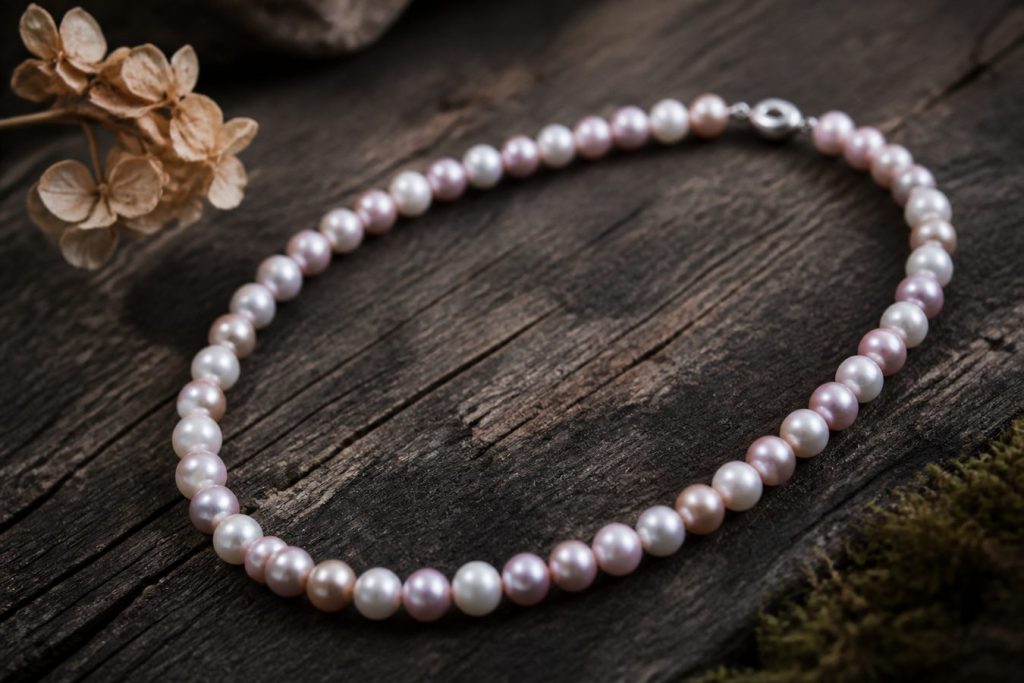
Shopping for high quality necklaces comes down to four things you can actually verify: the metal, the stone, the chain construction, and the clasp. At SilverRush Style, we’ve been making sterling silver jewelry with real natural stones since 2005, and these are the checks we run on every piece before it ships.
The guidance below applies whether you’re buying from us, a department store, or a boutique. Use it as a checklist, not a sales pitch.
How to Verify the Metal
Sterling silver is an alloy of 92.5% silver and 7.5% copper (or another metal, usually zinc). That ratio is why you’ll see it stamped 925, .925, or Ster on the clasp tag, bail, or chain end. No stamp, no proof.
Weight matters too. A solid sterling 18-inch cable chain in 1.5 mm gauge weighs roughly 3 to 4 grams; a hollow or plated imitation of the same dimensions often weighs under 2. If a necklace feels suspiciously light for its size, ask the seller for the gram weight in writing.
For gold alternatives, look for karat stamps (14K, 18K) rather than vague terms like “gold finish” or “gold tone,” which usually indicate plating measured in microns that wears off within a year or two of regular use.
Natural Stones vs. Imitations
A high quality necklace with a gemstone should name the stone, its origin, and its treatment. Vague labels like “blue stone” or “crystal” almost always mean glass or dyed material. Here are a few benchmarks worth memorizing.
Hardness and Durability
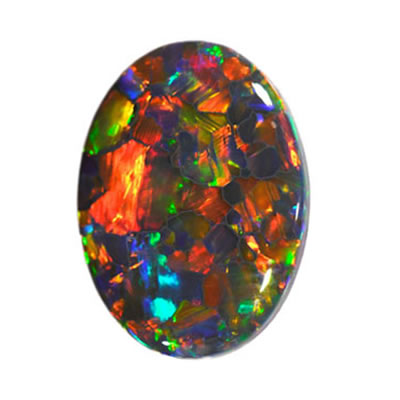
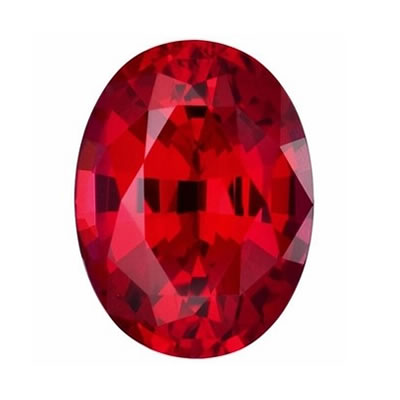
The Mohs scale runs from 1 (talc) to 10 (diamond) and predicts how a stone handles daily wear. Sapphire and ruby sit at 9, topaz at 8, amethyst and citrine at 7, and opal around 5.5 to 6.5. Anything under 5 (pearl, malachite, turquoise) needs gentler handling and should be set in a protected bezel rather than exposed prongs.
Origin and Composition
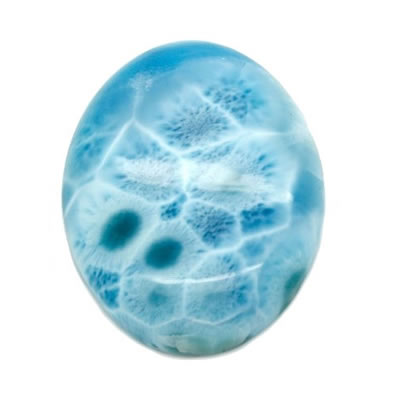
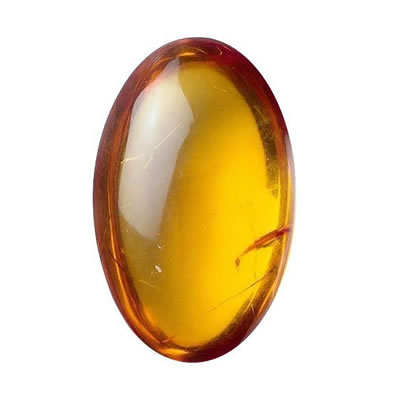
Larimar, a blue pectolite, comes from a single mountain in the Dominican Republic. Tanzanite is mined only near Mount Kilimanjaro in Tanzania. Baltic amber is fossilized conifer resin, roughly 30 to 50 million years old, from the Baltic Sea region. These geographic facts are checkable, and reputable sellers will state them on request.
Our sterling silver collection lists stone species, Mohs hardness, and origin on each product page, so you can cross-reference before buying.
Chain Construction and Clasps
The chain is where most necklaces fail first. Cable, rolo, and figaro chains are soldered link by link; snake and omega chains use interlocking segments. All three hold up well in sterling if the gauge is at least 1 mm for daily wear.
Avoid chains described as “wheat” or “box” under 0.8 mm for pendants heavier than 2 grams, since thin gauges kink at the bail. Inspect each link under a loupe or phone camera zoom: clean solder joints should be smooth and nearly invisible, not blobby or gapped.
Clasp Types Worth Paying For
A lobster clasp with an internal spring is the standard for necklaces 16 to 24 inches. For heavier pendants or chokers, a box clasp with a figure-eight safety catch adds a second point of failure protection. Spring rings under 5 mm tend to jam over time and are a weak point on otherwise good pieces.
Length, Fit, and Care
Standard necklace lengths follow a predictable range: 14-inch collar, 16-inch choker, 18-inch princess (sits at the collarbone on most adults), 20 to 24-inch matinee, and 28 to 36-inch opera. Pendant placement shifts with neckline, so match the length to what you wear most.
Sterling tarnishes through a reaction between silver and sulfur compounds in air, sweat, and some cosmetics. Store pieces in a zip bag with an anti-tarnish strip, keep them away from chlorine and sulfur hot springs, and polish with a dedicated silver cloth rather than paper towels, which contain abrasive wood fibers.
Stones need their own care. Opals and pearls dislike ultrasonic cleaners; turquoise absorbs oils and should be wiped dry after wear; amber scratches easily and belongs in a soft pouch. A quick look at the Mohs rating tells you most of what you need to know.
What to Ask Before You Buy
Four questions separate genuine high quality necklaces from marketing copy. First: what is the metal alloy and is it stamped? Second: what is the stone species, origin, and treatment? Third: what gauge is the chain and what clasp does it use? Fourth: what is the return and repair policy?
Any seller who answers all four without hedging is worth your time. If you’d like to see how we document these specs on our pieces, browse the SilverRush Style catalog and compare notes against whatever else you’re considering. Questions about a specific stone or chain are welcome by email.