
 Shop now, pay later
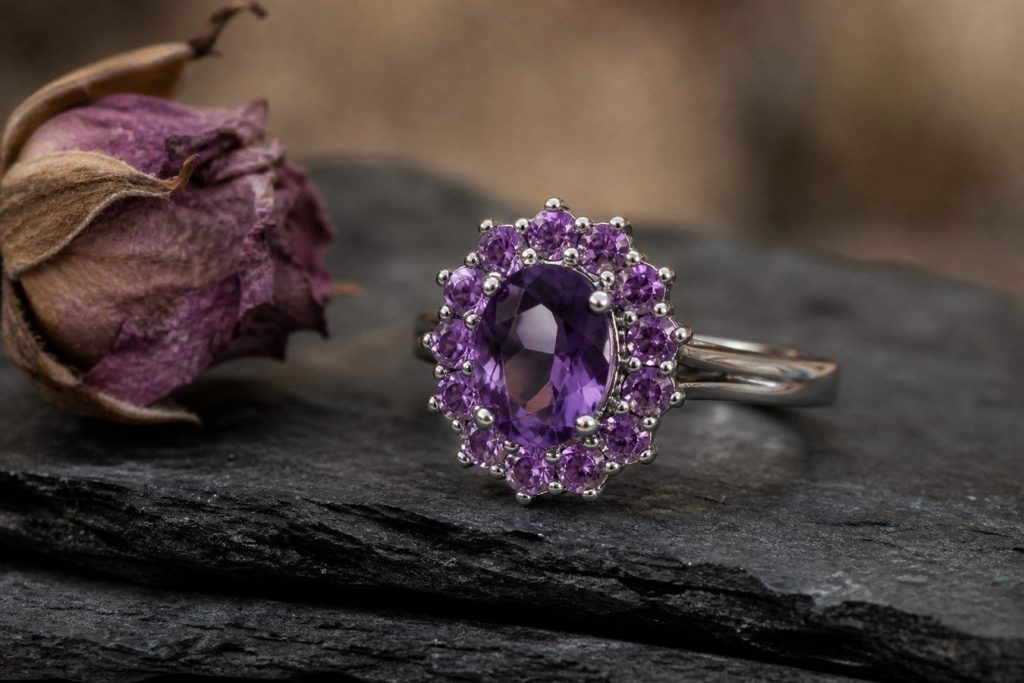
The green amethyst meaning centers on balance, calm, and heart-centered growth, which is why the stone has quietly built a following among collectors who want quartz with a softer presence. Its pale leek-green color sets it apart from the deep purple most shoppers picture when they hear the word amethyst. Before we get into symbolism, it helps to understand what this gem actually is.
What Green Amethyst Really Is
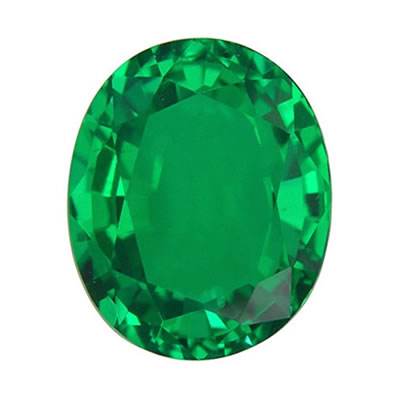
Green amethyst is the trade name for prasiolite, a green variety of quartz with the chemical formula SiO₂. It shares the quartz family rating of 7 on the Mohs hardness scale, which makes it durable enough for rings, pendants, and earrings worn every day. The name prasiolite comes from the Greek prason, meaning leek, a nod to its muted spring-green tone.
Most prasiolite on the market is produced by heat-treating purple amethyst or yellowish quartz from specific deposits, usually at 470–560°C. Natural, untreated prasiolite is rare and has been documented at the Thunder Bay Amethyst Mine in Ontario, Canada, and at deposits in Lower Silesia, Poland. Commercial material comes largely from Montezuma in Minas Gerais, Brazil, where the host amethyst responds well to heat.
Because trace iron shifts color under heat, the resulting green ranges from near-colorless mint to a saturated olive. Gemologists treat heat treatment as stable and standard, so a green amethyst ring will hold its color under normal wear and sunlight. If you already love amethyst jewelry, prasiolite offers a fresh color story from the same mineral species.
Green Amethyst Meaning and Symbolism
In crystal lore, green amethyst is associated with the heart chakra, while purple amethyst is tied to the crown. Writers on metaphysical topics describe it as a stone of compassion, emotional renewal, and quiet confidence. Judy Hall, in The Crystal Bible, groups prasiolite with stones that connect the physical heart with higher awareness.
Practitioners often reach for it during periods of change — a new job, a move, grief, or recovery — when the goal is steadiness rather than intensity. Some describe it as a bridge between the grounding energy of green stones like aventurine and the introspective quality of traditional amethyst. None of these properties are scientifically measurable, so treat them as tradition and personal practice rather than medical claims.
Symbolically, the pale green color is read as growth, balance, and prosperity in many cultures, echoing the way jade and peridot are interpreted. Gift-givers often choose prasiolite to mark a fresh start or a recovery milestone. It also works as an alternative birthstone nod for February babies who want amethyst in a less expected color.
How to Wear and Care for Prasiolite
Prasiolite looks best against metals that keep its soft color in focus, which is one reason it pairs so well with polished sterling silver jewelry. The cool white of .925 silver amplifies the mint and olive tones without competing with them. Rose gold warms the stone toward yellow-green, while yellow gold can mute it, so choose metal based on the color pull you want.
For cuts, oval, pear, and emerald shapes show off the clarity prasiolite is known for, since the material is usually eye-clean. Larger stones, 8 to 15 carats, remain affordable compared with equivalent sizes in tourmaline or tsavorite. That makes prasiolite a practical pick for statement cocktail rings and long drop earrings.
Care is straightforward. Clean with warm water, mild soap, and a soft brush, and avoid steam cleaners, ultrasonic machines, and sudden temperature shifts, since heat-treated color can fade under prolonged high heat above about 300°C. Store prasiolite pieces separately from harder stones like sapphire, topaz, and diamond to prevent surface scratches.
Quick Facts at a Glance
- Mineral: Quartz (SiO₂)
- Trade name: Green amethyst, prasiolite, vermarine
- Mohs hardness: 7
- Color range: Pale mint to olive green
- Main sources: Brazil (Montezuma), Canada (Thunder Bay), Poland (Lower Silesia)
- Common treatment: Controlled heat of amethyst or yellow quartz
How to Buy Green Amethyst Honestly
Because the name green amethyst is a marketing term, ask sellers whether a stone is prasiolite and whether it has been heat-treated. Reputable sellers disclose treatment without hesitation, since heating is accepted industry practice for this material. If a listing claims the stone is natural and untreated, expect documentation and a higher price point.
Watch for look-alikes. Green glass, green fluorite (Mohs 4), and dyed quartz can show up under the same name but behave very differently in daily wear. A simple hardness check, a reliable receipt, and clear country-of-origin information protect you from paying quartz prices for softer or synthetic material.
Color preference is personal, so view stones in both daylight and indoor light before deciding. Prasiolite can look almost colorless under warm bulbs and noticeably greener outdoors. If you want a piece that reads green across settings, choose a saturated stone with medium tone rather than the palest mint.
Green amethyst rewards buyers who want a quartz with a calmer voice than purple amethyst and a clearer story than most trade-named gems. Whether you are drawn to its heart-chakra symbolism or just its pale green color, it holds up to daily wear and ages well in a collection. Browse our sterling silver pieces when you are ready to see how the stone looks on the hand.