
 Shop now, pay later
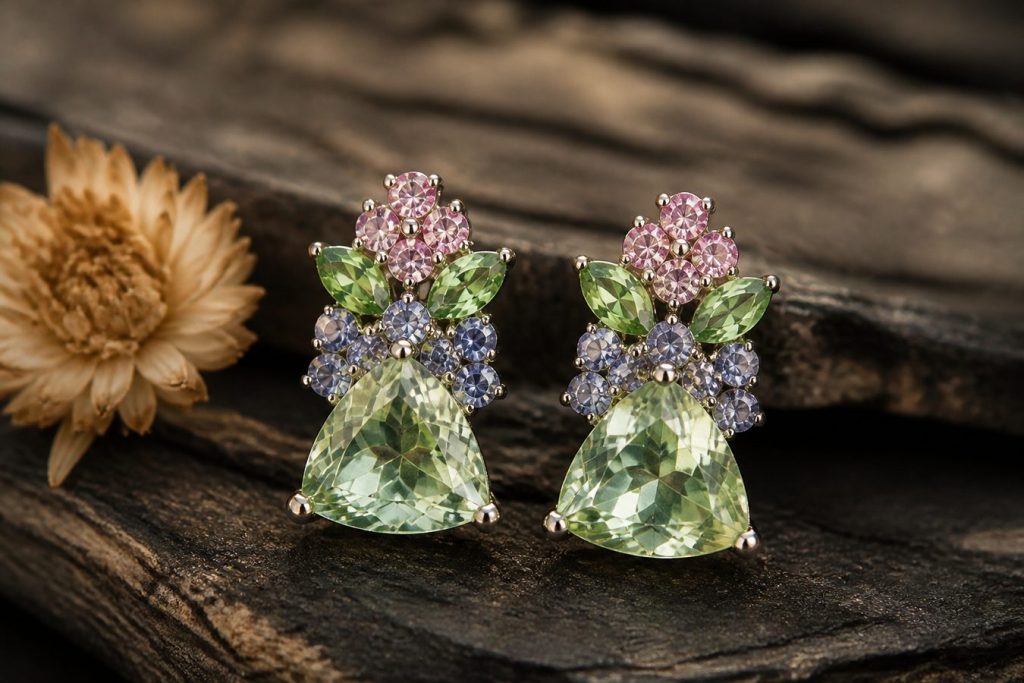
Finding the best jewelers for conflict-free birthstone earrings takes more than scrolling a product grid. You want a shop that names its stone sources, documents its metal, and answers questions without hedging. This guide walks through what separates a credible seller from a vague one, and what to check before you add a pair to your cart.
At SilverRush Style, we have sold sterling silver jewelry set with natural stones since 2005. The notes below reflect what we look for in our own supply chain, and what you should ask any jeweler selling birthstone studs, drops, or hoops.
What “Conflict-Free” Actually Means for Birthstones
The Kimberley Process, launched in 2003, regulates rough diamonds to block trade that funds armed conflict. It does not cover colored stones like sapphire, emerald, ruby, or opal, which make up most birthstone jewelry. That gap is why colored-stone sourcing relies on jeweler disclosure rather than a single certificate.
Credible sellers name the country of origin and, when possible, the mine or cutting house. Reputable sources include Montana for sapphire, Australia for opal (about 95% of global supply per Geoscience Australia), and Sri Lanka for blue sapphire and garnet. Ask for this information in writing before you buy.
Questions to Ask Before Checkout
Ask where the stone was mined, who cut it, and whether the metal is recycled or newly refined. A jeweler who cannot answer any of the three is guessing. A jeweler who answers two of three honestly is usually worth trusting.
Matching the Stone to the Month, and the Ear
Birthstone earrings sit close to skin for long hours, so hardness and setting style matter. Garnet (January) rates 6.5 to 7.5 on the Mohs scale, amethyst (February) sits at 7, and aquamarine (March) at 7.5 to 8. Harder stones tolerate daily wear in open settings; softer stones do better in bezels.
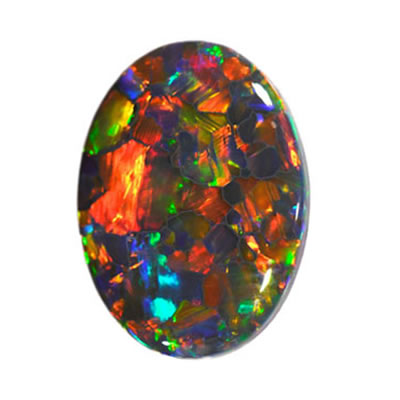
Opal (October) is 5.5 to 6.5 and contains 3 to 21 percent water by weight, which is why it can craze in dry air or hot cars. Pearl (June) is 2.5 to 4.5 and reacts to perfume and hairspray. For both, choose protective settings and remove before showering.
Peridot, August’s stone, is magnesium iron silicate (Mg,Fe)2SiO4 and rates 6.5 to 7. It scratches more easily than sapphire or topaz, so stud posts with low-profile bezels hold up better than prong settings on commuters and gym-goers.
Metal Choices for Sensitive Ears
Sterling silver is 92.5 percent silver and 7.5 percent other metals, usually copper. Reactions to silver earrings almost always trace to nickel in the alloy or in the ear post, not to silver itself. Shops selling nickel-free sterling, or posts in titanium or niobium, give sensitive wearers a safer option.
Our own sterling silver earrings use .925 alloy with no added nickel, and we list stone origins on product pages when the supplier confirms them. For gold-tone looks without the price, vermeil (sterling base, 2.5 micron gold minimum per FTC rules) wears longer than standard plating.
Red Flags on Product Pages
Watch for vague terms like “gemstone” with no species named, “silver-tone” instead of sterling or .925, and stock photos reused across unrelated listings. Missing weight in grams, missing stone dimensions in millimeters, and no return window on pierced earrings all point to a thin operation.
How to Compare Jewelers Before You Buy
Start with disclosure. A trustworthy shop lists metal purity, stone species, treatment (heat, oil, irradiation), approximate carat weight, and country of origin where known. The GIA and AGTA both publish treatment disclosure standards that serious sellers follow.
Next, check the return policy on pierced jewelry. US law does not require returns on worn earrings for hygiene reasons, but reputable shops accept unworn studs within 14 to 30 days. A no-returns policy on a $200 pair is a signal to walk.
Finally, read the reviews that mention problems, not just praise. Look for how the shop responded to a lost stone, a bent post, or a delayed order. A seller with a few honest fixes often beats a seller with only five-star reviews and no detail.
Price Ranges That Make Sense
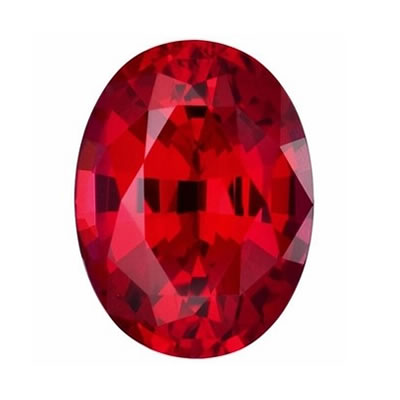
For sterling silver studs with a 5mm to 7mm natural stone, expect $25 to $90 depending on species. Sapphire, emerald, and ruby run higher; amethyst, garnet, and citrine run lower. Prices far below these ranges usually mean synthetic stones, glass, or plated base metal sold as silver.
Where SilverRush Style Fits
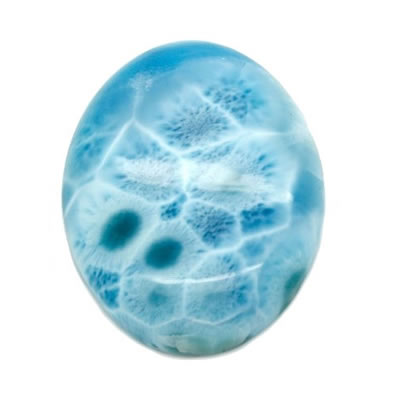
We have focused on natural-stone sterling silver since 2005, with earrings in amethyst, garnet, opal, turquoise, labradorite, and more. Our catalog lists stone species, approximate size, and metal purity on each page, and our team answers sourcing questions by email.
If you want a second opinion before buying birthstone earrings for yourself or a gift, send us the month and a budget. We will suggest two or three pairs that match the recipient’s style and tell you what we know about each stone.