
 Shop now, pay later
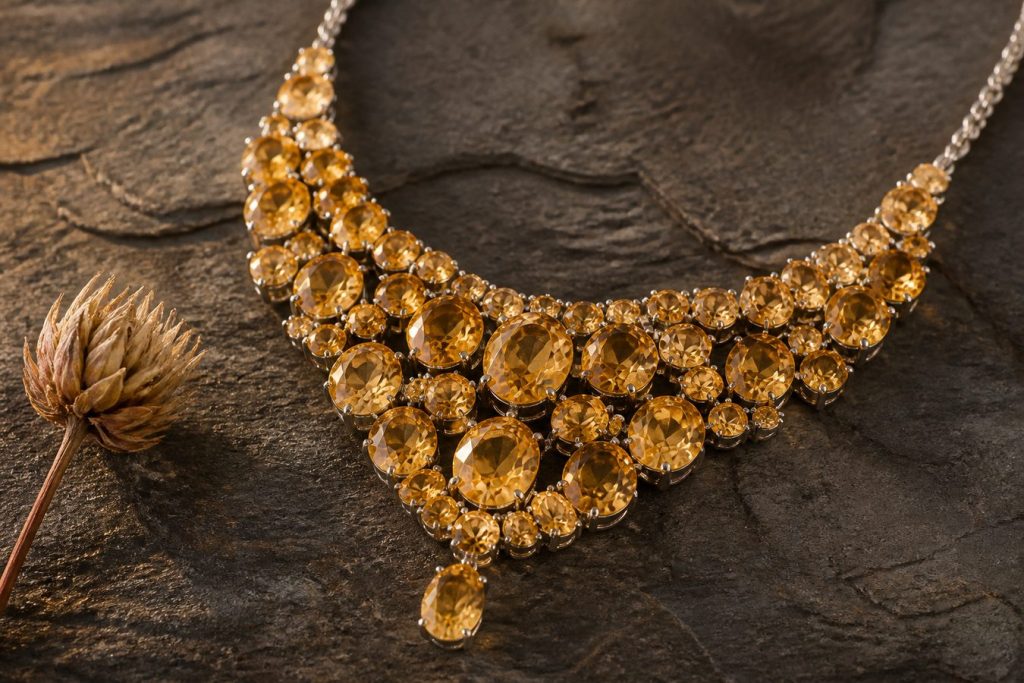
The November birthstone is actually two stones: citrine and topaz. Both carry warm golden tones that match late-autumn light, and both have been recognized by the American Gem Trade Association as official November gems for decades. If you’re shopping for a birthday gift this month, knowing the difference between them helps you pick the right piece.
Below, we break down what each stone is made of, where it comes from, how durable it is, and how it looks set in sterling silver. Our goal is to give you the facts you need before you buy.
Citrine: The Golden Quartz
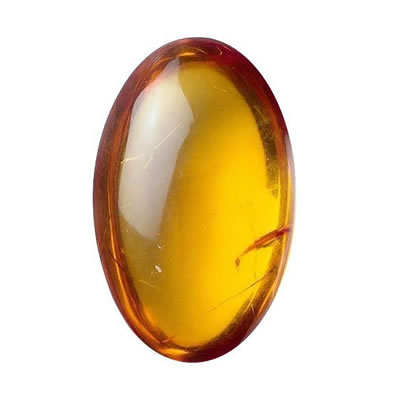
Citrine is a variety of quartz with the chemical formula SiO₂, colored by trace amounts of iron. Its shades run from pale lemon to deep madeira brown, with the warm honey tones being the most sought after. The name comes from the French word citron, meaning lemon.
On the Mohs scale, citrine measures 7, which makes it durable enough for everyday rings, pendants, and earrings. Natural citrine is rare; most commercial citrine on the market is heat-treated amethyst or smoky quartz from Brazil, a practice that has been standard since the 18th century. Other sources include Madagascar, Russia, and Bolivia, where the Anahí mine produces the bicolor ametrine variety.
Citrine has long been associated with prosperity and positive energy, earning it the nickname “the merchant’s stone.” Set in sterling silver jewelry, its golden warmth creates a strong contrast against the cool white metal, which is why it remains a favorite for cocktail rings and statement pendants.
Topaz: More Than Just Blue
Topaz is an aluminum silicate fluoride hydroxide with the formula Al₂SiO₄(F,OH)₂. It occurs in a wide range of colors, including colorless, blue, yellow, pink, and the prized Imperial topaz, which shows reddish-orange to pink hues. Yellow and blue topaz are the two most commonly tied to November.
Topaz ranks 8 on the Mohs scale, slightly harder than citrine, though it has perfect cleavage, meaning it can split along a flat plane if struck sharply. Major deposits are found in Minas Gerais, Brazil, as well as Pakistan, Russia, Nigeria, and Utah in the US. Most blue topaz sold today starts as colorless material and is irradiated, then heat-treated to produce the Sky, Swiss, and London Blue shades you see in stores.
Choosing Between Yellow and Blue Topaz
Yellow topaz keeps the traditional November color story alive, sitting close to citrine in tone but with more fire and a slightly cooler cast. Blue topaz offers an alternative for anyone who prefers cool colors, and it pairs cleanly with silver settings. Both are widely available and generally priced well below sapphire or emerald of similar size.
How to Wear Your November Birthstone
Citrine’s golden glow works well with warm skin tones and pairs naturally with autumn wardrobes in rust, olive, and cream. A simple oval citrine pendant on a sterling silver chain is an easy starting point for a November birthday gift under a modest budget. For something more substantial, look at faceted cushion-cut rings in the 2 to 5 carat range, where the color really shows.
Blue topaz is the more versatile pick for daily wear, since its cool tone reads as neutral against most clothing. London Blue, the darkest of the three common shades, has an inky depth that works year-round. Sky Blue is lighter and more playful, and Swiss Blue sits between the two with a bright, saturated finish.
If you want to honor both November stones in one gift, stackable rings or a mixed-stone bracelet let you combine citrine and topaz without competing. You can browse our full collection of sterling silver jewelry to see current options in both stones.
Care and Cleaning Tips
Both stones can be cleaned with warm water, mild dish soap, and a soft brush. Avoid ultrasonic and steam cleaners for topaz because of its cleavage, and keep citrine away from prolonged direct sunlight, which can fade its color over time. Store each piece in a separate pouch to prevent harder gems from scratching softer ones.
Sterling silver settings benefit from an occasional polish with a silver cloth to remove tarnish. If you wear your piece daily, a quick wipe after taking it off keeps oils and lotions from building up around the prongs and bezel. With basic care, both citrine and topaz hold up well for decades.
A Note on Authenticity
Synthetic citrine and glass imitations do exist, so buy from sellers who disclose treatments and origin. At SilverRush Style, every stone we list is natural, with heat or irradiation treatments noted where they apply. We’ve been sourcing real natural-stone jewelry since 2005, and we stand behind what we sell.
If you’re ready to find a November birthstone piece for yourself or someone born this month, take a look at our citrine and topaz selections. Questions about a specific stone, cut, or setting are always welcome through our contact page.