
 Shop now, pay later
The 925 silver meaning comes down to purity: a piece marked 925 contains 92.5% pure silver and 7.5% other metals, most often copper. That ratio is the legal sterling standard in the United States, the United Kingdom, and most global markets. At SilverRush Style, we’ve been selling sterling silver jewelry set with natural stones since 2005, and this guide covers what that stamp actually promises.
What 925 Means on Silver
Pure silver, also called fine silver, is 99.9% Ag and carries a 999 hallmark. It is too soft for daily-wear rings, clasps, or prong settings, with a Mohs hardness of about 2.5 to 3. Alloying fine silver with copper raises hardness and tensile strength while keeping the bright white color buyers expect.
The resulting alloy — 92.5% silver plus 7.5% copper or zinc — is what the trade calls sterling. A 925 stamp, sometimes written as .925 or “ster,” is the manufacturer’s declaration that the metal meets this standard. Anything below 92.5% silver content cannot legally be sold as sterling in the US under FTC guidelines.
You may also see 800 or 835 silver on European antiques, and 958 Britannia silver on specialty pieces. These are separate alloys with different silver percentages and different working properties.
Why Sterling Became the Jewelry Standard
Sterling hits a practical balance. The 7.5% copper adds enough hardness for settings that hold gemstones without bending, while the high silver content keeps the metal bright, white, and hypoallergenic for most wearers. Nickel, a common allergen, is not part of standard sterling.
Copper is also the reason sterling tarnishes. When copper reacts with sulfur compounds in air, lotions, or rubber bands, it forms a dark surface layer of silver sulfide. Tarnish is cosmetic, not corrosion, and it polishes off without removing metal from the piece.
Some modern alloys, such as Argentium, replace part of the copper with germanium to slow tarnishing. These still qualify as sterling when silver content is 92.5% or higher, and they are usually hallmarked accordingly.
How to Verify a 925 Stamp
Start with the hallmark. Genuine sterling is stamped 925, .925, S925, or STERLING, usually on the inside of a ring band, the back of a pendant bail, or the clasp of a chain. A missing stamp does not automatically mean fake, since very small pieces sometimes skip hallmarking, but reputable sellers disclose this.
A magnet test helps rule out plated base metals. Silver is not magnetic, so any strong pull toward a neodymium magnet points to a steel or iron core under a thin silver layer. An ice test works too: silver conducts heat faster than almost any common metal, so an ice cube placed on sterling melts noticeably quicker than on costume pieces.
For stone-set jewelry, ask about the setting metal specifically. A sterling bezel around a turquoise cabochon (Mohs 5 to 6) or a lapis lazuli inlay (Mohs 5 to 5.5) should carry the same 925 mark as the band itself.
Common Hallmarks You’ll See
925 or .925 — standard sterling, 92.5% silver. 999 — fine silver, used in bullion and some bezel wire. 800 / 835 — older European coin and flatware silver. Silver-plated or EPNS — a thin silver layer over base metal, not sterling at all.
Caring for 925 Silver Jewelry
Store each piece in an anti-tarnish bag or a lined box with a silica packet. Contact with open air, wool, and latex speeds tarnish, while sealed storage slows it to a crawl. Keep pieces separated so harder stones like topaz (Mohs 8) or garnet (Mohs 6.5 to 7.5) don’t scratch softer settings.
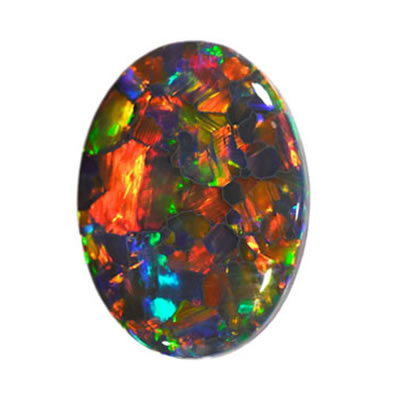
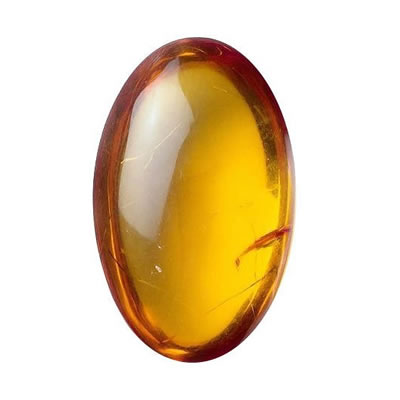
Clean sterling with a soft polishing cloth made for silver, working in straight lines rather than circles. For heavier tarnish on plain metal, a mild bath of warm water and phosphate-free dish soap lifts residue without attacking the alloy. Skip ultrasonic cleaners on pieces set with turquoise, opal (Mohs 5.5 to 6.5), amber, or pearl, since vibration and heat can crack these organic and porous materials.
Remove rings before swimming, gardening, or applying sunscreen and perfume. Chlorine pits silver over time, and sulfur-rich products accelerate tarnish on both the metal and nearby stones. Our full catalog of sterling silver jewelry includes care notes specific to each gemstone we set, from Arizona turquoise to Baltic amber.
Is 925 Silver Worth Buying?
For everyday jewelry that holds gemstones securely and keeps its color with basic care, sterling is the working standard. It costs a fraction of gold, carries real precious-metal value, and can be polished or re-tipped by any bench jeweler for decades. A well-made 925 ring with a natural stone, stored and cleaned properly, outlasts most wardrobes.
When you shop sterling, check for the 925 hallmark, ask where the stones are sourced, and confirm the seller stands behind the metal content in writing. If you’d like to see how we hallmark and set our pieces, browse our sterling silver collection or reach out with questions about a specific stone.