
 Shop now, pay later
Knowing how to tell if a gemstone is real protects your investment and ensures the jewelry you wear contains what the seller claims. Whether you inherited a ring, found a deal at a flea market, or want to verify a recent purchase, these identification methods will help you separate authentic minerals from glass, plastic, and synthetic imitations.
The Temperature Test: Your First Line of Defense
Natural gemstones conduct heat at different rates than glass and plastic imitations. Touch the stone to your inner wrist or lower lip, where skin sensitivity is highest. Genuine crystalline minerals feel cool against your skin because they absorb heat from your body.
Glass and plastic imitations warm up within seconds and reach skin temperature faster than natural stones. Real quartz varieties, including amethyst and citrine, maintain their cool sensation longer due to their silicon dioxide crystal structure. This test works well for initial screening but should not serve as your only verification method.
Repeat the test after letting the stone rest away from your body for several minutes. A genuine gemstone will return to feeling cool, while imitations stay closer to ambient temperature.
Visual Inspection Under Magnification
Hold your stone under a bright light source and examine it through a 10x jeweler’s loupe. Natural gemstones contain inclusions—tiny imperfections formed during millions of years of geological processes. These might appear as small crystals, gas bubbles, needle-like structures, or color zones within the stone.
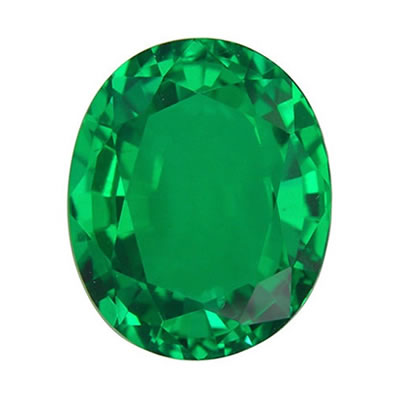
A stone that appears flawless under magnification raises suspicion rather than confirming quality. Lab-created gems and glass imitations often lack the characteristic inclusions found in earth-mined specimens. For example, natural emeralds contain what gemologists call “jardin” (French for garden)—a network of inclusions that creates a mossy appearance. Colombian emeralds show three-phase inclusions containing solid, liquid, and gas, while Zambian emeralds display different inclusion patterns.
Color distribution provides another visual clue. Authentic gemstones display color that spreads through the stone in natural patterns, sometimes with slight variations or zones. Synthetic stones often show color concentrated in layers or distributed with unnatural uniformity. When shopping for sterling silver jewelry set with natural stones, ask about the origin of the gems and request photos showing natural characteristics.
Weight and Hardness Comparisons
Specific gravity—the ratio of a stone’s density compared to water—varies by gem type and provides a reliable identification metric. Real gemstones weigh more than glass imitations of the same size. Hold a known genuine stone in one hand and the suspect specimen in the other; significant weight differences indicate a potential fake.
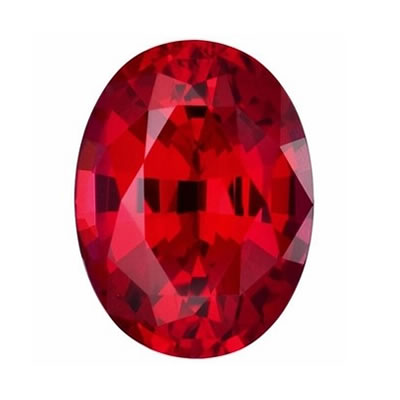
The Mohs hardness scale, developed by mineralogist Friedrich Mohs in 1812, ranks minerals from 1 (talc) to 10 (diamond) based on scratch resistance. Sapphires and rubies (both corundum) rank at 9, topaz at 8, and quartz at 7. Glass rates around 5.5, meaning a genuine amethyst (quartz family, hardness 7) will scratch glass while remaining unscratched by it.
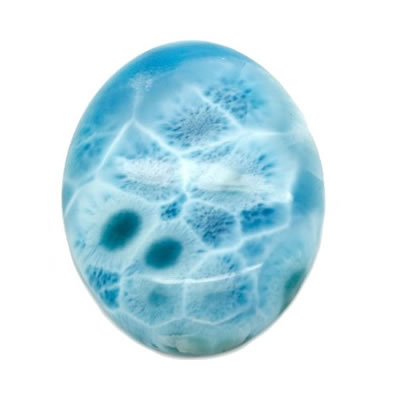
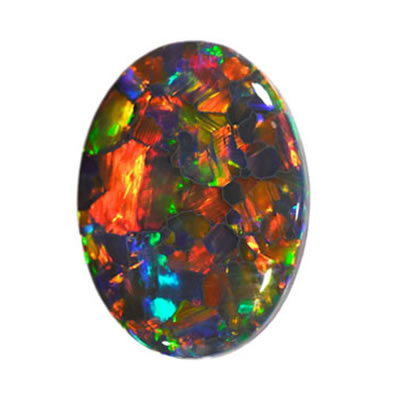
Perform scratch tests on inconspicuous areas and only when you own the stone. This destructive test confirms hardness but may damage specimens. Turquoise ranks at 5-6 on the Mohs scale, lapis lazuli at 5-5.5, and opal at 5.5-6.5. These softer stones require more careful handling during testing and in finished sterling silver jewelry pieces.
Documentation and Professional Verification
Provenance matters when determining gemstone authenticity. Records showing where a stone was mined, who cut it, and its chain of ownership add credibility to authenticity claims. Major gemstone sources include Colombia and Zambia for emeralds, Sri Lanka and Kashmir for sapphires, Myanmar and Mozambique for rubies, and Arizona and Iran for turquoise.
Gemological laboratories issue certification reports that document a stone’s characteristics, treatments, and natural origin. The Gemological Institute of America (GIA), American Gem Society (AGS), and International Gemological Institute (IGI) employ spectroscopic analysis, refractive index measurements, and other scientific methods beyond home testing capabilities.
Common treatments affect value and should appear on any certification. Heat treatment improves color in many sapphires and rubies. Oiling reduces the visibility of inclusions in emeralds. Stabilization with resin or wax makes porous stones like turquoise more durable. These treatments are industry-standard and do not make a stone “fake,” but sellers must disclose them.
When purchasing natural-stone sterling silver jewelry, choose vendors who provide clear information about their gems. At SilverRush Style, we have sourced and sold real natural-stone jewelry since 2005 and stand behind the authenticity of every piece in our collection.
Frequently Asked Questions
Can I use a UV light to test gemstone authenticity?
UV light reveals fluorescence in some genuine gemstones, but results vary too much for reliable identification. Natural rubies may fluoresce red under long-wave UV light, while some diamonds glow blue. However, certain synthetics and treatments produce similar reactions. UV testing works best as a supplementary method combined with other verification techniques.
Do real gemstones always have visible inclusions?
Most natural gemstones contain inclusions, though some high-quality specimens appear “eye-clean” to the naked eye and require magnification to reveal internal features. Aquamarine, topaz, and citrine often form with fewer visible inclusions than emeralds or rubies. A stone appearing flawless even under 10x magnification warrants professional evaluation.
What is the difference between synthetic and imitation gemstones?
Synthetic gemstones share the same chemical composition as their natural counterparts but form in laboratories rather than in the earth. Lab-created sapphires are real aluminum oxide (Al₂O₃) like mined sapphires. Imitation stones mimic appearance only—glass or plastic made to look like sapphire has a different chemical structure and physical properties.
Should I buy gemstones without certification?
Certification becomes more important as stone value increases. High-value purchases of rubies, emeralds, and sapphires benefit from laboratory reports. For moderately priced natural stones in jewelry, a reputable seller with clear return policies and verifiable business history provides reasonable confidence. Established vendors with long track records stake their reputation on product authenticity.