
 Shop now, pay later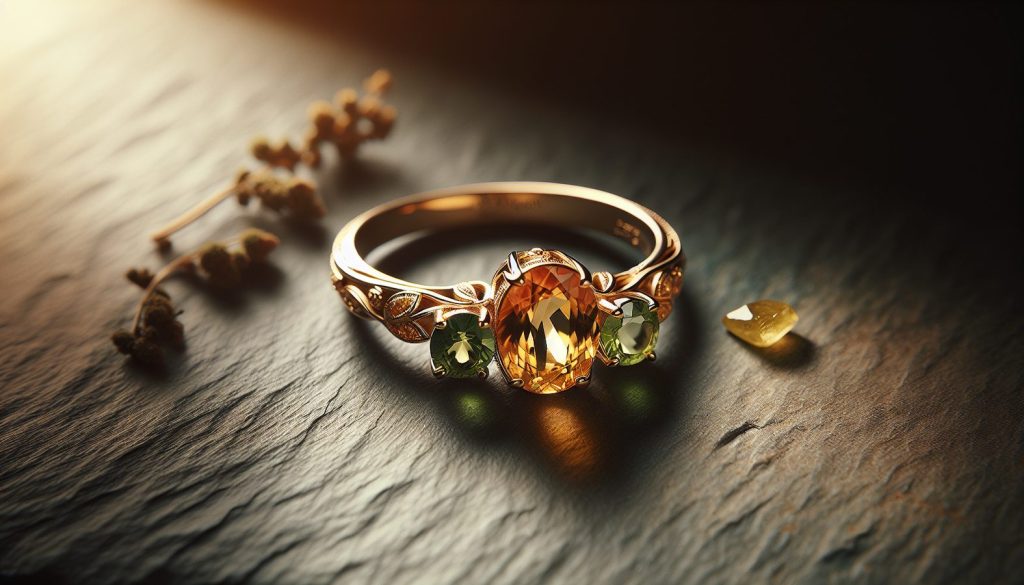
The citrine meaning centers on warmth, abundance, and mental clarity, drawn from the stone’s sun-yellow color and long history in adornment. Citrine is a transparent yellow variety of quartz (SiO₂), and its name comes from the Latin citrus, by way of the French citrin. Its color ranges from pale lemon to deep amber, depending on trace iron content and heat exposure.
At SilverRush Style, we’ve worked with natural quartz since 2005, so this guide sticks to verifiable facts about the stone before touching on its symbolism. You’ll find the geology, the folklore, and practical notes on wearing it without the marketing fog.
What Citrine Means and Where the Symbolism Comes From
Citrine has been associated with prosperity, optimism, and personal will for centuries, which is why it’s sometimes nicknamed the “merchant’s stone.” Folk tradition held that keeping a piece in a cash box or shop drawer encouraged steady trade. The link to wealth is cultural rather than scientific, but it’s old enough to shape how the stone is sold and gifted today.
The yellow color also tied citrine to the sun in Greek and Roman use, where it was carved into intaglios and worn as a charm against “evil thoughts.” Roman jewelers of the 1st century CE set citrine into rings and pendants alongside garnet and carnelian. That solar association still drives modern descriptions of citrine as a stone of confidence and creative drive.
In contemporary crystal practice, citrine is paired with the solar plexus chakra and used as a focus object for goal-setting. Whether you read those claims as metaphor or belief, the stone’s clear yellow hue makes it a steady visual anchor. That’s part of why citrine jewelry remains popular as a daily wear piece rather than an occasion-only item.
The Geology and Origin of Natural Citrine
Citrine is quartz colored by trace amounts of iron, with a Mohs hardness of 7 and a specific gravity around 2.65. It forms in igneous and metamorphic environments where silica-rich fluids crystallize in cavities, often alongside amethyst and smoky quartz. The yellow tone develops when iron impurities are subjected to natural heat during formation.
Brazil is the largest commercial source, with major deposits in Rio Grande do Sul and Bahia. Other notable origins include Madagascar, the Ural Mountains in Russia, Spain’s province of Salamanca, and parts of Scotland, where citrine has been used in traditional Cairngorm jewelry since the 18th century. Each locality produces slightly different color profiles, from pale straw to reddish madeira.
Most citrine on the market today is heat-treated amethyst or smoky quartz, since untreated natural citrine is genuinely scarce. Heat treatment is stable, permanent, and accepted across the trade, but it should be disclosed. Untreated citrine tends toward softer, smokier yellows, while heated material often shows warmer orange tones.
How to Tell Quality
Look for even color saturation, good transparency, and minimal visible inclusions when judging a cut stone. Deeper golden and madeira shades typically command higher prices than pale lemon material. Cut quality matters too: a well-faceted citrine returns light evenly across the table without dark windowing in the center.
Wearing Citrine: Practical Notes
Citrine is the modern birthstone for November, sharing the month with topaz, and it’s also recognized as a 13th wedding anniversary gift. Its hardness of 7 makes it suitable for rings, earrings, pendants, and bracelets, though rings see the most wear and benefit from protective settings. Pair it with sterling silver to cool down the warm body color, or with yellow gold to amplify it.
For everyday care, clean citrine with warm water, mild soap, and a soft brush. Avoid prolonged sunlight exposure, since some heat-treated material can fade over years of direct UV. Skip ultrasonic and steam cleaners if the stone has visible inclusions or fractures.
If you’re building a stack, citrine sits well next to amethyst (its chemical cousin), garnet, and peridot, all of which work in sterling silver jewelry settings. The yellow body color also balances dark stones like onyx and hematite without clashing. For warm skin tones, deeper madeira shades read richer; cooler skin tones often suit lemon and pale gold cuts.
Common Questions About Citrine
Is citrine the same as yellow topaz?
No. Citrine is quartz (SiO₂) with a hardness of 7, while topaz is an aluminum silicate fluoride hydroxide with a hardness of 8. They look similar in yellow, but topaz is denser, harder, and typically more expensive.
Is most citrine heated?
Yes. The majority of commercial citrine is heat-treated amethyst from Brazil, processed at temperatures between 470°C and 560°C. The treatment is stable and standard in the trade, but reputable sellers disclose it.
What does citrine symbolize today?
Citrine is most often associated with abundance, optimism, mental clarity, and creative confidence. These meanings draw from Greco-Roman solar symbolism, medieval European folklore, and modern crystal practice rather than any single tradition.
Can I wear citrine every day?
Yes, with reasonable care. A hardness of 7 holds up to daily wear in earrings, pendants, and bracelets, while ring settings benefit from bezels or low-profile prongs that shield the girdle from knocks.
If you’re choosing your first piece, a pendant or bracelet is a low-risk way to test how the color reads against your wardrobe before committing to a ring or larger statement piece. Browse our citrine collection when you’re ready to find one that suits your color preference and budget.