

 Shop now, pay later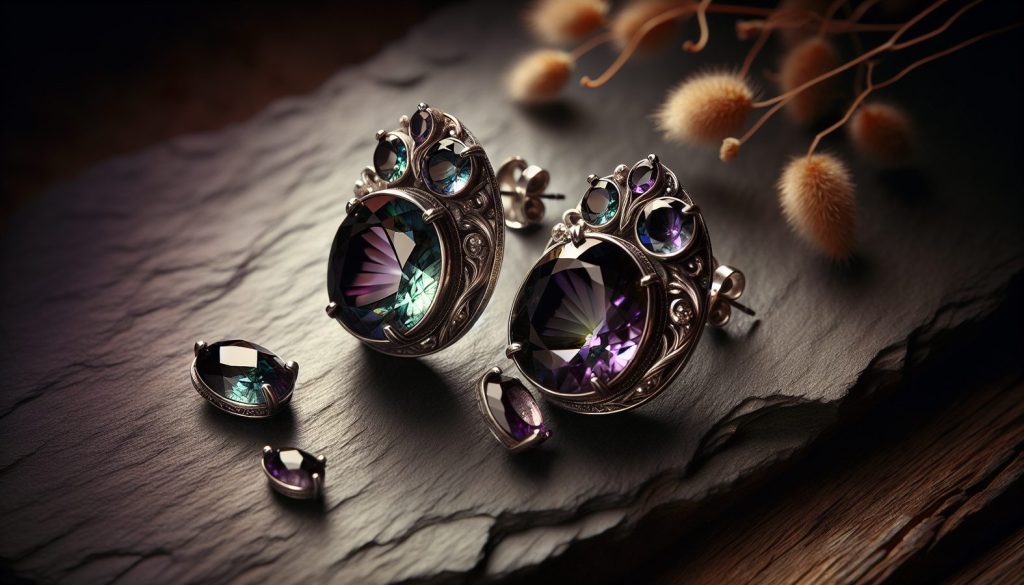
Mystic topaz is a natural white topaz that has been treated with a thin titanium oxide coating to produce its signature rainbow color effect. First introduced to the jewelry market in 1998, this stone gained rapid popularity for its multi-colored flash that shifts between purple, green, blue, and gold depending on the viewing angle. The base stone remains genuine topaz, mined from locations including Brazil, Sri Lanka, Nigeria, and Mexico.
What Is Mystic Topaz?
The stone starts as colorless or white topaz, a silicate mineral with the chemical formula Al₂SiO₄(F,OH)₂. Manufacturers apply a microscopically thin layer of titanium oxide to the pavilion (bottom) of a faceted stone using a process called physical vapor deposition (PVD) or chemical vapor deposition (CVD). This coating refracts light into multiple wavelengths, creating the rainbow effect that gives mystic topaz its other common name: mystic fire topaz.
The treatment is permanent under normal wearing conditions but requires specific care. Unlike heat treatments that alter a stone throughout, the titanium coating exists only on the surface. This means the stone can be scratched or damaged by abrasive cleaners, ultrasonic machines, or sharp impacts.
Fire topaz and mystic topaz refer to the same stone. Some retailers use “rainbow topaz” or “Alaska topaz” as alternative names. All describe white topaz with titanium oxide coating. The Federal Trade Commission requires disclosure of this treatment at point of sale, so reputable sellers will always note that mystic topaz is coated or treated.
Physical Properties and Hardness
Mystic topaz inherits its durability from its natural topaz base. It rates 8 on the Mohs hardness scale, making it harder than quartz (7) and softer than sapphire (9). This hardness makes it suitable for rings, pendants, earrings, and bracelets worn on a regular basis.
The stone has a specific gravity of 3.49 to 3.57 and a refractive index of 1.619 to 1.627. These measurements match standard colorless topaz because the coating does not alter the optical properties of the base material. Topaz also exhibits perfect basal cleavage, meaning it can split along a flat plane if struck at the correct angle with enough force.
Standard faceted cuts work well for mystic topaz because they maximize light interaction with the coated pavilion. Oval, round, pear, and cushion cuts are common. The coating appears most intense in stones with deeper pavilions where light bounces multiple times before exiting through the crown. When shopping for mystic topaz jewelry, look for well-proportioned cuts that display strong color play across the entire face of the stone.
Mystic Topaz Meaning and Symbolism
In contemporary crystal practices, mystic topaz carries associations with transformation and creative energy. Practitioners connect the rainbow coloration to the full spectrum of human emotion and experience. Some assign it to the crown chakra due to its multi-colored nature, while others associate it with the solar plexus chakra, following traditional yellow topaz correspondences.
The stone has no ancient historical symbolism because it was invented in the late 20th century. Historical references to topaz in texts like the Old Testament or classical Greek writings refer to other stones entirely, likely peridot or chrysolite. Modern meanings attached to mystic topaz draw from general topaz lore combined with color symbolism.
Those who work with crystals often use mystic topaz for meditation focused on self-expression and clarity of intention. The shifting colors are said to represent adaptability and the ability to see situations from multiple perspectives. Whether you approach the stone from a metaphysical framework or appreciate it for its optical properties, the rainbow flash makes it a conversation piece in any jewelry collection.
Care and Cleaning Guidelines
The titanium oxide coating requires gentler care than solid gemstones. Clean mystic topaz with warm water, mild dish soap, and a soft cloth or brush. Avoid ultrasonic cleaners and steam cleaners, which can damage or strip the coating. Chemical cleaners, including jewelry dips containing ammonia or acids, may also compromise the surface treatment.
Store mystic topaz pieces separate from harder stones like diamonds, sapphires, or rubies. These can scratch the coating during storage. A fabric-lined jewelry box with individual compartments works well. Remove mystic topaz rings before gardening, cleaning with chemicals, or activities that involve abrasive materials.
With proper care, the coating remains stable for years of wear. If you notice the rainbow effect fading or developing scratches, some jewelers offer recoating services, though replacing the stone is often more cost-effective for standard sizes. The base topaz itself will not degrade, so damage is always limited to the surface treatment.
At SilverRush Style, we have offered sterling silver jewelry featuring natural gemstones since 2005. Our mystic topaz pieces pair this rainbow-flash stone with quality .925 silver settings. Browse our collection to find rings, pendants, and earrings that showcase the full color spectrum of this modern gemstone.