
 Shop now, pay later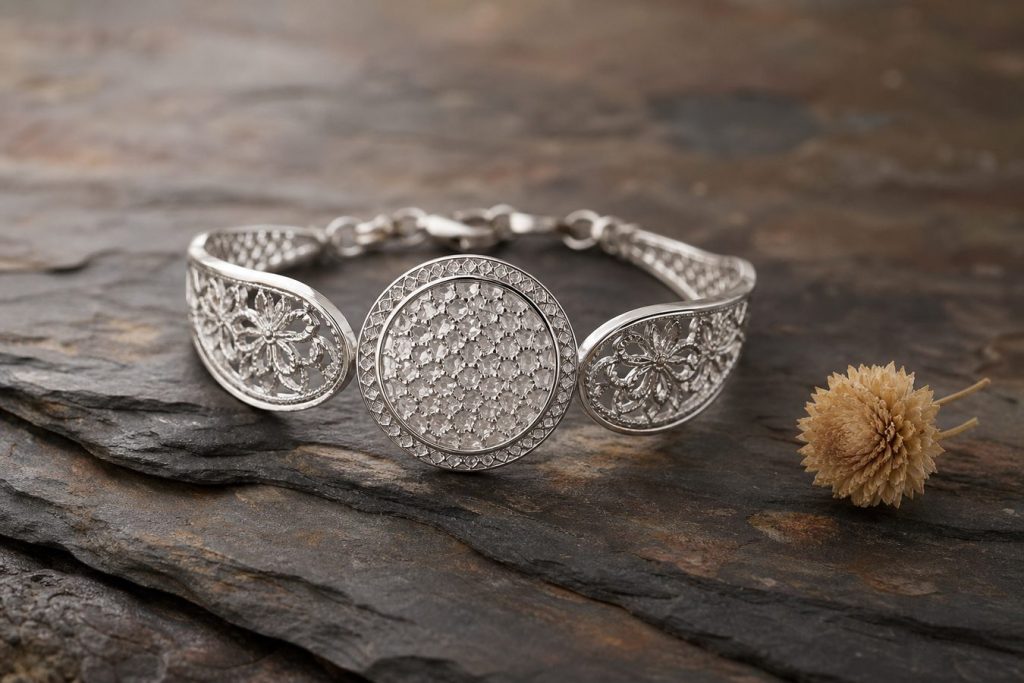
The charm bracelet meaning sits somewhere between memoir and amulet: a chain that carries small ornaments standing in for people, places, beliefs, and milestones. Each charm is chosen, not assigned, which is why two bracelets are rarely alike. That personal curation is what separates a charm bracelet from any other piece in a jewelry box.
At SilverRush Style, we’ve been making sterling silver jewelry with natural stones since 2005, and charm bracelets remain one of the most requested categories. Buyers tend to ask the same questions: what do the symbols mean, what stones belong on the chain, and how did the tradition start. This guide answers all three.
A Short History of the Charm Bracelet
Charms predate the bracelet by thousands of years. Archaeologists have recovered amulets from Egyptian tombs dating to roughly 1500 BCE, where small carved figures were worn to identify the wearer to the gods in the afterlife. Assyrian, Babylonian, and Persian cultures wore similar protective tokens on cords and belts.
The modern wrist version took shape in the Victorian era. Queen Victoria popularized small lockets and glass beads strung from gold links, often holding lockets of hair or miniature family portraits. The format spread through Europe and arrived in the United States as a souvenir tradition by the early 1900s.
After World War II, returning American soldiers brought home small silver trinkets from Europe and the Pacific, and the souvenir charm bracelet became a mainstream keepsake. By the 1950s, mothers gifted starter chains to daughters at birthdays, graduations, and weddings, adding a new charm at each milestone. That gifting pattern is still the most common reason people start a bracelet today.
What the Symbols Actually Mean
Charm symbolism draws from folklore, religion, and trade superstition. Some meanings are nearly universal across Western jewelry traditions, while others vary by region. The list below covers the symbols we see most often in customer orders.
Common Figurative Charms
- Anchor — hope, stability, and safe return; rooted in early Christian and maritime symbolism.
- Heart — love and emotional commitment; the most requested charm across every age group.
- Key — opportunity, secrets kept, or the unlocking of a new chapter.
- Horseshoe — luck, traditionally worn with the open end up to hold fortune in.
- Tree of Life — family lineage, growth, and connection across generations.
- Owl — wisdom and night vision; tied to Athena in Greek tradition.
- Cross — Christian faith, protection, and remembrance.
- Hamsa — protection from the evil eye in Middle Eastern and North African traditions.
- Elephant — strength and good fortune, especially when the trunk points upward.
- Arrow — direction, focus, and defense.
Letters, numbers, and date charms add literal meaning: initials of children, anniversary years, or coordinates of a meaningful place. Many buyers combine one figurative charm with one literal charm per life event, which keeps the bracelet readable rather than crowded.
Natural Stones and What They Add
A stone-set charm adds color, weight, and a second layer of meaning drawn from gemstone lore. Hardness matters here because bracelets take more impact than necklaces or earrings, so softer stones need protective bezel settings. The Mohs scale runs from 1 (talc) to 10 (diamond), and most jewelers consider 6 and above safe for daily wrist wear.
Stones We Set Most Often
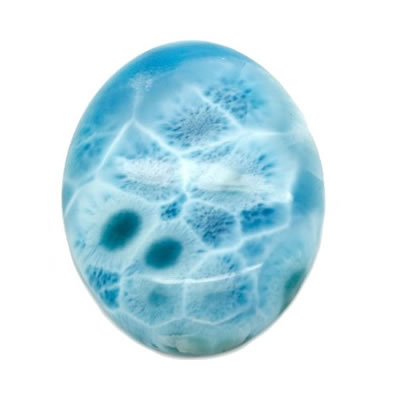
- Turquoise (Mohs 5–6) — a hydrated copper aluminum phosphate, mined heavily in Arizona, Nevada, and Iran. Associated with protection and friendship.
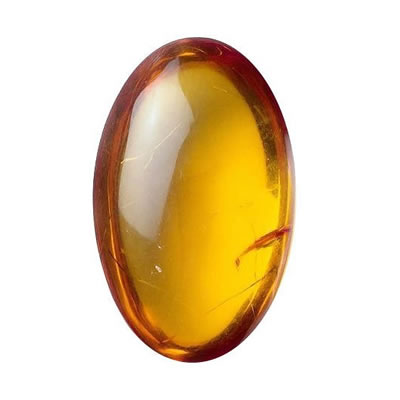
- Amber (Mohs 2–2.5) — fossilized tree resin, primarily from the Baltic coast of Poland and Lithuania, aged 30 to 90 million years. Linked to warmth and healing.
- Lapis Lazuli (Mohs 5–6) — a rock containing lazurite, calcite, and pyrite, sourced largely from Badakhshan, Afghanistan. Symbol of truth and royalty.
- Amethyst (Mohs 7) — a purple variety of quartz (SiO₂), mined in Brazil, Uruguay, and Zambia. February birthstone and emblem of clarity.
- Moonstone (Mohs 6–6.5) — an orthoclase feldspar with adularescence, found in Sri Lanka and India. Connected to intuition and new beginnings.
- Onyx (Mohs 6.5–7) — a banded chalcedony, often dyed black. Associated with grounding and self-control.
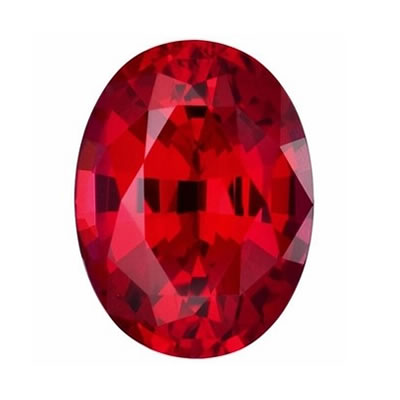
- Garnet (Mohs 6.5–7.5) — a silicate mineral group, January birthstone, linked to loyalty and energy.
Birthstones are the easiest entry point if a buyer wants stones to carry personal meaning without studying mineralogy. A child’s birthstone charm added each year builds a clear visual record of a growing family. For a closer look at our stone selection, the full sterling silver jewelry catalog is organized by material.
How to Build a Bracelet That Reads Well
A charm bracelet works best when the chain can handle the cumulative weight of the charms. Sterling silver, which is 92.5% silver and 7.5% copper by mass, gives enough tensile strength for most builds while staying soft enough for jump rings to close cleanly. We recommend a curb or rolo link in the 3 to 4 mm range for bracelets carrying five or more charms.
Spacing also matters. Charms placed too close together tangle and chip against each other, especially when softer stones like amber or turquoise sit next to harder ones like amethyst. Alternating a stone charm with a solid silver charm reduces contact wear.
Most buyers start with three charms and add one or two per year. That pacing keeps each addition meaningful and gives the bracelet room to grow for a decade or more without needing a second chain.
Choosing Your First or Next Charm
The strongest charm bracelets tell a specific story rather than a general one. A heart means more when paired with the initial of the person it represents, and a travel charm carries weight when its stone comes from the region it commemorates. Specificity is what turns a chain of ornaments into a record worth keeping.
If you’re starting a bracelet or adding to one, browse our sterling silver charms and stone-set pendants for ideas, and reach out if you want help matching a stone to a meaning.