
 Shop now, pay later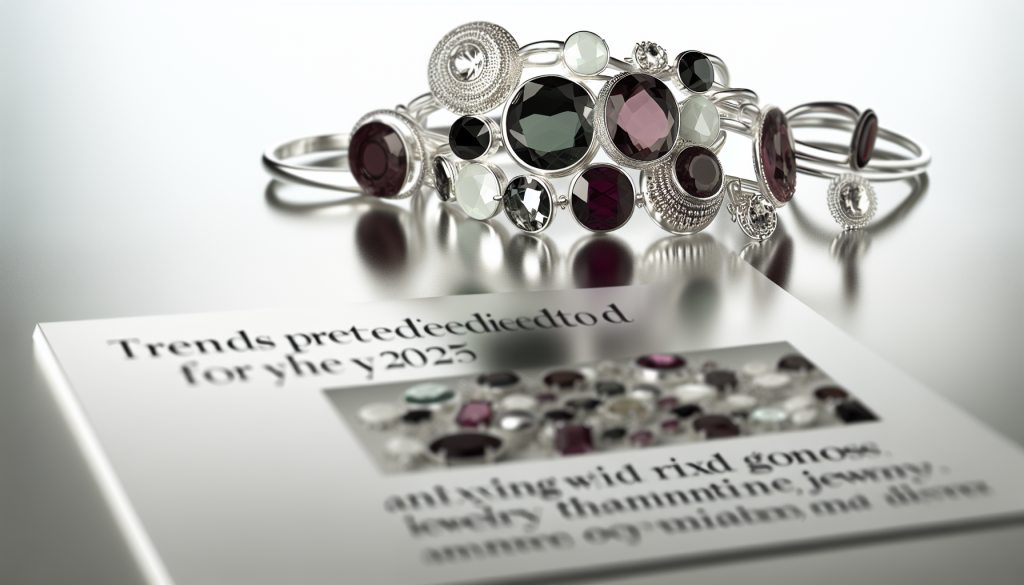
Bold mixed gemstone jewelry is leading the trends to try in 2026, with color-saturated stacks replacing single-stone minimalism on spring runways and street style feeds. Shoppers are pairing warm citrine with cool turquoise, layering amethyst against garnet, and reaching for rings that read like a painter’s palette. At SilverRush Style, we’ve watched this shift take hold across our sterling silver jewelry collections since late 2025.
The appeal is practical as well as visual. Mixing stones lets you layer pieces you already own, swap in birthstones for family members, and build a look that shifts with your outfit. Below are four directions we’re tracking this year, with the stone facts to back them up.
Color Pairings Driving 2026 Stacks
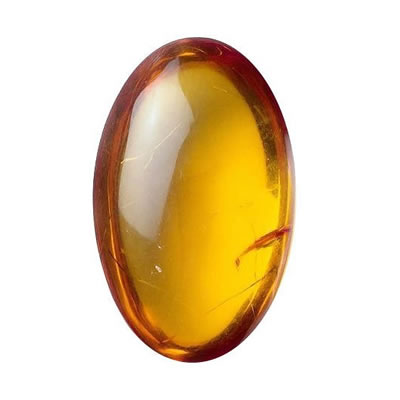
Turquoise and citrine remain the most-requested duo in our shop, and the chemistry explains the contrast. Turquoise is a copper aluminum phosphate (Mohs 5–6) mined heavily in Arizona and Nevada, while citrine is a quartz variety (Mohs 7) with iron traces that produce its yellow to amber range. The softer blue against warm gold reads as desert light in metal form.
Amethyst paired with garnet is the second pairing gaining ground for fall bookings. Both sit around Mohs 7 to 7.5, so they wear well together in rings without one scratching the other. Uruguayan amethyst runs deep purple, and Mozambique garnet brings a wine-red tone that deepens the purple rather than fighting it.
A third combination worth trying: blue topaz with peridot. Topaz is an aluminum silicate fluoride hydroxide (Mohs 8), and peridot is magnesium iron silicate (Mohs 6.5–7) from sources including Arizona’s San Carlos Reservation and Pakistan. The cool-warm split gives a fresh look for spring layering.
Stacking Formulas That Actually Work
The rule our buyers use is three stones, two temperatures, one metal. Pick three gems, make sure two lean warm and one cool (or the reverse), and keep the settings in a single metal family to hold the eye together. Sterling silver (92.5% silver, 7.5% copper alloy) works as a neutral anchor for both warm and cool stones.
For ring stacks, alternate stone sizes rather than matching them. A 6mm oval garnet between two 4mm round amethysts looks considered, while three stones at the same cut and size can read like a wedding set. The same logic applies to pendants layered on chains of staggered lengths, typically 16, 18, and 20 inches.
Earrings are where mixed gemstone jewelry gets bolder. Mismatched studs, one lapis and one carnelian, are showing up on Spring 2026 runways noted by trade press, and they work well because the face frames the contrast at close range.
Stones to Watch in 2026
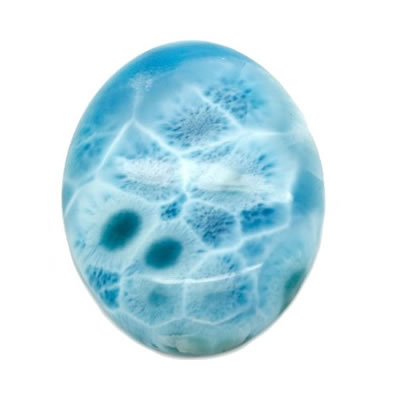
Three stones are moving from niche to mainstream this year. Labradorite, a feldspar mineral from Labrador, Canada and Madagascar (Mohs 6–6.5), shows blue and gold flashes called labradorescence that pair well with almost any secondary stone. It’s particularly strong next to smoky quartz or moonstone.
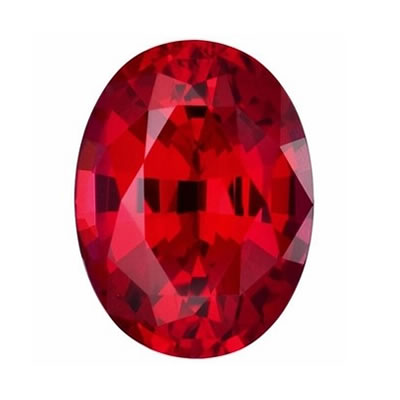
Red tourmaline, also called rubellite, is the second to watch. Tourmaline is a complex borosilicate (Mohs 7–7.5) mined in Brazil, Nigeria, and Mozambique, and the red varieties bring a pink-toward-ruby tone that pushes against green emerald or peridot in a bold way. Jewelers in Palm Desert flagged red tourmaline as a top 2026 color earlier this spring.
The third is lapis lazuli, a rock composed mainly of lazurite with calcite and pyrite flecks (Mohs 5–5.5), sourced for millennia from Afghanistan’s Sar-e-Sang mines. Its pyrite inclusions read as tiny gold points, which bridges the mixed-metal trend we’re also seeing. Our sterling silver lapis pieces have paired well with citrine and carnelian in customer photos this quarter.
Care Notes for Mixed-Stone Pieces
Mixing stones means mixing hardness, porosity, and care needs, so a few habits protect your investment. Store each piece in its own soft pouch to prevent harder stones like topaz from scratching softer ones like turquoise or lapis. A fabric-divided jewelry box works for the same reason.
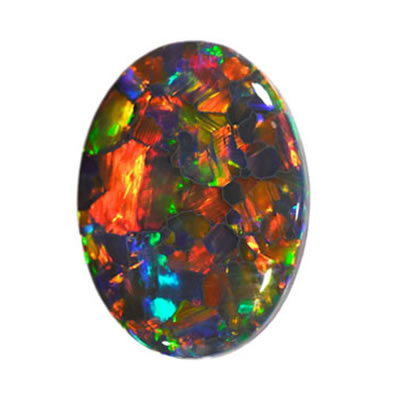
Clean mixed-stone jewelry with lukewarm water and mild soap, then dry with a soft cloth. Skip ultrasonic cleaners on porous or treated stones, including turquoise, lapis, and most opals, because vibration and heat can crack or discolor them. Quartz-family stones (amethyst, citrine, smoky quartz) tolerate gentle ultrasonic cleaning but not sudden temperature changes.
Quick hardness reference
Keep this in mind when stacking: diamond 10, sapphire and ruby 9, topaz 8, quartz family 7, tourmaline 7–7.5, garnet 7–7.5, peridot 6.5–7, labradorite 6–6.5, turquoise 5–6, lapis 5–5.5. A difference of two or more points means the harder stone will scratch the softer one if they rub together daily.
When to take pieces off
Remove mixed-stone rings before hand washing with harsh soap, applying lotion, or swimming in chlorinated water. Chlorine damages the copper alloy in sterling silver over time, and it can also attack the binder in reconstituted turquoise. Sunscreen residue dulls most stones, so wipe pieces at the end of the day.
If you’re building your first mixed gemstone stack this spring, start with two stones you already love and add a third that contrasts in temperature. Browse our sterling silver jewelry collections to see which pairings work on your skin tone, and reach out if you want a second opinion before you buy.