
 Shop now, pay later
Jewelry trends in 2026 confirm what we’ve watched build for three years: artisanal craftsmanship shines in fashion, and shoppers want to see the maker’s hand in the metal. At SilverRush Style, we’ve sold sterling silver jewelry with real natural stones since 2005, so this shift feels less like a trend cycle and more like a correction. Buyers are asking where a stone was mined, who set it, and whether the silver is recycled.
The data backs it up. Google Trends shows sustained interest in queries like “handmade jewelry,” “artisan silver,” and “ethical gemstones” climbing steadily since 2023. Retail reports from Edited and WGSN both flagged sculptural, hand-finished pieces as a top luxury category entering 2026.
What Artisan Jewelry Actually Means in 2026
The word “artisan” gets stretched thin, so a working definition helps. An artisan piece is shaped, soldered, stone-set, or finished by a person using bench tools rather than cast-and-polished at industrial scale. Sterling silver (92.5% silver, 7.5% copper by weight) takes well to this kind of work because it’s soft enough to hammer, chase, and granulate without cracking.
You’ll see the evidence in small irregularities: a hammer texture that doesn’t repeat, a bezel that follows the stone’s natural outline, a clasp filed by hand. These aren’t flaws. They’re the fingerprints that separate bench work from CNC output.
Three visual markers are dominating the 2026 season. Organic sculptural forms pulled from art and nature, quiet refined minimalism in brushed silver, and statement gemstone earrings cut in freeform or rose-cut shapes.
The Stones Leading the Trend
Natural stones are doing heavy lifting this year because each one carries a geography and a hardness rating buyers can verify. That verifiability is the whole point of the artisan shift.
Turquoise
Mohs hardness 5 to 6, a hydrated copper aluminum phosphate. The blue-green we stock comes primarily from Arizona mines including Kingman and Sleeping Beauty, with some Nevada material. Turquoise reads well in hand-hammered silver bezels because the stone’s matrix lines mirror the metal texture.
Amber
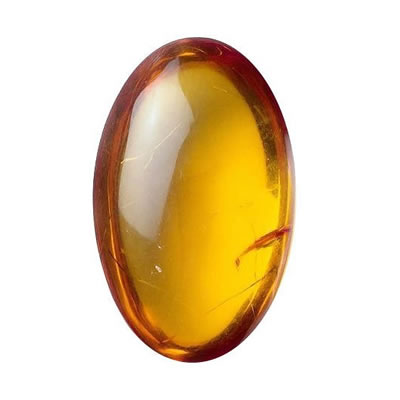
Baltic amber from the coasts of Lithuania, Poland, and the Russian exclave of Kaliningrad is fossilized tree resin roughly 44 million years old. Mohs 2 to 2.5, which is why it’s almost always bezel-set rather than prong-set. The honey-to-cognac color range pairs cleanly with oxidized silver.
Larimar and Moonstone
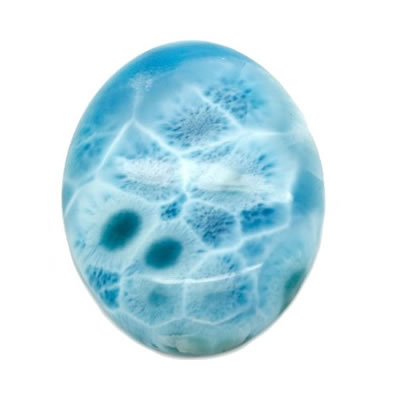
Larimar is a blue pectolite mined only in one province of the Dominican Republic, Mohs 4.5 to 5. Moonstone, a potassium feldspar with adularescence, comes largely from Sri Lanka and India, Mohs 6 to 6.5. Both stones showcase artisan cutting because their optical effects depend on how the cutter orients the rough.
Opal and Labradorite
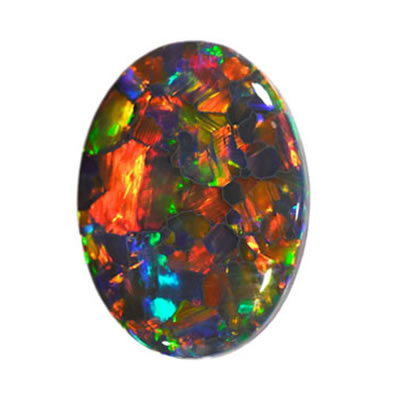
Australian opal (Mohs 5.5 to 6.5) and Finnish or Madagascan labradorite (Mohs 6 to 6.5) close out the top requested stones. Freeform cabochons of both show up in the sculptural bezel settings buyers are reaching for this spring.
Why Shoppers Are Paying for the Bench Hour
Three reasons keep surfacing in customer messages and reviews. The first is sustainability. Recycled sterling silver carries a fraction of the carbon footprint of newly mined metal, and small-batch makers tend to source it by default because the quantities work for their scale.
The second is traceability. A named stone from a named mine set by a named workshop is easier to trust than an unattributed “gemstone” in a mass-produced mount. Buyers born after 1990 especially want that chain of custody, and they’ll pay a premium for it.
The third is personalization. Handmade pieces accommodate custom sizing, stone swaps, and engraving without the retooling costs that stop factories cold. Our sterling silver jewelry catalog leans into this because most of our designs start as small runs that can be adjusted on the bench.
How to Buy Well This Season
Start with the hallmark. Genuine sterling is stamped 925, .925, or STERLING, and reputable makers add a maker’s mark beside it. If the stamp is missing or the metal turns your skin green after a day, the piece isn’t what it claims.
Ask about the stone’s origin and treatment. Stabilized turquoise, heated amber, and dyed howlite sold as turquoise are all common in the market; none of them are inherently bad, but the seller should disclose them. A workshop that knows its supply chain will answer in specifics.
Match hardness to wear. Daily rings need stones at Mohs 7 or higher, which is why amber and larimar work better in earrings and pendants. Turquoise and moonstone hold up in rings if you remove them before gym sessions and dishwashing.
Care Notes
Sterling silver tarnishes because copper reacts with sulfur in the air. A soft polishing cloth brings shine back in about thirty seconds. Store pieces separately in anti-tarnish pouches, and keep amber and opal away from ultrasonic cleaners and hot water.
The artisan turn in 2026 jewelry isn’t a marketing pivot. It’s buyers asking harder questions and makers giving clearer answers. If you’re refreshing your collection this spring, the bench-made piece with the named stone is the one you’ll still wear in 2030. Browse the new arrivals when you’re ready, and message us if you want help matching a stone to the setting you have in mind.