
 Shop now, pay later
Embracing colorful gemstones in your jewelry collection means treating color as a wearable language, not a trend chart. Since 2005, we’ve worked with natural stones set in sterling silver, and the shift toward colored gems has become the strongest signal in fine jewelry right now. This guide covers what to buy, what holds up to daily wear, and how to style pieces without overloading an outfit.
Why Colored Stones Are Leading 2026
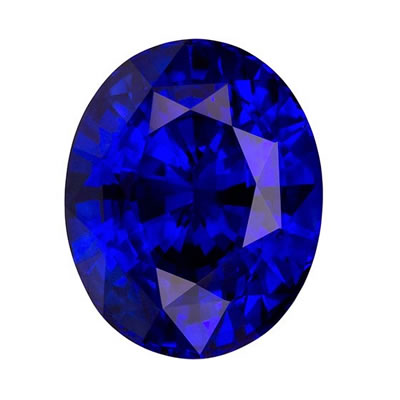
Industry reports from early 2026 point to rare colored gems overtaking white diamonds in luxury demand, driven by rising gold prices and the commoditization of lab-grown diamonds. Buyers want pieces with a clearer story: a specific mine, a specific hue, a specific meaning. Color carries that story in a way a colorless stone rarely does.
That shift also reaches silver jewelry, where a saturated stone can anchor a whole look for a fraction of a gold setting’s cost. A peridot cabochon reads just as clearly in sterling as it does in 18k. The metal supports the stone; the stone does the talking.
Our own order data since 2023 shows steady growth in blue topaz, amethyst, garnet, and turquoise over classic clear quartz. Customers are building small wardrobes of color rather than chasing one statement piece.
Stones Worth Knowing by Hardness and Origin
Durability matters more than price when you wear jewelry daily. The Mohs scale measures scratch resistance from 1 to 10, and anything under 6 needs gentler handling. Use the list below as a working reference before you buy.
Hard enough for rings (7+)
Amethyst (Mohs 7, SiO₂): purple quartz, mostly from Brazil, Uruguay, and Zambia. Reliable for rings and cuffs, and stable under normal light exposure.
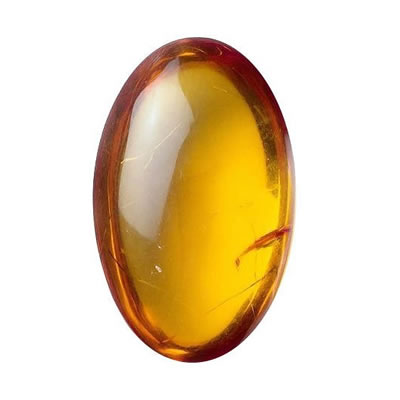
Citrine (Mohs 7, SiO₂): yellow to amber quartz, most commercial material heat-treated from Brazilian amethyst. Pairs well with warm skin tones and brass-adjacent outfits.
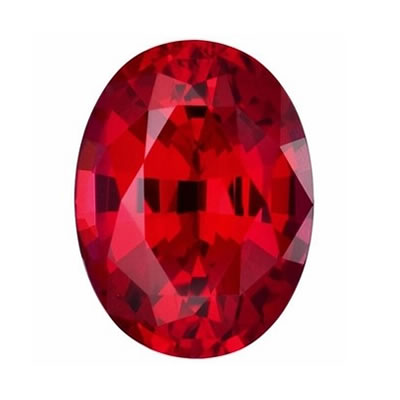
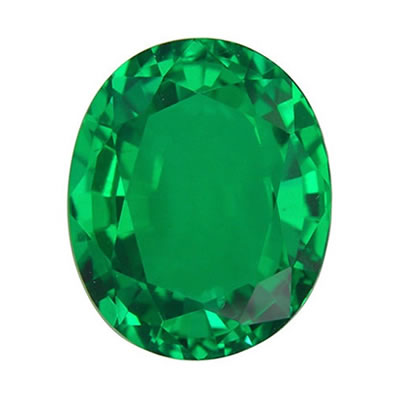
Garnet (Mohs 6.5–7.5): the almandine and pyrope varieties give the deep red most people picture; tsavorite garnet from Kenya and Tanzania gives a green that rivals emerald at lower cost.
Blue topaz (Mohs 8, Al₂SiO₄(F,OH)₂): Swiss, Sky, and London shades come from irradiating colorless Brazilian topaz. Hard enough for daily rings.
Better for earrings and pendants (under 7)
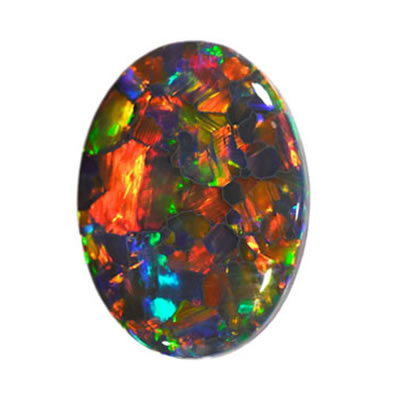
Opal (Mohs 5.5–6.5, hydrated silica): Australian and Ethiopian origins dominate. Keep away from ultrasonic cleaners and sudden temperature changes.
Turquoise (Mohs 5–6, copper aluminum phosphate): American Southwest and Iranian material remain the benchmarks. Porous, so avoid lotions and perfume.
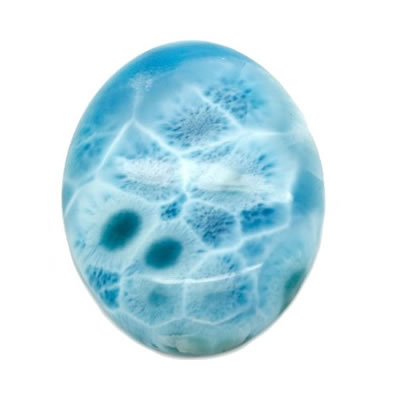
Lapis lazuli (Mohs 5–5.5): Afghan lapis from the Sar-e-Sang mines has been traded for over 6,000 years. The pyrite flecks are genuine, not flaws.
Moonstone (Mohs 6–6.5): Sri Lanka and India produce the blue-flash material; handle with care around hard surfaces.
Building a Small, Working Collection
Start with three stones rather than ten. A cool stone (blue topaz, lapis, or moonstone), a warm stone (garnet, citrine, or carnelian), and a neutral (smoky quartz, labradorite, or black onyx) will cover most outfits in your closet. This is the same logic a stylist uses for a capsule wardrobe.
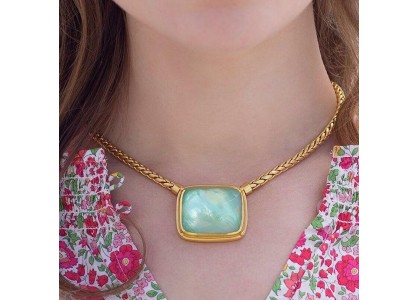
Match stone to setting shape. Round cabochons read softer and work in boho and workwear contexts; faceted cuts throw more light and suit evening dressing. Our catalog of sterling silver jewelry leans heavily on cabochons because they show natural color patterns better than small faceted stones.
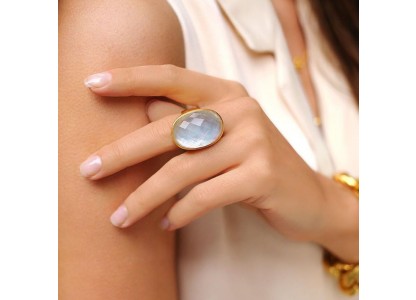
Scale the stone to the piece, not the trend. A 10mm amethyst oval in a pendant sits quietly under a collar; the same stone in a ring feels assertive. Size decisions change the mood more than color choice does.
Styling Without Overloading
Jewelry designers working in 2026 keep repeating one principle: let the stone speak, keep the setting minimal. A bezel-set colored stone on a plain silver band does more visual work than a halo design with side stones. Restraint in the metal lets the color register.
For layering, stick to one dominant color and use metal tones to link the rest. Three silver chains with a single lapis pendant reads intentional; three chains with three different colored pendants reads busy. Earrings and rings can echo the pendant color at half the saturation, using smaller stones.
Consider the outfit’s undertone. Warm-toned clothing (camel, rust, olive) lifts garnet, citrine, and carnelian. Cool-toned clothing (navy, charcoal, slate) lifts amethyst, blue topaz, and moonstone. Neutral outfits are where you can wear the boldest color without conflict.
Care Notes That Extend Wear
Sterling silver tarnishes through reaction with sulfur compounds in air, sweat, and some cosmetics. Wipe pieces with a soft cotton cloth after wearing, store in anti-tarnish pouches, and remove jewelry before swimming in chlorinated pools.
For porous stones like turquoise, opal, and lapis, skip ultrasonic and steam cleaning. Warm water, mild soap, and a soft brush handle most buildup. Harder stones like topaz and amethyst tolerate ultrasonic cleaners, but the silver mount may not if it has glued elements.
Check prongs and bezels once a year. A bezel with a hairline gap can lose a cabochon without warning, and tightening costs far less than replacing the stone.
Color in jewelry is a long-term choice, not a seasonal one. If you’re ready to add a first piece or round out what you already wear, our SilverRush Style catalog organizes sterling silver settings by stone type so you can shop by color rather than by category.