
 Shop now, pay later
Our jewelry forecast for 2026 points to a clear shift: the next wave of artisan creations and upcoming styles favors sculptural silhouettes, honest materials, and stones cut for light rather than mass. Shoppers are asking sharper questions about origin, hardness, and how a piece wears day to day. This guide covers what we expect to see on necks, wrists, and hands through the rest of the year.
We’ve been making sterling silver jewelry with natural stones since 2005, so the notes below lean on two decades of watching what sells, what gets returned, and what customers come back to restock.
Architectural Stacking and Mixed-Metal Layering
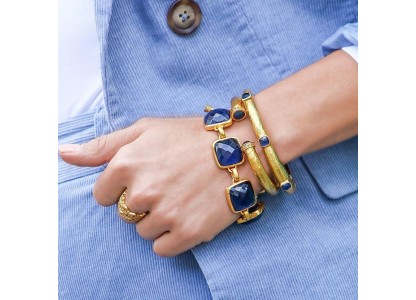
Editors at Vogue and Who What Wear flagged architectural stacking as a defining look for 2026, with mixed widths, textures, and finishes replacing the matchy sets of the late 2010s. The idea is structural, not decorative: a 2mm hammered band next to a 6mm polished cuff, or a rope chain layered over a flat herringbone.
Sterling silver (92.5% silver, 7.5% copper) sits at the center of this trend because it takes high polish, matte, and oxidized finishes without cracking. It also pairs cleanly with yellow gold vermeil and rose tones, which matters now that mixed metals are back in mainstream rotation.
For stacking to read as intentional, vary one element at a time. Keep the metal consistent and change width, or keep the width consistent and change texture. Three rings per finger is the practical ceiling before the hand starts to feel crowded.
What to buy first
Start with a plain 2mm band, a textured 4mm band, and a stone-set ring in the same metal. That trio carries most outfits and leaves room to add seasonal pieces without rebuilding the stack.
Fancy Cuts and Fluid Shapes in Natural Stones
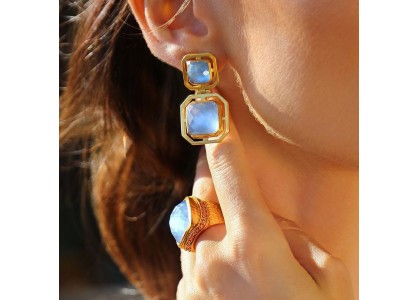
The December 2025 trend reports called out fancy cuts (kite, hexagon, elongated cushion, rose cut) and fluid organic silhouettes as the two stone-setting directions gaining ground. Both move away from the round brilliant default and reward stones with strong color or clarity character.
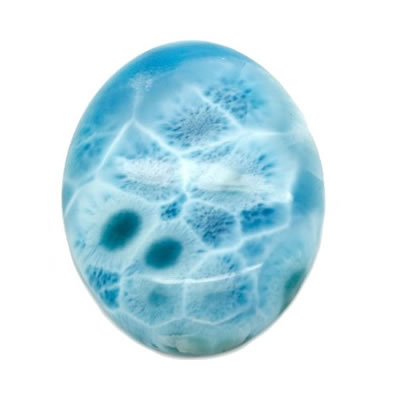
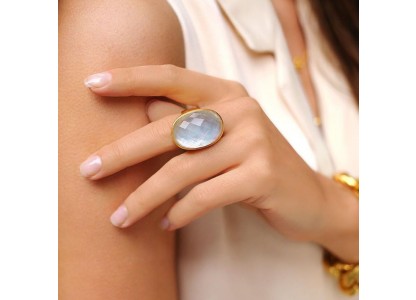
Rose-cut moonstone (Mohs 6-6.5, sourced mostly from Sri Lanka and India) shows adularescence better than a faceted cut because the flat table spreads the blue sheen across a wider plane. Kite-cut labradorite from Madagascar (Mohs 6-6.5) does the same for labradorescence, catching flash at angles a standard oval would hide.
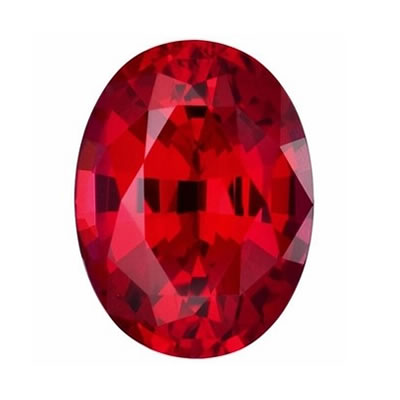
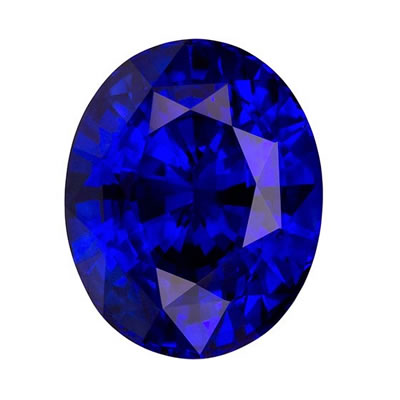
Harder stones suit fancy cuts for daily wear. Sapphire (Mohs 9, corundum, Al2O3) and spinel (Mohs 7.5-8, MgAl2O4) hold edges on hexagon and kite silhouettes where softer material would chip at the points.
Color Stories: Earth Tones, Deep Blues, and Green Revival
The 2026 color direction leans earthy and saturated. Expect more citrine (Mohs 7, quartz from Brazil and Madagascar), smoky quartz, and carnelian in warm settings, alongside a continued push for London blue topaz (Mohs 8) and teal kyanite.
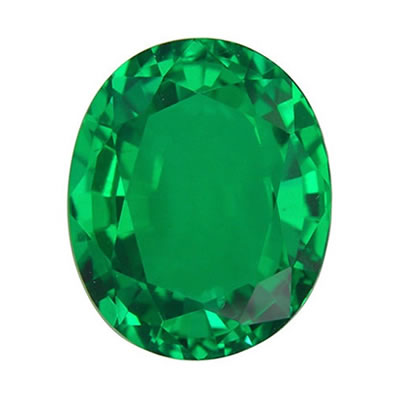
Green is the category to watch. Peridot (Mohs 6.5-7, found in Arizona’s San Carlos reservation and Pakistan’s Kohistan region), chrome diopside from Siberia, and green amethyst (prasiolite) are all showing up in artisan collections as stand-ins for higher-priced emerald.
Turquoise is returning for Southwest-influenced pieces, though buyers should check whether a stone is natural, stabilized, or reconstituted. Natural Sleeping Beauty turquoise from Arizona has been mine-closed since 2012, so any piece labeled as such from post-2012 stock deserves documentation.
Artisan Techniques Returning to the Bench
Three older techniques are getting fresh attention from independent makers in 2026. Granulation (fusing tiny silver or gold beads to a base, a method dating to Etruscan work around 700 BCE) adds texture without adding stones. Keum-boo, a Korean technique that bonds 24k gold foil to sterling with heat and pressure, gives a two-tone look at a fraction of solid-gold cost.
Reticulation, which manipulates the copper content in sterling to create a textured surface through controlled heating, produces finishes no machine can replicate exactly. Each piece ends up with its own pattern, which suits the current appetite for pieces that don’t look mass-produced.
Hand-forged chain is the third return. Byzantine, wheat, and foxtail links assembled by hand cost more than cast chain but move differently on the body and tend to outlast machine-soldered alternatives.
How to spot real artisan work
Look for slight asymmetry in granulation patterns, visible solder joints on chain links, and stamps indicating metal content (925 for sterling, 999 for fine silver). A maker’s mark alongside the purity stamp is standard on bench-made pieces and rare on mass production.
What This Means for Building a Collection in 2026
The forecast rewards patience over volume. A stack of three well-made sterling rings with fancy-cut stones will outwear a drawer of fast-fashion pieces and keep its visual weight as trends move. Budget for one stone-set piece per quarter rather than several plated items at once.
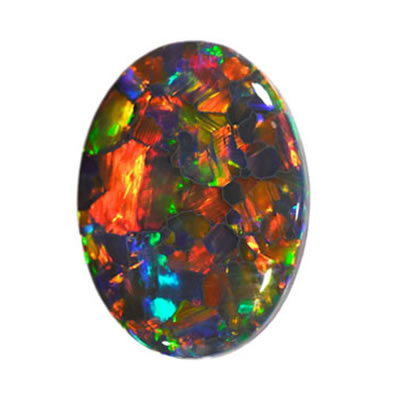
Check Mohs hardness against intended use. Anything below 6 belongs in earrings or pendants rather than rings, since daily hand contact will scratch softer material within a year. Opal (5.5-6.5), moonstone, and turquoise (5-6) all fit this rule.
If you want help matching stones to setting styles, our team has been sizing and pairing sterling pieces for twenty-one years and is happy to answer specific questions before you buy.