
 Shop now, pay later
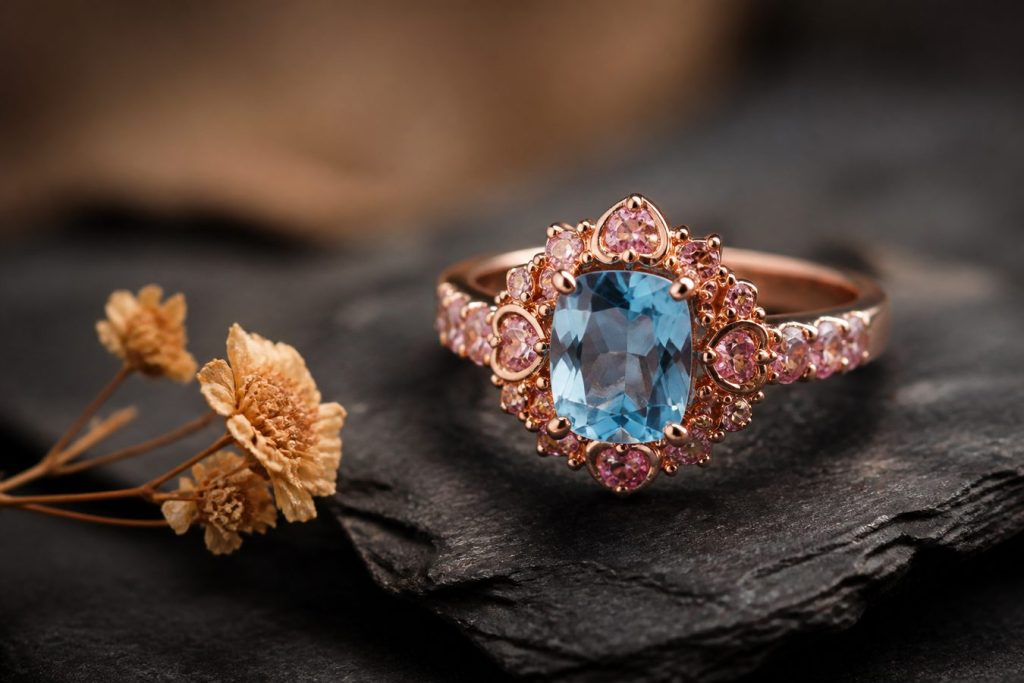
Real sterling silver rings carry a .925 stamp, which means 92.5% pure silver alloyed with 7.5% copper or another metal for strength. That ratio has been the US and international standard since the 19th century, and it’s the single most reliable marker separating authentic pieces from silver-plated or nickel-based lookalikes. At SilverRush Style, we’ve sold .925 rings with natural stones since 2005, and this guide covers what to check before you buy.
How to Verify a Real Sterling Silver Ring
Start with the hallmark. Genuine sterling rings are stamped .925, 925, STER, or STG on the inside of the band, usually near the solder seam. If a ring has no stamp, treat it as unverified until a jeweler tests it.
A simple magnet test rules out ferrous base metals: sterling silver is not magnetic, so any pull toward a strong neodymium magnet signals a plated or steel-core piece. For a second check, rub the band with a soft white cloth. Real silver leaves a faint black mark from oxidation, while plated metals do not.
Weight also matters. Sterling has a density of about 10.3 g/cm³, so a solid band feels heavier in the hand than brass or aluminum of the same size. If you want certainty, a jeweler can run an acid test or XRF scan in under a minute. Our full range of sterling silver jewelry ships with the .925 stamp intact and documented.
Natural Stones That Hold Up in Daily-Wear Rings
Ring stones take more abuse than earrings or pendants because hands move, grip, and knock surfaces constantly. The Mohs hardness scale, developed by Friedrich Mohs in 1812, rates mineral scratch resistance from 1 (talc) to 10 (diamond). For rings worn several times a week, look for stones rated 6.5 or higher.
Harder Stones for Everyday Bands
Amethyst and citrine, both quartz varieties, sit at 7 on the Mohs scale and resist most household scratches. Amethyst gets its purple color from iron impurities and natural irradiation, with major deposits in Brazil, Uruguay, and Zambia. Topaz (Mohs 8) and garnet (6.5–7.5) also perform well in rings.
Softer Stones That Need Gentler Wear
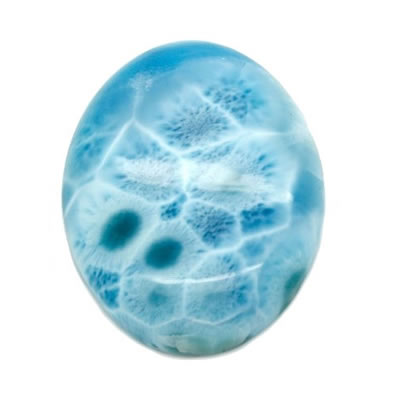
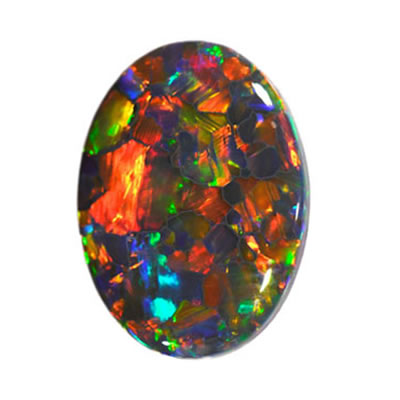
Turquoise rates 5–6 on Mohs and absorbs oils and water, so it suits occasional wear rather than daily use. Opal (5.5–6.5) contains 3–21% water by weight and can craze if exposed to sudden temperature changes. Pearl sits at 2.5–4.5 and should be kept away from perfume, chlorine, and friction against harder surfaces.
Knowing the hardness before purchase prevents disappointment later. A turquoise statement ring is a reasonable choice for office wear, but not for gardening or weightlifting.
Sizing, Band Width, and Comfort
US ring sizes run from 3 to 15 in half and quarter increments, measured by inner circumference in millimeters. A size 7, for example, has an inner diameter of 17.3 mm. Fingers swell in heat and shrink in cold, so measure at room temperature in the late afternoon for the most accurate reading.
Band width changes the fit. A 2 mm band at size 7 feels looser than an 8 mm band at the same marked size, because the wider band covers more of the finger and grips more skin. If you’re ordering a chunky or spiral style, consider going up a quarter to a half size from your usual measurement.
Comfort-fit bands have a slightly domed interior that slides over knuckles with less resistance. Flat interior bands sit flush against the skin and feel more secure but can catch on larger knuckles. Browse our sterling silver jewelry catalog to compare profiles side by side.
Caring for Sterling Silver Rings
Silver tarnishes when the copper in the alloy reacts with sulfur compounds in air, lotions, and some foods. The resulting silver sulfide film looks yellow at first, then brown, then black. Tarnish is cosmetic, not damage, and it comes off with the right method.
For light tarnish, use a dedicated silver polishing cloth with a mild abrasive and anti-tarnish compound. For heavier buildup, a soft toothbrush with mild dish soap and warm water clears most residue around settings and prong bases. Avoid toothpaste, which contains abrasives rated up to Mohs 7 and can scratch the silver surface itself.
Store rings separately in anti-tarnish bags or a lined box with silica packets. Remove rings before swimming (chlorine corrodes silver alloys), showering with sulfate shampoos, or applying sunscreen. Rings worn daily and cleaned monthly can last decades with no loss of structural integrity.
What to Expect When You Buy
A real sterling silver ring with a natural stone should include the .925 hallmark, information on stone origin and treatment, and a return window. US retailers are required under FTC Jewelry Guides to disclose synthetic versus natural stones and any permanent treatments such as heating or dyeing. Ask for this in writing if the listing doesn’t state it.
Prices for solid .925 bands with semi-precious stones typically run from $30 to $200 depending on stone size, cut, and setting complexity. Pieces well below that range often use silver-plated brass or lower-grade alloys, so verify the stamp and the seller’s return policy before checkout.
If you have questions about a specific stone, setting, or sizing before placing an order, our team has been fitting silver rings since 2005 and is happy to help you choose a piece that fits both your finger and your routine.