
 Shop now, pay later
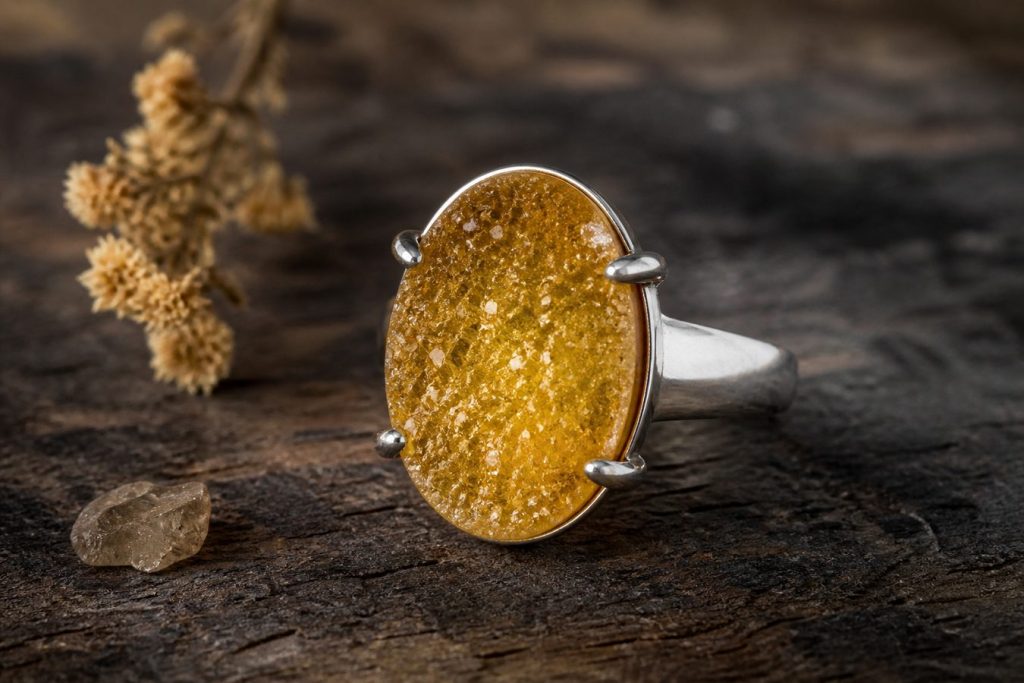
Good quality rings share a short list of traits: solid metal, secure settings, honest stones, and clean finishing. At SilverRush Style, we’ve been selling sterling silver jewelry with natural gemstones since 2005, so this guide reflects what we check before a ring ships.
Price alone won’t tell you much. A $40 ring can outlast a $400 one if the metal is right and the setting is built to hold its stone. The cues below will help you judge any ring, whether you shop with us, Tiffany, Kendra Scott, or an indie maker.
What Makes a Ring Actually Well-Made
The first thing to check is the hallmark. Sterling silver should carry a 925 stamp, meaning 92.5% silver alloyed with 7.5% copper (sometimes with a trace of germanium or zinc for tarnish resistance). Gold rings should show 10K, 14K, 18K, or a millesimal mark like 585 or 750.
Weight matters too. A size 7 sterling band with real heft usually weighs 3 to 6 grams; stone rings run 4 to 10 grams depending on the setting. Hollow or paper-thin shanks bend out of round within months of daily wear.
Look at the inside of the shank with a loupe or phone camera. Clean solder joins, a smooth interior, and prongs that sit flush against the stone signal careful bench work. Rough casting marks, pitted metal, or gaps under a bezel are red flags.
Setting Types That Hold Up
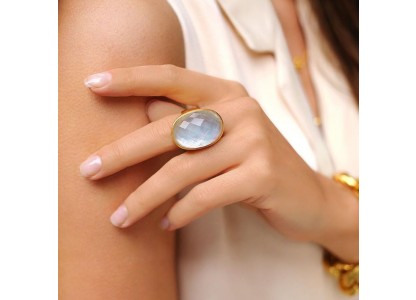
Bezel settings wrap metal around the stone’s girdle and protect edges from chipping. Prong settings show more of the stone but need four to six evenly spaced prongs with rounded tips. Pavé and channel work should feel smooth to a fingernail dragged across the surface.
How to Judge the Stones
Natural stones vary in durability, and the Mohs hardness scale is the quickest filter. Diamond sits at 10, sapphire and ruby at 9, topaz at 8, quartz varieties (amethyst, citrine) at 7, and opal at 5.5 to 6.5. Anything under 6 needs gentler wear.
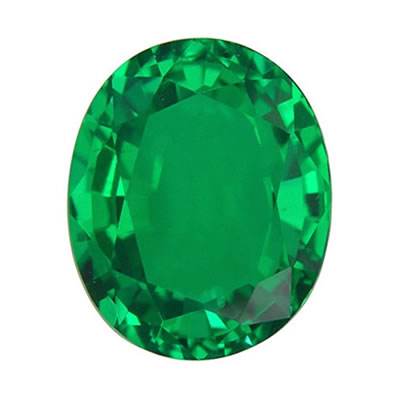
Origin and composition tell you what you’re actually paying for. Natural amethyst (SiO₂) from Brazil or Uruguay runs purple to violet; natural turquoise (hydrous copper aluminum phosphate) from Arizona or Nevada shows matrix veining. Lab-created stones aren’t fake, but they should be labeled as such.
Ask three questions before you buy a stone ring: Is the stone natural or synthetic? Has it been treated (heat, dye, stabilization)? What’s the hardness? Reputable sellers answer all three without hedging. Our sterling silver collection lists stone origin and treatment on every product page.
Treatments That Are Normal
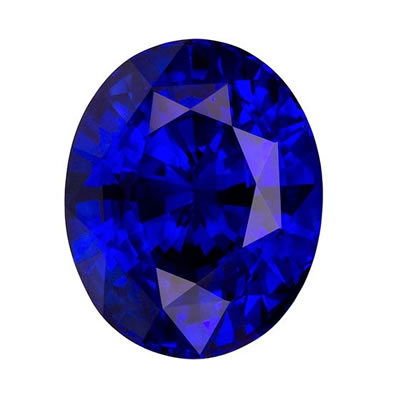
Most sapphires on the market are heat-treated to improve color; this is stable and widely accepted. Turquoise is often stabilized with resin to prevent cracking. Dyed howlite sold as turquoise is not the same thing, and the price should reflect that.
Price Ranges and What You Should Expect
Under $50, you can get solid sterling silver with a small natural stone (3 to 6mm) or a mid-sized synthetic. Expect simple prong or bezel work and basic polish. This is a reasonable entry point for stacking rings or everyday wear.
Between $50 and $150, you move into larger natural stones, multi-stone designs, and more detailed metalwork like filigree, oxidized texture, or hand-set accents. Most of our catalog sits here, and it’s where sterling silver gives you the best ratio of material to craft.
Above $150, you’re paying for larger carat weight, rarer stones (fine opal, Paraiba tourmaline, high-grade turquoise), or gold overlay. For gold rings, $300 to $800 is standard for 14K with a modest natural stone from mainstream US retailers.
Where the Money Actually Goes
Metal cost is roughly 20 to 35% of the retail price on sterling silver pieces. The rest covers stone sourcing, labor, quality control, packaging, and the seller’s margin. Rings priced far below material cost usually cut corners on metal purity or stone authenticity.
Care That Keeps a Good Ring Good
Sterling silver tarnishes when sulfur in the air reacts with the silver surface, forming silver sulfide. A polishing cloth removes it in a minute; storing rings in a zip-top bag with an anti-tarnish strip slows the process for months.
Take rings off before swimming (chlorine attacks silver and loosens stone settings), applying lotion, or lifting weights. Soft stones like opal, pearl, and turquoise should never go in an ultrasonic cleaner. Warm water, mild soap, and a soft brush work for almost everything else.
Have prong-set rings checked once a year. A jeweler can retip worn prongs in about fifteen minutes, which costs far less than replacing a lost stone. Most of our customers get decades out of their pieces with this level of attention.
Buying With Confidence
Good quality rings aren’t a mystery once you know what to look at: the hallmark, the weight, the setting, the stone’s identity and hardness, and the finish inside the shank. These checks take two minutes and work on any ring at any price point.
If you’d like to see how these standards show up in real pieces, browse our sterling silver and natural stone rings. Every listing includes metal purity, stone origin, and treatment notes, so you can apply the checks above before you add anything to your cart.