
 Shop now, pay later
Gemstones add timeless beauty and meaning to jewelry, but not all gems are created equal. When shopping for jewelry that reflects your style and story, understanding the difference between natural, treated, and synthetic gemstones is crucial. Use this real gemstone guide to make empowered, informed decisions—and ensure every piece in your collection is as authentic as you are.
Natural vs. Fake Gems: What’s the Difference?
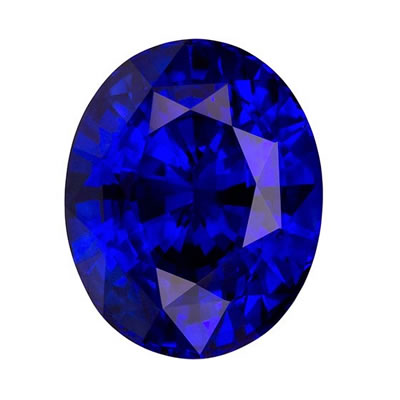
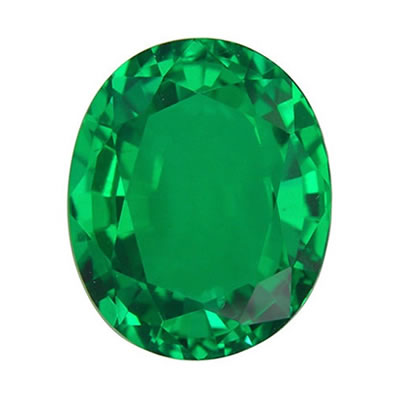
Natural gemstones are formed by nature over millions of years. They boast unique colors, patterns, and inclusions (natural imperfections) that add to their character. In contrast, fake or synthetic gems are man-made in laboratories, sometimes with materials that mimic the appearance of real stones. While synthetics can be beautiful, they lack the rarity, history, and emotional value of natural stones.
Treated gemstones are a middle ground—these are natural stones that have undergone processes (like heat or dyeing) to enhance their color or clarity. Treatments are common in the jewelry industry, but should always be disclosed by reputable jewelers so you know exactly what you’re buying.
Key Signs You’re Looking at a Natural Gemstone
- Unique inclusions: Natural gems often have tiny lines, color changes, or other inclusions inside the stone. These ‘flaws’ are proof of their natural origin.
- Depth of color: Genuine stones typically have subtle variations in tone—not the overly bright, uniform color seen in many synthetics.
- Non-replicable beauty: Each natural gemstone is unique. If every stone you see looks perfectly identical, they may be synthetic or highly treated.
Understanding Gemstone Treatments
Many beloved stones—like sapphires or topazes—are gently enhanced to bring out their best qualities. Common treatments include:
- Heat: Intensifies color or removes cloudiness without altering the gem’s structure.
- Dyeing: Adds color to less vibrant stones. Look for signs of dye in cracks or around drill holes.
- Fracture filling: Tiny fractures are filled with resin or glass to improve clarity. Check for visible lines or bubbles under magnification.
How to Shop for Genuine, Quality Jewelry
Always ask your jeweler for a certificate or full details on each gemstone’s origin and treatments. Reputable artisans and brands are transparent—helping you invest confidently in real gemstone jewelry that fits your style and values.
Remember, your jewelry should be as authentic and radiant as you are. With this real gemstone guide in hand, you’ll always know the story behind every stone you wear.