
 Shop now, pay later
Quality fashion jewelry sits in a specific spot on the market: more durable than costume pieces, more affordable than fine gold, and built to wear on repeat. Since 2005, we’ve made this our focus at SilverRush Style, pairing solid sterling silver jewelry with natural gemstones from working mines around the world. This guide walks through what actually separates a well-made piece from a plated look-alike.
You don’t need a loupe or a chemistry degree to shop smart. You do need to know four things: the metal, the stone, the setting, and the finish. Get those right and a $60 pendant can outlast a $600 impulse buy.
What Makes Fashion Jewelry “Quality”?
The term “fashion jewelry” covers a wide range, from base-metal costume pieces to solid silver with genuine stones. Quality fashion jewelry, in our definition, uses real materials that won’t turn your skin green after three wears. That means sterling silver (925 parts silver per 1000, alloyed with copper), 14k gold fill with a bonded layer at least 5% of the item’s weight, or solid gold at 10k and above.
Plated jewelry sits below that bar. A flash of gold or rhodium over brass wears through in months, sometimes weeks, depending on skin chemistry and how often you wash your hands. If a listing doesn’t state the metal composition, assume plating.
The second marker is stones. Lab-grown cubic zirconia and glass are fine for costume work, but natural gemstones give you real optical properties: the way a moonstone shows adularescence, or how amethyst holds its purple under LED light. Both cost more to source and cut, and both hold value.
Reading Hallmarks and Metal Stamps
Every legitimate silver piece sold in the US should carry a stamp. Look for 925, .925, or STERLING on the inside of a ring band, the back of a pendant bail, or the clasp of a chain. The Federal Trade Commission requires this disclosure for anything marketed as sterling.
Gold uses karat stamps: 10k, 14k, 18k, or the European equivalents 417, 585, 750. Gold-filled pieces stamp GF (for example, 14/20 GF). Anything marked HGE, GP, or GEP is plated and shouldn’t be sold as solid gold.
Missing stamps aren’t always a red flag on very small pieces like stud earring posts, where there’s no room. But the parent piece or clasp should carry the mark. If a seller can’t tell you the metal spec, move on.
Natural Stones: What to Check
Hardness matters because it predicts how a stone holds up to daily wear. The Mohs scale runs 1 to 10, and jewelry stones generally sit between 5 and 9. Here’s a working reference for common natural stones we use:
- Amethyst (quartz, SiO2): Mohs 7. Sourced from Brazil, Uruguay, and Zambia. Handles rings and bracelets well.
- Turquoise: Mohs 5–6. Best-known deposits in Arizona, Nevada, and Iran. Porous, so keep it away from lotions and perfume.
- Moonstone (orthoclase feldspar): Mohs 6–6.5. Sri Lanka and India produce the strongest blue sheen. Better in earrings and pendants than rings.
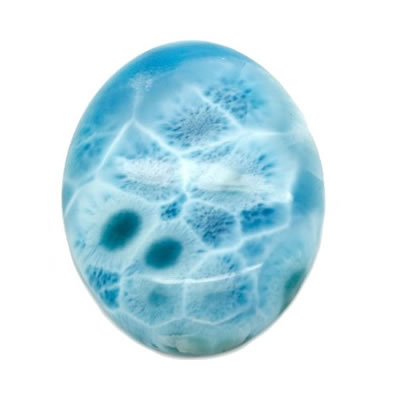
- Larimar (blue pectolite): Mohs 4.5–5. Mined only in the Dominican Republic. Soft, so treat it carefully.
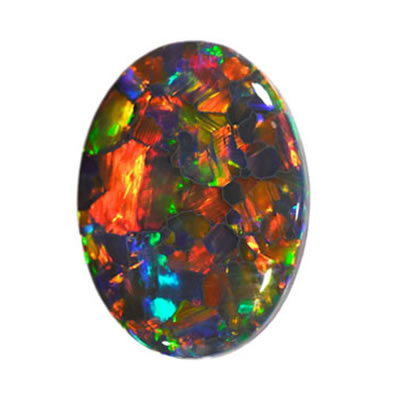
- Opal: Mohs 5.5–6.5. Australian and Ethiopian sources dominate. Contains 3–21% water; store away from heat.
Ask sellers where the stone was mined and whether it’s been treated. Heat treatment on amethyst and citrine is standard and stable. Dyed howlite sold as turquoise is not, and it’s a common substitution in cheap fashion jewelry.
Construction: Setting, Prongs, and Chains
A good bezel setting wraps the stone in a continuous metal rim with no visible glue. Prong settings should have four to six prongs of even height, each bent over the stone’s crown rather than sitting flat against it. Run a fingernail across the setting; catching means the prongs are gripping.
Chain construction tells you almost everything about longevity. Soldered links resist pulling apart; open jump-ring links will eventually give way at the weakest point. For everyday wear, look for cable, curb, or rope chains in solid silver with soldered links.
Clasps are the second failure point. Lobster claws with a firm spring return outlast spring rings on chains over 18 inches. On bracelets, box clasps with a safety catch beat magnetic closures for anything you’d hate to lose. Our full range of sterling silver jewelry uses soldered links and lobster clasps as the default on chains 18 inches and longer.
Care That Actually Extends the Life
Sterling silver tarnishes because copper in the alloy reacts with sulfur compounds in the air. This is chemistry, not a defect. A soft polishing cloth removes light tarnish in under a minute; for deeper cleaning, warm water with a drop of phosphate-free dish soap and a soft toothbrush works on most stones except opal, turquoise, pearl, and larimar.
Store pieces separately in anti-tarnish bags or a lined box. Silver rubbing against silver causes scratches; silver next to rubber or wool accelerates tarnish. Take rings off before applying sunscreen, which contains chemicals that dull both metal and porous stones.
Ready to build a collection that holds up? Browse our sterling silver and natural-stone pieces, check the hallmark and origin notes on each listing, and reach out if you want a specific stone sourced. We’ve been answering these questions since 2005 and we still enjoy them.