
 Shop now, pay later
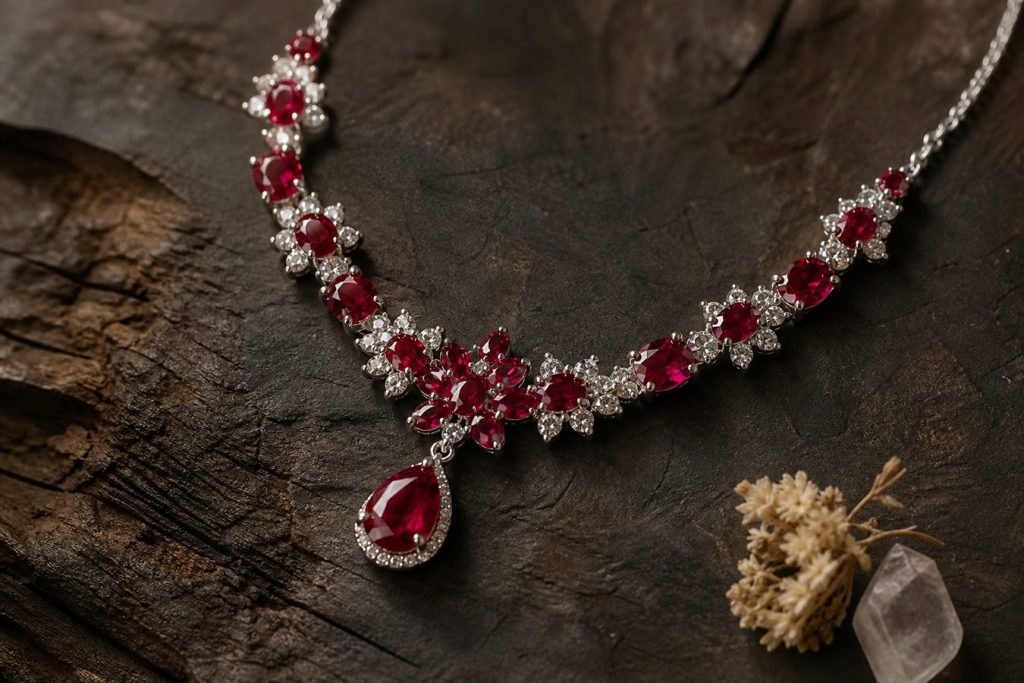
A natural ruby bracelet pairs July’s red birthstone with a metal that lets the color do the talking. At SilverRush Style, we’ve set genuine rubies in sterling silver since 2005, so this guide covers what matters when you shop: stone facts, origin, setting choices, and care.
What Makes a Ruby “Natural”
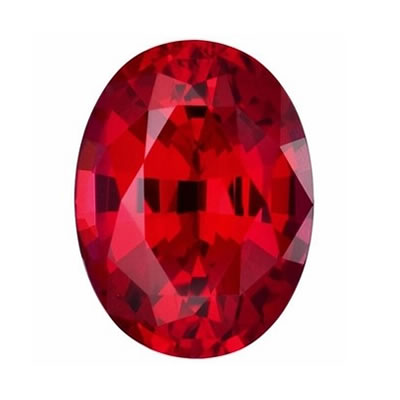
Ruby is the red variety of corundum, an aluminum oxide (Al2O3) colored by trace chromium. It ranks 9 on the Mohs scale, second only to diamond, which makes it a strong choice for a bracelet that takes daily wrist contact.
“Natural” means the crystal grew in the earth rather than in a lab. Most natural rubies on the market have been heat-treated to improve color and clarity, a stable and widely accepted practice disclosed by reputable sellers.
Lab-created rubies share the same chemistry and hardness, but they are not natural and typically cost far less. If a listing doesn’t say “natural,” assume synthetic or glass-filled and ask before buying.
Origin, Color, and Clarity
Historic ruby sources include Myanmar (Burma), long associated with the “pigeon’s blood” red, along with Thailand, Mozambique, Madagascar, Tanzania, and Sri Lanka. Mozambique has become a leading source since major deposits were developed in the Montepuez region in 2009.
Color drives value more than any other factor. Look for a saturated red with a slight purplish or pink undertone; brownish or washed-out stones sell for less and read duller against silver.
Natural rubies almost always carry visible inclusions called “silk,” fine rutile needles that confirm earth origin. A ruby that looks flawless under a loupe at a low price is a red flag, usually synthetic or glass-filled.
Setting Styles That Work for Bracelets
Prong settings show more of the stone and let light enter from the sides, which boosts color. Bezel settings wrap the ruby in a silver rim, protecting the girdle from knocks against desks, car doors, and keyboards.
Tennis-style line bracelets place small matched rubies around the full circumference, while station bracelets space larger stones along a sterling chain. For heavier wear, pick bezels or low-profile prongs over tall cathedral mounts.
If you like coordinated sets, our broader ruby jewelry collection includes rings and earrings cut from the same stone parcels, which helps color match across pieces.
Why Sterling Silver Suits Ruby
Sterling silver is 92.5% silver alloyed with 7.5% copper, hallmarked “925.” The cool white tone of silver creates a strong contrast with red corundum, pushing the ruby’s saturation forward in a way yellow gold tends to warm and soften.
Silver also keeps the price proportional to the stone. A one-carat natural ruby of good color can run several hundred to several thousand dollars on its own, so pairing it with 14k gold multiplies the setting cost without changing how the stone looks on your wrist.
Our full range of sterling silver jewelry is nickel-free and stamped 925, which matters if you’ve reacted to base-metal plating in the past.
Sizing, Care, and Buying Checklist
Measure your wrist with a soft tape just below the wrist bone, then add about half an inch for a comfortable drape. Standard women’s bracelet lengths run 6.5 to 7.5 inches; add a quarter inch if you prefer the chain to sit over a watch strap.
Clean a ruby bracelet with warm water, mild dish soap, and a soft brush. Skip ultrasonic and steam cleaning if the stones are fracture-filled or heavily included, since thermal shock can widen existing fissures.
Store the bracelet flat in a lined pouch away from harder stones; a Mohs 9 ruby will scratch silver links if tossed loose in a drawer. Keep it off during swimming, gym sessions, and household cleaning, as chlorine and ammonia dull silver over time.
Before You Check Out
Confirm the listing uses the word “natural” and discloses any treatment such as heat. Ask for carat weight per stone, total carat weight, and clarity grade if available.
Check that the metal is marked 925 and that the clasp is a lobster or box style with a safety; spring rings are fine for lighter chains but wear faster. Reputable sellers will share stone origin when known and provide a return window of at least 14 days.
If you’d like help choosing a length or matching a ruby bracelet to pieces you already own, reach out to our team and we’ll walk you through current stock and stone options.