
 Shop now, pay later
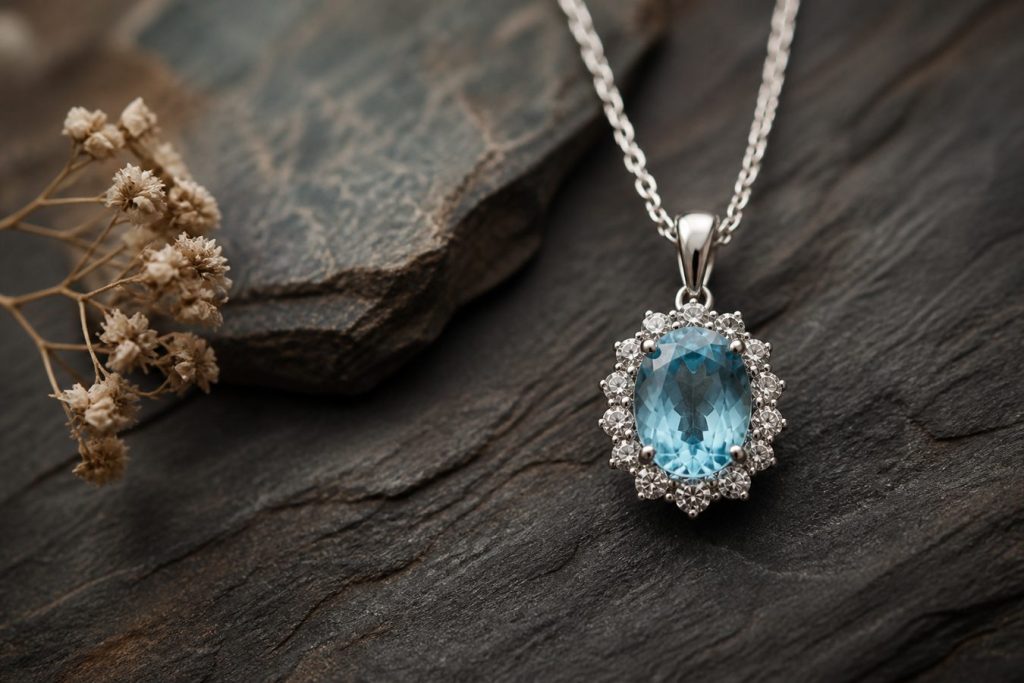
Wondering how to tell if a gemstone is real at home before you spend money or set it in sterling silver jewelry? You can screen most stones with a loupe, a glass of water, and good lighting. None of these tests replace a GIA report, but they filter out obvious glass, plastic, and dyed lookalikes in minutes.
SilverRush Style has sold natural-stone jewelry since 2005, and these are the checks our sourcing team runs before a stone reaches a bezel. Work in daylight when possible, and handle stones over a soft cloth so a slip doesn’t chip an edge.
Start With a 10x Loupe and Daylight
A jeweler’s loupe at 10x magnification is the single most useful tool for spotting fakes. Real gemstones grow in the earth over millions of years, so they carry inclusions: tiny mineral crystals, feathers, silk, or growth lines. Glass and plastic imitations show gas bubbles, swirl marks, or a suspiciously clean interior.
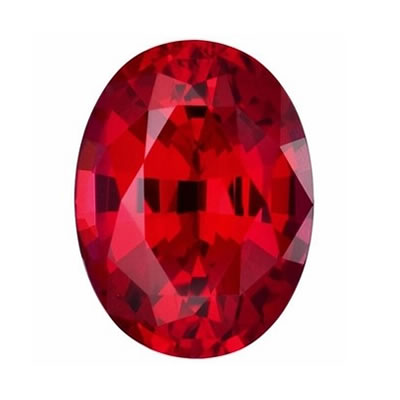
Emerald almost always shows a garden of inclusions called jardin. Natural amethyst often has color zoning in straight bands, while synthetic quartz shows curved growth lines. If you see round bubbles trapped inside a red stone sold as ruby, it is glass or a glass-filled composite.
Check the facet edges next. Natural corundum, spinel, and topaz hold sharp facet junctions because of their hardness (ruby and sapphire sit at 9 on the Mohs scale). Molded glass shows rounded, softened edges and sometimes mold seams along the girdle.
Use Weight, Temperature, and the Breath Test
Genuine gemstones feel cool and heavy for their size. Most natural stones have specific gravities between 2.6 (quartz) and 4.0 (ruby and sapphire), while common glass sits around 2.5 and plastic around 1.2. Bounce the stone gently in your palm against a same-size piece of glass and the real gem usually feels denser.
Temperature works the same way. Hold the stone against your cheek or upper lip for two seconds. Real quartz, beryl, and corundum stay cool because they conduct heat away from your skin; plastic warms up almost instantly.
The breath test, popular with dealers, checks fog clearance. Breathe onto the table facet the way you would fog a mirror. A natural gemstone clears in about one to two seconds, while glass and many synthetics hold the fog for three or four. This is a screening test, not proof, but it is fast.
Try the Water, Light, and Scratch Checks
The water test uses density. Fill a clear glass three-quarters full and drop in a loose stone. Real gems sink quickly because their specific gravity exceeds 2.5, while hollow glass beads and some plastics sink slowly or drift.
Light behavior reveals more. Shine a small flashlight through the stone against a white background and look for doubling of the back facets, which happens in zircon, peridot, and tourmaline because they are doubly refractive. Uniform, cartoon-bright color with no zoning is a warning sign; dyed howlite sold as turquoise, for example, shows dye pooled in surface cracks.
Hardness testing is a last resort because it can damage the stone. On an inconspicuous spot near the girdle, a real sapphire will not scratch with a steel needle (Mohs 9 vs steel around 6.5), while glass will show a mark. Never scratch-test emerald, opal, or turquoise; they fracture easily. If you shop finished pieces like our sterling silver jewelry collections, skip this test entirely and trust the origin paperwork.
Match the Test to the Stone
Each gem type has its own tells. Diamond conducts heat so well that a thermal probe reads it instantly, and a real diamond viewed face-down on newsprint will not show readable letters through the pavilion. Moissanite, the common diamond simulant, shows strong doubling under 10x magnification.
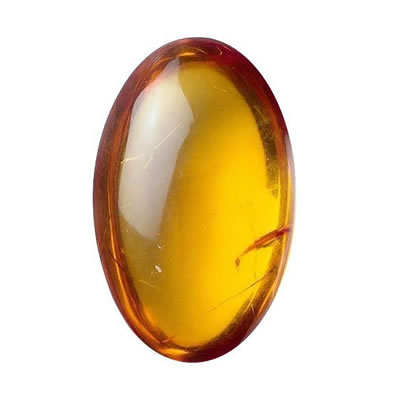
For amber, the saltwater test works: mix two tablespoons of salt into a cup of warm water, and real Baltic amber (a fossilized tree resin, roughly 44 million years old) floats while plastic and glass sink. For pearls, rub two together gently near your ear; natural and cultured pearls feel gritty from their aragonite layers, while imitation pearls feel smooth as plastic.
Turquoise from Arizona, Iran, or Tibet shows a waxy luster and irregular matrix veining, and it registers 5 to 6 on the Mohs scale. If the stone feels light, shows perfectly uniform blue, and has a chalky feel where the finish wore, it is likely dyed howlite or reconstituted composite.
When to Take It to a Gemologist
Home tests catch obvious fakes, but treatments and lab-grown stones need instruments. A refractometer, polariscope, and spectroscope tell natural from synthetic sapphire, and only a lab can confirm whether a ruby has been glass-filled or heat-treated. Expect to pay $30 to $75 for a basic identification at a GIA-affiliated lab in the US.
If a deal seems too cheap for the stone claimed, it usually is. Natural untreated ruby over one carat rarely sells below a few hundred dollars per carat wholesale, and fine Colombian emerald costs more. Buy from sellers who name the origin, treatment, and carat weight in writing, and browse our sterling silver jewelry catalog for pieces with stone details listed on every product page.
Frequently Asked Questions
Can I test a gemstone without removing it from the setting?
Yes. The loupe, breath, and temperature tests all work on set stones. Skip the water test and the scratch test, since water can loosen glued settings and scratching risks the metal prongs.
Do lab-grown gemstones count as real?
Lab-grown stones share the same chemical composition and crystal structure as their natural counterparts, so gemologically they are real. They are not natural, though, and should be disclosed and priced accordingly, usually 20 to 40 percent below mined equivalents.
Why does my real gemstone have inclusions?
Inclusions are a normal part of natural growth over geological timescales. They often help identify origin, such as silk in Kashmir sapphire or three-phase inclusions in Colombian emerald, and they confirm the stone is not glass.
Is the breath test reliable on its own?
No single home test is conclusive. Use the breath test alongside the loupe check and a temperature check, and confirm valuable stones with a certified gemologist before purchase.