
 Shop now, pay later
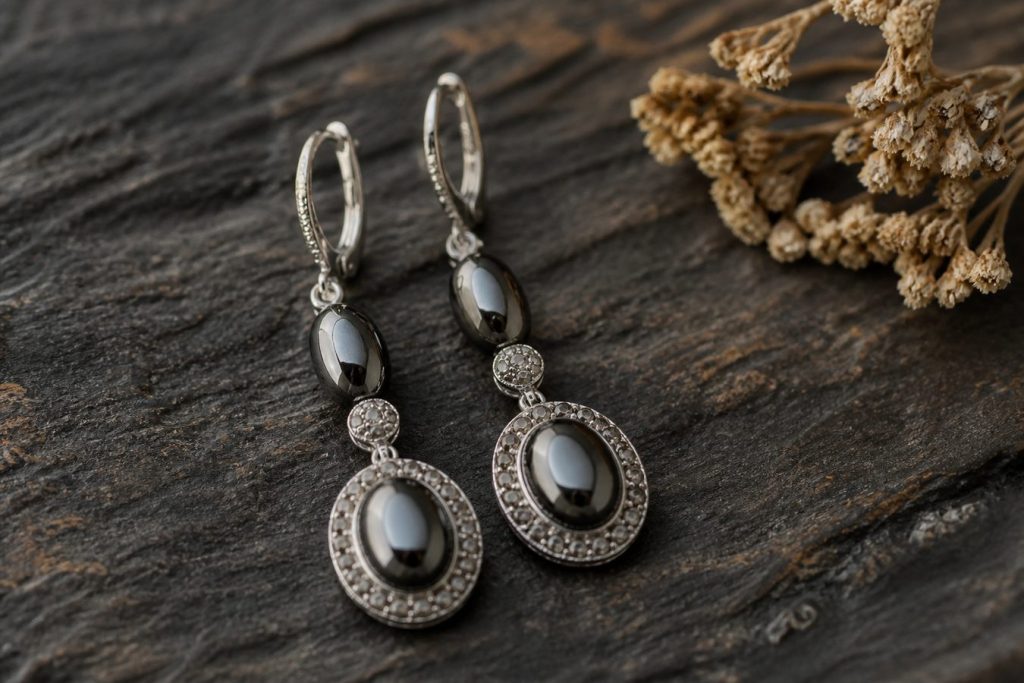
The hematite Mohs scale rating falls between 5.5 and 6.5, which places this iron oxide mineral in the mid-range for jewelry stones. That number tells you a lot about how the stone behaves in daily wear, how it should be stored, and why it polishes to that signature metallic sheen. We’ve been setting natural stones at SilverRush Style since 2005, and hematite comes up in questions almost every week.
Below, we break down what the hardness rating actually measures, how hematite compares to other stones in your box, and the care habits that keep it looking sharp. No fluff, just the mineralogy and the practical takeaways.
What the Mohs Scale Measures for Hematite
The Mohs scale ranks minerals from 1 (talc) to 10 (diamond) based on scratch resistance. A stone at 5.5–6.5 can be scratched by quartz (7), topaz (8), and anything harder, but it resists scratches from a steel knife (around 5.5) and softer household materials. Hematite sits right at that threshold, which is why polished cabochons hold their shine but can dull if tossed loose in a drawer with harder gems.
Hardness is not the same as toughness. Hematite is moderately hard but brittle, meaning a sharp knock against a hard surface can chip or fracture it even though the surface resists scratching. Gem references, including the Mindat mineral database, list hematite hardness at 5 to 6.5 depending on crystal form, with massive and specular varieties trending toward the higher end.
The chemical formula is Fe2O3, iron(III) oxide, and the specific gravity runs about 5.26. That weight is why a hematite bead feels noticeably heavier than a glass or plastic lookalike of the same size, a quick field test any buyer can use.
How Hematite Compares to Other Jewelry Stones
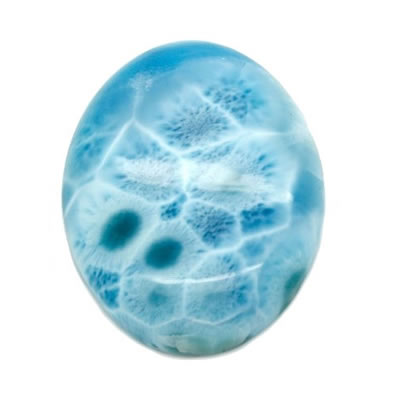
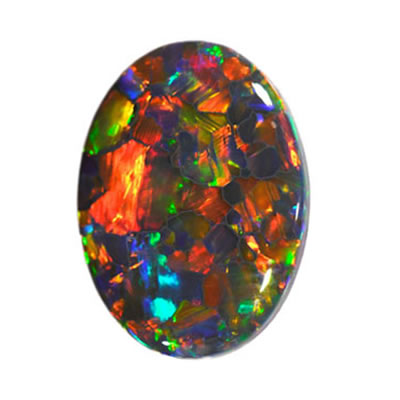
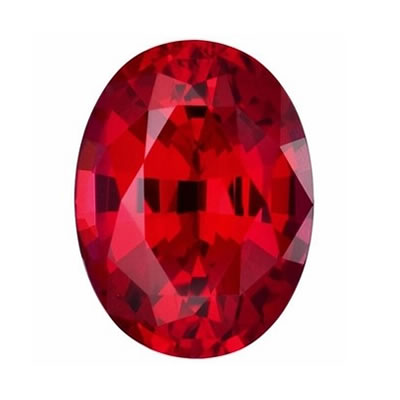
Placing hematite next to common gems clarifies where it fits. Diamond sits at 10, sapphire and ruby at 9, topaz at 8, and quartz varieties like amethyst and citrine at 7. Opal ranges from 5.5 to 6.5, turquoise from 5 to 6, and pearl from 2.5 to 4.5. Hematite lands in the same durability neighborhood as opal and moonstone.
What this means in practice: hematite is well suited for earrings, pendants, and occasional-wear rings, where it avoids the daily abrasion a wedding band endures. If you wear a hematite ring while gardening or doing hands-on work, expect wear over time. Our hematite jewelry collection includes bezel and channel settings that shield the stone edges, which is the smart choice for a mid-hardness material.
Hematite also carries a bright red to reddish-brown streak, a diagnostic feature that helps distinguish natural stone from magnetic imitations sold as “magnetic hematite” or “hematine,” which are synthetic ferrite composites. Natural hematite is only weakly magnetic at best.
Where Hematite Comes From and Why It Matters
Major hematite deposits sit in Brazil (Minas Gerais), Australia (Pilbara region of Western Australia), Venezuela, Canada, and the Lake Superior region of the United States. These are the same iron ore districts that supply industrial iron, and gem-grade specular hematite often comes as a byproduct of that mining. Morocco and the UK (Cumbria) have historically produced the kidney-ore variety prized for carving.
Origin affects appearance. Brazilian specular hematite shows a bright silvery-gray metallic luster, while Moroccan material often has a warmer, darker tone. Cabochons cut from massive hematite polish to a mirror finish that reflects light almost like polished steel, which is the look most buyers recognize.
The name comes from the Greek haima, meaning blood, a reference to the red streak and the red pigment ground hematite has produced since antiquity. Cave paintings in Lascaux used hematite-based red ochre roughly 17,000 years ago, one of the earliest documented uses of a mineral for decoration.
Caring for Hematite in Sterling Silver Settings
With a 5.5–6.5 hardness and brittle nature, hematite asks for a few sensible habits. Store each piece in its own soft pouch or a lined compartment so harder stones like quartz, topaz, or sapphire cannot scratch the polished surface. Avoid dropping hematite on tile or stone, since the brittleness can cause chips at the girdle or edges of a cabochon.
Clean with warm water, mild soap, and a soft cloth. Skip ultrasonic and steam cleaners, which can loosen settings and stress fracture-prone stones. Keep hematite away from bleach, chlorine pools, and hot tubs, because chlorides can etch iron-based minerals over time and tarnish the silver mounting alongside it.
Sterling silver itself tarnishes with air and skin oils, so wipe your piece with a silver polishing cloth after wear. Our sterling silver jewelry is stamped 925, meaning 92.5% pure silver alloyed with copper for strength, and it responds well to routine cloth polishing without chemical dips that could reach the stone.
The Short Answer
Hematite rates 5.5 to 6.5 on the Mohs scale, sits at a specific gravity near 5.26, and carries the chemical formula Fe2O3. It resists scratches from softer materials, takes a mirror polish, and needs gentle handling to avoid chips. Treat it like you would opal or turquoise, and it will hold its metallic shine for years.
If you’re weighing hematite against another stone for a specific setting, send us a note. We’re happy to talk through what wears well for your lifestyle before you commit to a piece.