
 Shop now, pay later
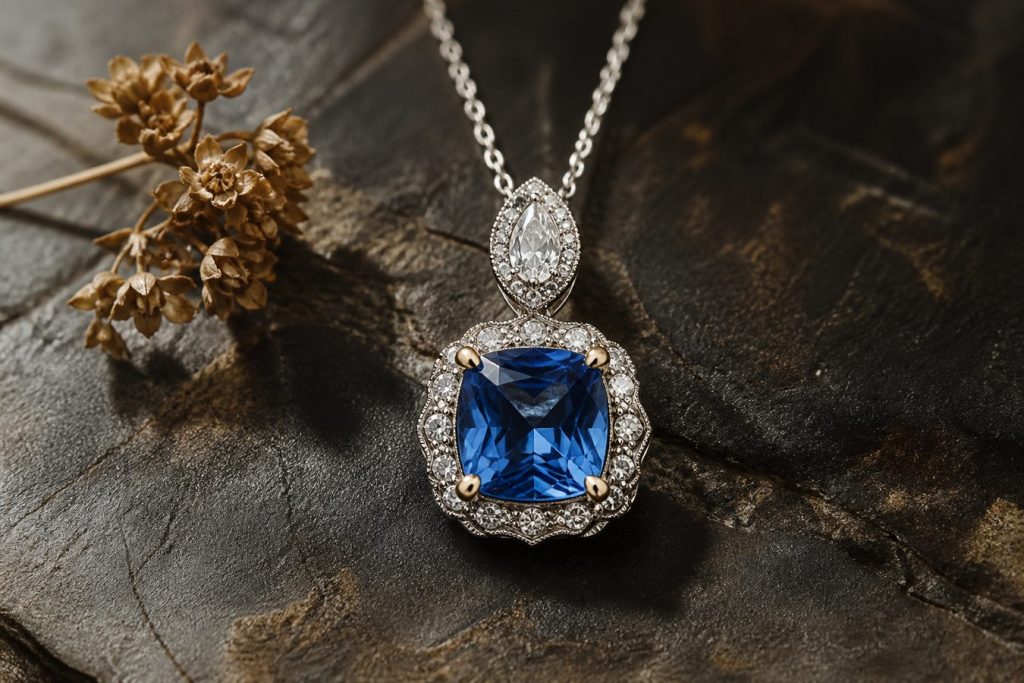
Shopping for a real necklace for women means two things at once: real metal and real stones. At SilverRush Style, we have sold sterling silver jewelry set with natural gemstones since 2005, so the questions we hear most often are about hallmarks, stone origins, and how to tell plated pieces from the genuine article.
This guide walks through the three checks that matter: metal purity, stone authenticity, and construction. Use it before you buy any pendant, chain, or layering piece, whether from us or elsewhere.
What “Real” Means in Sterling Silver
Sterling silver is 92.5% pure silver alloyed with 7.5% copper or another metal for strength. US law requires a .925 or sterling stamp on genuine pieces, usually tucked near the clasp or on the pendant bail. If a chain lacks that mark, assume it is silver-plated base metal.
Silver-plated jewelry carries a thin surface layer, often only 0.5 to 2.5 microns thick. It wears through within months of regular wear, exposing the brass or nickel underneath. A solid sterling necklace, by contrast, can last decades with basic care and occasional polishing.
Nickel allergies affect roughly 10 to 20% of women in the US, according to the American Academy of Dermatology. Sterling silver uses copper as the primary alloy, which is why most of our customers with sensitive skin wear it without irritation. Always check the alloy disclosure before buying.
Natural Stones vs. Lab-Created vs. Imitation
A real necklace for women often features a natural gemstone, meaning the crystal formed in the earth rather than in a reactor. Natural stones carry inclusions, color variation, and sometimes small surface marks. Those traits are evidence of origin, not flaws.
Common natural stones we set in sterling silver include:
- Amethyst (Mohs 7), a purple quartz mined in Brazil, Uruguay, and Zambia
- Turquoise (Mohs 5 to 6), a hydrated copper aluminum phosphate from Arizona, Nevada, and Iran
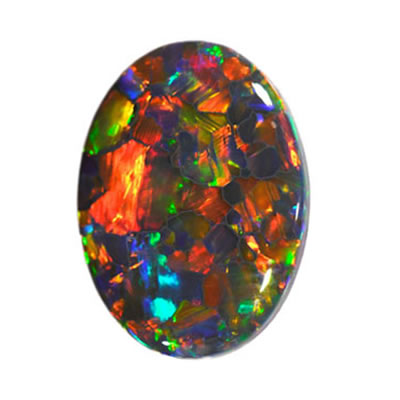
- Opal (Mohs 5.5 to 6.5), hydrated silica from Australia and Ethiopia
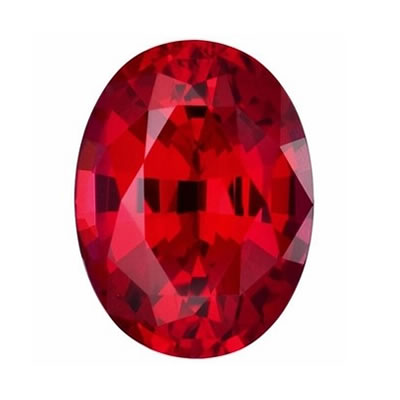
- Garnet (Mohs 6.5 to 7.5), a silicate group found in India, Madagascar, and Mozambique
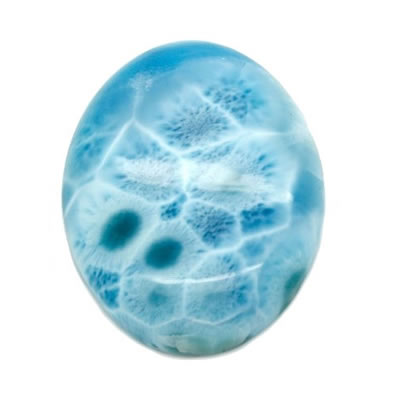
- Larimar (Mohs 4.5 to 5), a blue pectolite found only in the Dominican Republic
Lab-created stones share the chemical composition of their natural counterparts but grow in weeks instead of millions of years. They are real materials, just not natural. Imitation stones, such as glass or cubic zirconia standing in for diamond, are a different category and should be labeled as such.
Mohs hardness matters because it tells you where a stone can go. Anything below 6 scratches with household dust, which contains quartz at hardness 7. A larimar pendant worn daily under a sweater is fine; a larimar ring takes a beating.
Chain Styles and What Holds Up
The chain carries the pendant and takes most of the wear. Chain weight is measured in millimeters of link width and total grams. A 1.5 mm box chain in sterling runs about 3 to 5 grams at 18 inches, which suits small pendants under 2 grams.
Popular chain constructions and their strengths:
Cable and Rolo
Simple oval or round links, easy to repair, strong for the weight. A good default for pendants.
Box and Snake
Smooth, slightly stiffer, hold a pendant centered. Snake chains kink if folded, so store them flat or hung.
Figaro and Curb
Flat, flexible, visible on their own without a pendant. Common in heavier layering pieces.
Rope
Twisted strands, high strength, more texture under light. A 2 mm rope chain can support pendants up to about 10 grams.
Check the clasp before you buy. Lobster clasps are more secure than spring rings for anything over 20 inches or heavier than 5 grams. Our heavier gemstone pendants ship with lobster clasps for that reason.
Length, Fit, and How to Buy
Necklace length is measured end to end including the clasp. Standard US sizing runs 16, 18, 20, 22, and 24 inches, with 18 inches sitting at the collarbone on most women. Chokers run 14 to 16 inches, matinee lengths 20 to 24, and opera lengths 28 to 36.
For layering, we recommend spacing each chain two inches apart: 16, 18, and 20, for example. Mix one plain chain, one with a small pendant, and one statement piece to avoid tangling and visual clutter. Smooth chains like snake and box slide across each other better than textured styles.
When your necklace arrives, look for the .925 stamp, check that stones sit flush in their bezel or prong settings, and tug gently on the clasp. If anything feels loose or the metal shows a yellow tint under the plating, send it back. A real necklace for women should look consistent in color across every link.
Browse our collection of sterling silver necklaces set with natural gemstones when you are ready. We list stone origin, Mohs hardness, and total metal weight on every product page, so you can match a piece to how you actually wear jewelry.