
 Shop now, pay later
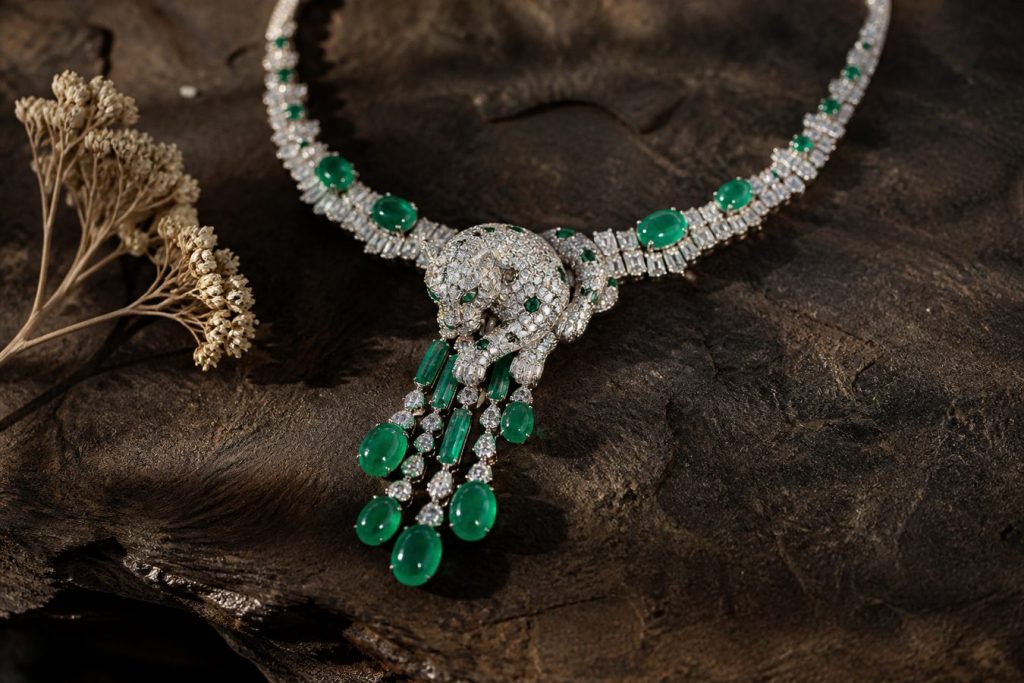
A best friend heart necklace works best when it survives daily wear, matches two different styles, and still reads as a pair across a room. This guide covers what to look for in metal, stone, and pendant format so your gift holds up past the unboxing moment. At SilverRush Style, we’ve been selling sterling silver jewelry with real natural stones since 2005, and these are the specs that actually matter.
Sterling silver is stamped 925, meaning 92.5% silver and 7.5% copper or other alloy metals. That blend keeps the piece soft enough to shape but firm enough to wear every day. Pure silver (999) scratches too easily for a necklace that gets layered, tugged, and slept in.
Split Heart vs. Matching Full-Heart Sets
The split heart pendant is the format most people picture: one heart cut into two halves, each friend wearing a side. It reads as a pair only when both wearers are together, which some people love and others find limiting. Look for clean cut edges and a jump ring attached to each half so neither side hangs awkwardly on its own.
Matching full-heart sets give each friend a complete pendant in the same design. These work better if you live in different cities or want a necklace that stands on its own. Common variants include two identical hearts, a heart-and-key pairing, or two hearts in different stones that share a color story.
A third option worth considering is a locket. Heart-shaped sterling lockets open to hold a photo or a tiny note, which gives the gift a second layer beyond the pendant itself. Check that the hinge is soldered rather than glued and that the clasp closes with a firm click.
Chain Length and Gauge
An 18-inch chain sits at the collarbone on most adults and works for layering. A 16-inch sits higher and suits smaller frames or crew-neck tops. Box, cable, and snake chains in 1.0 to 1.5 mm gauge hold a heart pendant without kinking.
Choosing a Stone That Lasts
If the heart holds a gemstone, hardness decides how it ages. The Mohs scale runs 1 to 10, and anything below 6 scratches from everyday contact with keys, zippers, and countertops. Here’s how common stones in friendship necklaces rank.
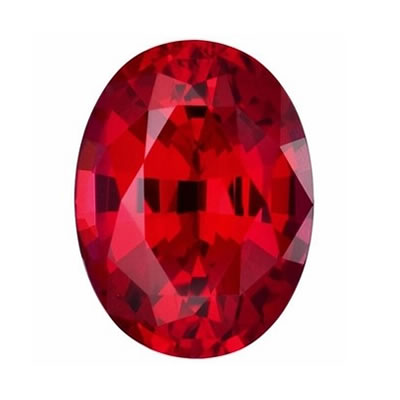
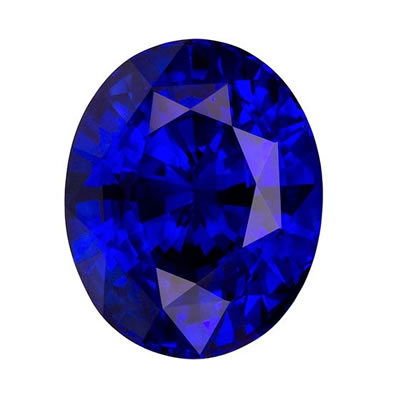
Sapphire and ruby both sit at Mohs 9, second only to diamond. Natural sapphires come from Sri Lanka, Madagascar, and Montana, with blue being the color most buyers associate with the stone. Rubies from Mozambique and Myanmar carry the deepest reds.
Topaz hits Mohs 8 and shows up in sky blue, London blue, and white. Most blue topaz on the market starts as colorless Brazilian stone and gets its color through irradiation, a standard trade practice. Amethyst and citrine, both quartz varieties, sit at Mohs 7 and handle daily wear fine.
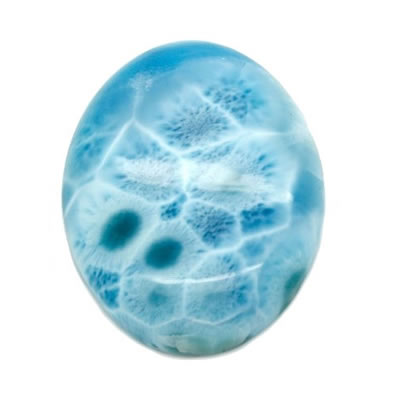
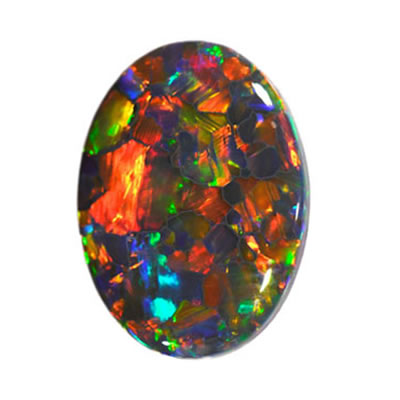
Opal ranks 5.5 to 6.5 and contains 3 to 21% water by weight, which makes it prone to cracking in dry climates. If your friend lives somewhere with winter heating, pick a harder stone. Turquoise at Mohs 5 to 6 and pearl at Mohs 2.5 to 4.5 are soft and need gentler handling.
Birthstone Pairings
Some pairs pick stones by birth month, which gives each necklace a different color while keeping the design matched. Garnet for January, amethyst for February, aquamarine for March, and so on through the calendar. Our sterling silver jewelry collection carries most birthstones in heart settings.
Another route is picking a shared stone that means something to the friendship: the color of the city where you met, a stone from a trip you took, or just a color you both wear. The symbolism matters more than the retail logic.
Care That Keeps the Pair Matching
Silver tarnishes when sulfur in the air reacts with the metal surface, forming silver sulfide. The reaction speeds up in humid rooms, near rubber, and against lotions with sulfur compounds. A polishing cloth with jeweler’s rouge removes light tarnish in a few passes.
Store each necklace in a sealed bag with an anti-tarnish strip when not worn. If one friend wears her necklace daily and the other keeps hers in a drawer, they’ll age at different rates and stop matching within a year. Agreeing on a storage habit keeps the pair looking like a pair.
Avoid wearing silver in chlorinated pools and hot tubs, which pit the surface. Shower water alone won’t ruin a piece, but soap residue dulls the shine faster than dry wear. A quick rinse and dry after swimming or sweating heavily protects both the metal and any set stones.
Sizing the Gift to the Friendship
Price ranges for a sterling silver heart necklace with a natural stone run from about $30 for simple cabochon settings to $150 or more for faceted sapphire or ruby pieces. Two matching necklaces at the middle of that range feel considered without crossing into territory that might make the recipient uncomfortable.
Include the care card and the stone origin note when you wrap it. Friends who know what they’re wearing tend to wear it more, and the context turns a nice object into a story the two of you share.
Browse our heart pendant collection when you’re ready to pick a pair, and reach out if you want help matching two stones from different birth months into a set that still reads as matched.