
 Shop now, pay later
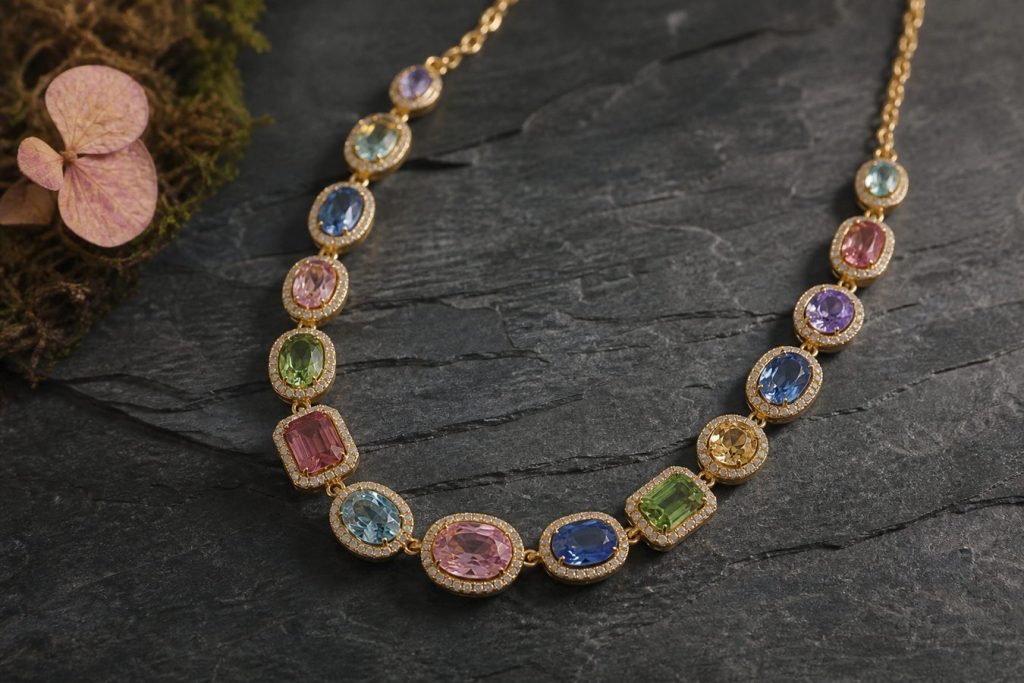
A real necklace carries proof of its materials in the metal stamp, the stone certificate, and the weight in your hand. Shoppers searching for a real necklace usually want two assurances: the metal is what the tag claims, and any gemstones are natural rather than glass or plastic. This guide walks through both, using the standards US jewelers have followed since the Federal Trade Commission updated its Jewelry Guides in 2018.
How to Verify the Metal Is Real
Sterling silver must contain at least 92.5% silver by weight, alloyed with 7.5% copper or similar metals for strength. Look inside the clasp or on a small tag for a 925 stamp, sometimes written as .925 or STERLING. European pieces may read 925, while older British chains carry a lion passant hallmark.
Gold uses a karat system where 24K is pure, 18K is 75% gold, 14K is 58.3%, and 10K is 41.7%. A real gold chain shows a karat mark such as 14K, 585, or 750. Gold-filled pieces must contain at least 1/20 gold by weight bonded over a base metal, and the FTC requires that ratio in the stamp (for example, 1/20 14K GF).
A quick home check: real sterling and gold are non-magnetic, so a strong neodymium magnet should not pull the chain. We publish the metal composition for every piece in our sterling silver jewelry catalog, including clasp and chain weights in grams.
Natural Stones vs. Simulants
A real gemstone necklace holds a mineral mined from the earth, not a dyed resin or glass imitation. Natural stones carry measurable properties: turquoise sits at 5 to 6 on the Mohs hardness scale, lapis lazuli at 5 to 5.5, amethyst at 7, and garnet between 6.5 and 7.5. Softer stones scratch more easily, which is why pendants protect them better than rings.
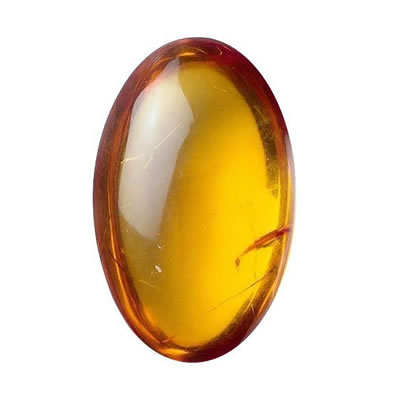
Origin matters for value and identification. Sleeping Beauty turquoise comes from a now-closed mine in Globe, Arizona, and shows an even sky-blue color without matrix. Lapis lazuli from Badakhshan Province in Afghanistan has been mined for over 6,000 years and shows pyrite flecks against deep ultramarine. Baltic amber, fossilized tree resin from 44 million years ago, floats in saltwater and smells faintly of pine when warmed.
Treatments are legal when disclosed. Most citrine on the market is heat-treated amethyst, and nearly all blue topaz is irradiated colorless topaz. The question to ask any seller: is the stone natural, lab-grown, or simulated, and has it been treated?
Quick Tests You Can Do
Natural stones feel cool to the touch and warm slowly, while plastic warms almost immediately. Real pearls feel slightly gritty when rubbed gently against a tooth; imitation pearls feel smooth as glass. Genuine amber develops static when rubbed on wool and lifts small bits of paper.
Chain Styles and What They’re Made Of
Chain construction tells you about durability as much as style. A rope chain twists multiple strands and resists kinking, which suits daily wear. Figaro alternates one long link with two or three short ones, a style popularized in Italy during the 1970s and still produced heavily in Vicenza.
Box chains hold pendants squarely because each link sits flush. Wheat chains braid four strands and rarely tangle, while paperclip chains use elongated oval links and have trended since 2019 for layering. Curb chains lay flat because the links are twisted and flattened after soldering.
Weight matters more than appearance. A 2mm sterling rope chain in 18 inches typically weighs 4 to 6 grams; anything much lighter may be hollow or plated. Our product pages list exact gram weight, link width, and clasp type so you can compare against other retailers before buying any piece from our sterling silver jewelry collection.
Caring for a Real Necklace So It Stays Real-Looking
Sterling silver tarnishes when sulfur in the air reacts with silver to form silver sulfide, the dark film you see on neglected chains. Storing pieces in anti-tarnish bags with a small strip of activated charcoal slows this reaction considerably. Polishing cloths treated with jeweler’s rouge remove light tarnish without abrasive damage.
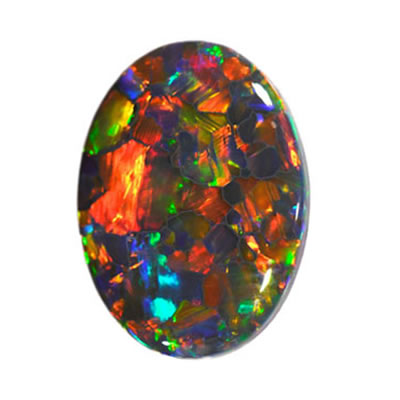
Avoid wearing silver in chlorinated pools or hot tubs; chlorine attacks the copper in the alloy and causes pitting. Perfume, hairspray, and lotion should go on before the necklace, not after. Natural stones each have their own rules: opals need humidity because they contain 3 to 21% water, turquoise can discolor from skin oils, and pearls should be wiped with a soft damp cloth after each wear.
Restring knotted pearl and bead necklaces every two to three years if worn weekly. Silk thread stretches and weakens from body oils, and a broken strand on a city sidewalk ends badly. Inspect clasps and jump rings every few months, since these small parts fail before the chain itself.
Buying With Confidence
A real necklace comes with documentation: metal stamps, stone disclosure, weight in grams, and a return policy that lets you have the piece evaluated independently. Reputable sellers answer specific questions about origin, treatment, and construction without deflecting. If a 14K gold rope chain is priced far below the current spot price times its gram weight, something is off.
We’ve been selling genuine sterling silver and natural stone pieces since 2005, and every item ships with its material details on the invoice. Browse the collection when you’re ready, or email us photos of a necklace you already own and we’ll help you read its hallmarks.