
 Shop now, pay later
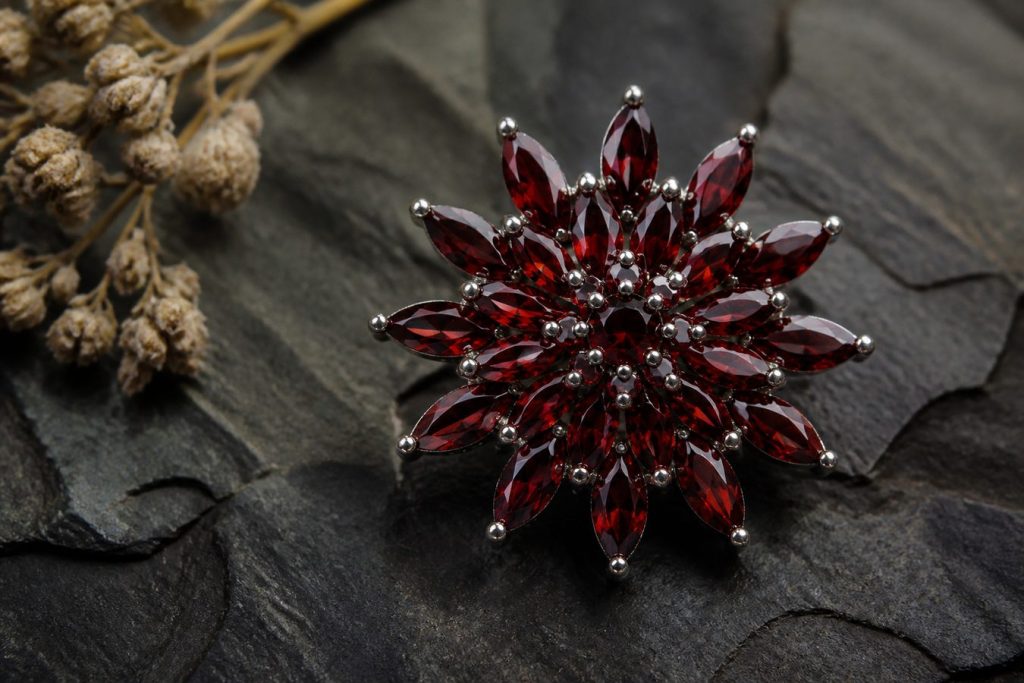
January birthstone jewelry centers on one gem: garnet, a deep red stone with a long history in European and Middle Eastern adornment. If you are shopping for someone born between January 1 and January 31, garnet is the traditional pick recognized by the American Gem Society and the Jewelers of America birthstone list. This guide covers what garnet actually is, how to judge quality, and how to choose a piece that will hold up to daily wear.
What Is the January Birthstone?
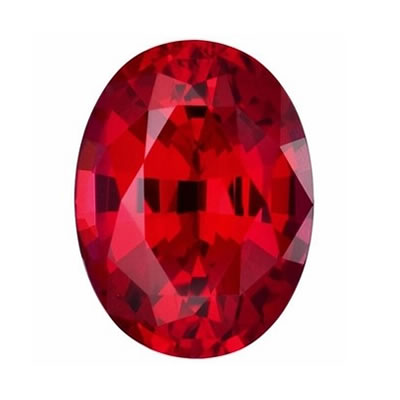
The January birthstone is garnet, a group of silicate minerals that share a common crystal structure but vary in chemistry and color. The most familiar type is almandine, an iron-aluminum silicate (Fe₃Al₂(SiO₄)₃) that produces the classic brownish-red color most shoppers picture. Pyrope garnet leans toward a purer red, while rhodolite blends almandine and pyrope for a raspberry tone.
Garnet sits at 6.5 to 7.5 on the Mohs hardness scale, which puts it below sapphire (9) and above opal (5.5 to 6.5). That range makes it durable enough for rings and bracelets, though it still deserves care around harder surfaces and household chemicals. Garnet has been mined since the Bronze Age, with notable deposits in India, Madagascar, Mozambique, Tanzania, Brazil, and the Czech Republic, where the historic Bohemian garnet trade began in the 16th century.
The name comes from the Latin granatum, meaning pomegranate, a reference to the seed-like crystals found in rough stone. Red garnet has symbolized protection and friendship across cultures, and it was often carried by travelers in medieval Europe as a talisman against injury on the road.
Choosing Garnet Sterling Silver Jewelry
Sterling silver is the standard setting metal for January birthstone jewelry because its cool gray-white finish deepens the warm red of garnet without competing with it. Look for the 925 stamp, which confirms the alloy is 92.5 percent silver and 7.5 percent other metals, usually copper. Our full catalog of sterling silver jewelry uses .925 silver with natural, untreated stones sourced from reputable cutters.
When evaluating a garnet piece, check three things: color saturation, clarity, and cut. A quality almandine or pyrope should show even color without dark zones that read as black under indoor light. Eye-clean clarity is realistic in garnet because the material commonly forms with few visible inclusions, unlike emerald or ruby.
Cut matters more than many buyers realize. A well-proportioned oval, cushion, or round cut returns light from the pavilion and keeps the stone looking lively rather than flat. Cabochon garnets, which are polished rather than faceted, work well in bohemian and vintage-style settings and tend to cost less per carat.
Matching the Piece to the Wearer
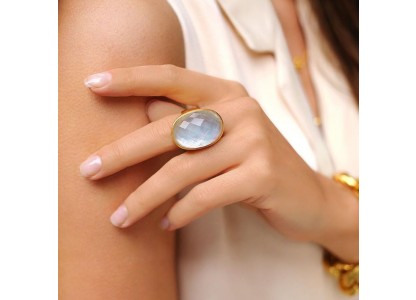
Rings get the most wear and the most impact, so a 6 to 8 mm center stone is a practical starting point for a daily piece. Pendants can go larger because they rarely take knocks, and a 10 mm oval reads clearly from across a room. Stud earrings in the 4 to 6 mm range suit office wear, while 8 mm drops work for evening.
January Birthstone Necklace Gift Ideas
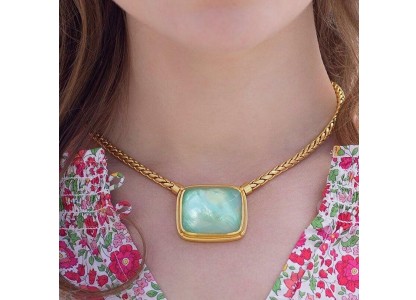
A January birthstone necklace gift works for birthdays, 2nd anniversaries (garnet is the traditional stone for year two), and holiday giving in late December. Pendants on an 18-inch chain sit just below the collarbone on most adults, which flatters crewnecks and open collars. For layering, pair a 16-inch choker-length garnet solitaire with a longer 20-inch chain in plain silver.
Garnet pairs well with other red and berry tones, so a recipient who already wears ruby, red spinel, or rhodolite will find a new piece easy to integrate. For a more unexpected combination, consider green peridot or malachite alongside red garnet, a contrast rooted in medieval European jewelry traditions. Browse options across pendants, rings, and bracelets in our sterling silver collection to compare settings side by side.
Gift presentation matters when the stone carries birth-month meaning. Include a short note explaining that garnet is the January birthstone and, if accurate, mention the variety (almandine, pyrope, or rhodolite) and country of origin. Recipients tend to value that specificity more than generic marketing language.
Care and Long-Term Wear
Clean garnet sterling silver jewelry with warm water, a drop of mild dish soap, and a soft toothbrush. Avoid ultrasonic cleaners if the stone has visible fractures, and skip steam cleaning entirely, since thermal shock can worsen existing inclusions. Dry the piece with a lint-free cloth and store it in a tarnish-resistant pouch separate from harder stones like topaz or sapphire.
Sterling silver will develop a patina over months of wear, which some owners prefer and others polish away. A silver polishing cloth removes light tarnish in a few minutes, while heavier oxidation responds to a dedicated silver dip used sparingly. Keep garnet jewelry away from chlorine pools, bleach, and perfume, which can etch the silver and dull the stone’s polish.
Have prongs checked once a year by a jeweler, especially on rings worn daily. Garnet is tough but not indestructible, and a loose prong is the most common reason stones go missing.
Final Thoughts
Garnet earns its place as the January birthstone through genuine durability, honest color, and a mining history that stretches back millennia. A well-chosen sterling silver garnet piece should last decades with basic care and look as current in 2030 as it does in 2026. If you are ready to shop, start with our garnet pendants and rings and reach out if you want help matching a stone shape to a specific setting.