
 Shop now, pay later
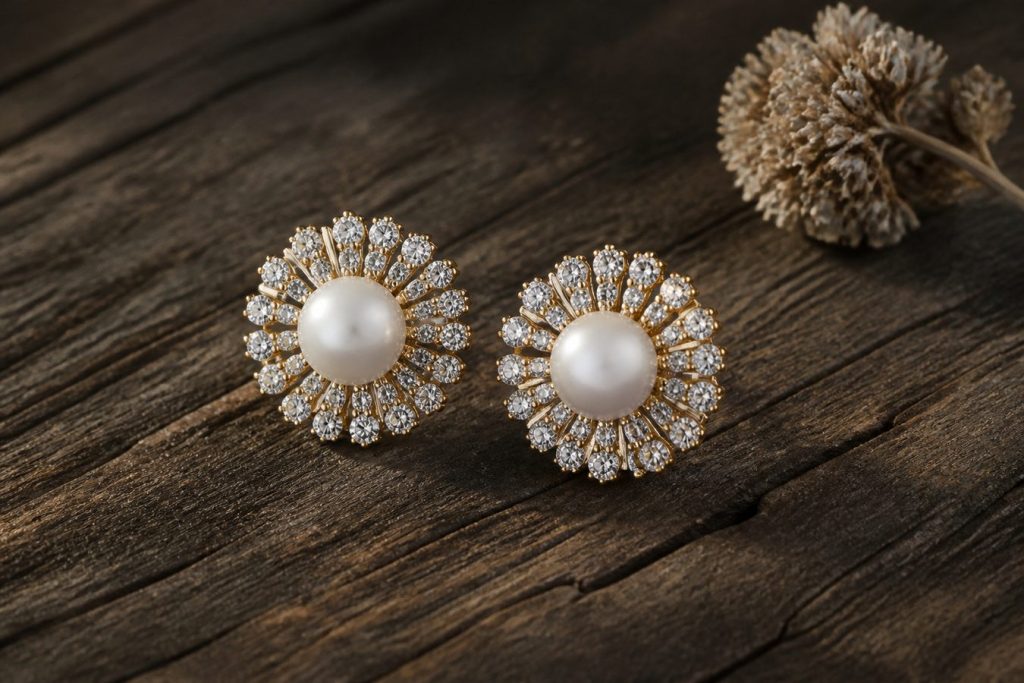
Is a pearl a mineral? The short answer is no. A pearl is an organic gem produced by a living mollusk, while a mineral by definition must be inorganic, naturally occurring, and have a defined crystalline structure.
Pearls do contain mineral compounds, which is where the confusion starts. They are built mostly of calcium carbonate in the form of aragonite, held together by an organic protein called conchiolin. That protein component is what disqualifies pearls from the mineral category.
What a Mineral Actually Is
Geologists use four criteria to classify something as a mineral: it must be naturally occurring, inorganic, solid, and have a specific chemical composition with an ordered atomic structure. Quartz, diamond, and corundum (the family that includes ruby and sapphire) all meet these rules.
Pearls fail on two counts. They are formed by a biological process inside oysters and freshwater mussels, which makes them organic. Their internal structure also lacks the single, uniform crystal lattice that defines a true mineral specimen.
For comparison, aragonite on its own is a recognized mineral with a Mohs hardness of 3.5 to 4 and an orthorhombic crystal system. Pearls borrow that chemistry but arrange it in concentric layers around an irritant, bound by protein, producing a different material entirely.
How Pearls Are Actually Formed
A pearl begins when a foreign particle enters a mollusk’s shell. The animal responds by secreting nacre, a composite of microscopic aragonite platelets and conchiolin, in layer after layer around the intruder. Over months or years, those layers build into a pearl.
Nacre is roughly 95% aragonite and 5% organic matter by weight, though the exact ratio varies by species and water conditions. The platelet structure is what creates the optical effect called orient, the soft rainbow sheen you see on fine pearl jewelry.
Saltwater pearls come from oysters in regions like the Persian Gulf, the waters off Japan (Akoya), French Polynesia (Tahitian), and northern Australia (South Sea). Freshwater pearls are farmed mainly in China, cultivated inside mussels in lakes and rivers.
Pearls vs. Mineral Gemstones
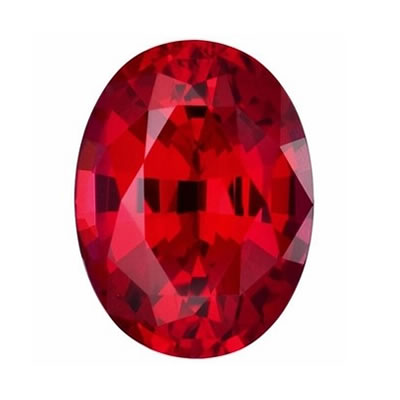
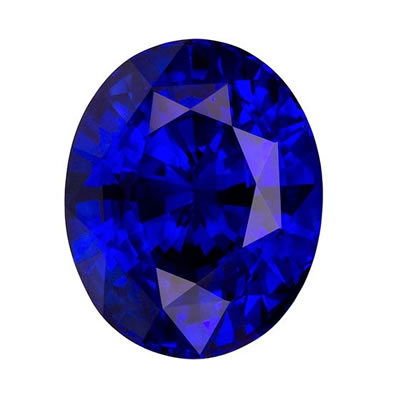
Mineral gemstones are cut from rough crystals mined from the earth. Diamond rates 10 on the Mohs scale, ruby and sapphire sit at 9, and topaz lands at 8. These stones hold up to daily wear and resist scratching from household dust, which contains quartz at hardness 7.
Pearls are much softer, measuring only 2.5 to 4.5 on the Mohs scale depending on nacre thickness and type. They can be scratched by a fingernail under enough pressure and are sensitive to acids, perfumes, and hairspray. This is why pearls need gentler care than stones set in sterling silver jewelry made with harder minerals like turquoise, onyx, or quartz.
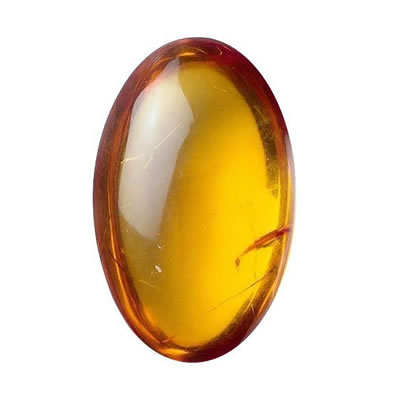
Pearls share their organic-gem status with amber (fossilized tree resin), jet (fossilized wood), and coral (built by marine polyps). All four are classified as gems by jewelers but excluded from the mineral kingdom by geologists.
Why the Classification Matters for Buyers
Knowing that pearls are organic affects how you store, clean, and wear them. Keep pearls separate from harder gemstones to prevent surface scratches, and store them in a soft pouch rather than a sealed plastic bag, since the nacre needs some humidity to stay stable.
Wipe pearls with a damp soft cloth after wearing them, especially if they’ve touched skin, sweat, or cosmetics. Avoid ultrasonic cleaners and steam, both of which can damage the nacre layers and loosen the protein binding.
Grading also works differently. Mineral gems are judged on the 4Cs (cut, color, clarity, carat), while pearls are evaluated on luster, surface quality, shape, color, size, and nacre thickness. A pearl with thick nacre and sharp luster will outlast and outshine a thin-nacre pearl of the same size.
If you’re building a pearl collection or looking for a first strand, our pearl necklace selection pairs cultured freshwater pearls with .925 sterling silver findings. Take a look when you’re ready to add an organic gem to your rotation.
Frequently Asked Questions
Is a pearl a rock or a mineral?
Neither. A pearl is an organic gem produced by a living mollusk. It contains the mineral aragonite, but the protein binder and biological origin place it outside both the rock and mineral categories.
What is a pearl made of?
A pearl is built from nacre, which is about 95% calcium carbonate (aragonite) and 5% conchiolin, an organic protein. These components form microscopic layers that give pearls their sheen.
Are pearls considered gemstones?
Yes. Pearls are classified as organic gemstones along with amber, jet, and coral. They are valued and sold as gems even though they do not meet the geological definition of a mineral.
How hard are pearls compared to other gems?
Pearls rate 2.5 to 4.5 on the Mohs hardness scale, much softer than quartz (7) or diamond (10). They scratch easily and should be stored and cleaned with extra care.