
 Shop now, pay later
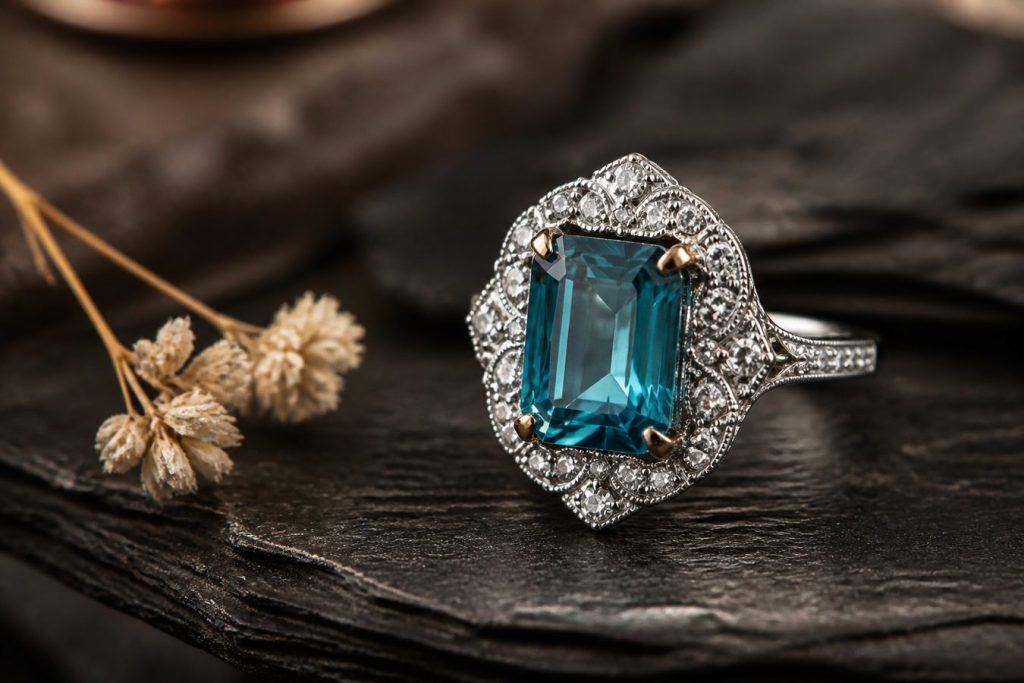
Natural stone necklaces put a piece of the earth against your skin, and no two stones read exactly the same. At SilverRush Style, we’ve been pairing genuine semi-precious stones with .925 sterling silver jewelry since 2005. This guide walks through the stones we use most, what makes them different, and how to choose a necklace that lasts.
What Counts as a Natural Stone Necklace
A natural stone necklace uses gemstones mined from the earth rather than lab-grown crystals or plastic imitations. The stones may be cabochon-cut, faceted, tumbled, or drilled as beads. Setting metal matters too: solid sterling silver (92.5% silver, 7.5% copper) resists tarnish better than silver-plated brass and won’t flake.
Semi-precious does not mean low quality. The term separates diamond, ruby, sapphire, and emerald from everything else, but many semi-precious stones outperform them in daily wear thanks to lower brittleness. Agate and jasper, for example, are cryptocrystalline quartz and shrug off knocks that would chip a softer stone.
Popular Stones and How They Behave
Each stone has a hardness rating on the Mohs scale (1 talc, 10 diamond) and a rough origin story worth knowing before you buy. The list below covers the stones we set most often in pendant necklaces and beaded strands.
Agate and Jasper
Agate is banded chalcedony with a Mohs hardness of 6.5 to 7. Major sources include Brazil, Uruguay, India, and Botswana, and the banding forms as silica-rich water fills volcanic gas pockets over thousands of years. Jasper shares the same silica base (SiO₂) but includes iron and clay impurities that produce the reds, yellows, and greens common in Oregon and Australian material.
Turquoise
Turquoise is a hydrated copper aluminum phosphate with a hardness of 5 to 6. The blue comes from copper; green tones indicate more iron. American turquoise mines in Arizona, Nevada, and New Mexico produce distinct color and matrix patterns, while stabilized turquoise has been resin-treated to harden porous stones for setting.
Amber, Amethyst, and Lapis
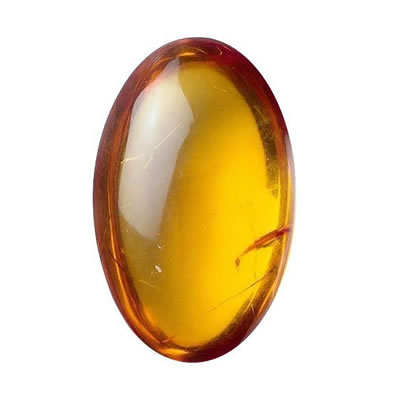
Baltic amber is fossilized tree resin roughly 44 million years old, primarily harvested along the Polish, Lithuanian, and Kaliningrad coasts. Amethyst is purple quartz (Mohs 7) colored by trace iron and gamma radiation, with strong deposits in Brazil and Zambia. Lapis lazuli, mined in Afghanistan’s Sar-e-Sang region for more than 6,000 years, gets its blue from the mineral lazurite.
How to Choose the Right Necklace
Start with length. A 16-inch chain sits at the collarbone, 18 inches falls just below, 20 to 24 inches lands mid-chest, and 30-plus inches gives you rope length for layering. Pendant weight matters too: a heavy druzy or geode slice pulls a fine chain forward, so pair it with a cable or curb chain of at least 2mm.
Match stone to lifestyle. If you shower, garden, or work with your hands in jewelry, avoid stones softer than 6 on the Mohs scale for daily wear, since dust (which contains quartz at hardness 7) will scratch them. Opal, malachite, and pearl belong to your evening drawer rather than your everyday rotation. Our sterling silver settings hold up to daily wear and can be polished back to a bright finish with a soft cloth.
Skin tone plays a role in what reads best. Warm undertones tend to flatter carnelian, amber, tiger’s eye, and yellow jasper, while cool undertones pair well with amethyst, lapis, moonstone, and blue topaz. Neutral undertones work with almost anything, which is why smoky quartz and labradorite are safe gift choices.
Care, Cleaning, and What to Avoid
Natural stones react to chemicals, heat, and impact in ways that plated costume pieces do not. A few habits will keep a necklace looking right for decades.
Remove necklaces before swimming, showering, or applying lotion, perfume, or sunscreen. Chlorine attacks sterling silver over time, and porous stones such as turquoise, lapis, and howlite absorb oils that darken the color. Store each piece in its own soft pouch or a lined box so beads don’t scratch each other, and keep an anti-tarnish strip in the drawer to slow oxidation.
Clean stones with a soft, damp cloth and dry immediately. Skip ultrasonic cleaners on layered or dyed stones (agate slices, treated turquoise, amber) because vibration can crack fracture-filled material. For sterling silver chains and settings, a polishing cloth handles routine tarnish; save silver dip for heavier work and rinse thoroughly.
Buying Real Stones with Confidence
Ask three questions before you buy. What is the stone, and is it natural, stabilized, or reconstituted? What metal is the setting, and is it stamped .925? What is the origin, when disclosed? Honest answers point to a seller who knows the inventory.
Our natural stone necklaces are set in solid sterling silver and described with the specific stone name so you know what you’re getting. Browse the collection when you’re ready, or reach out with questions about a particular piece and we’ll walk you through the details.