
 Shop now, pay later
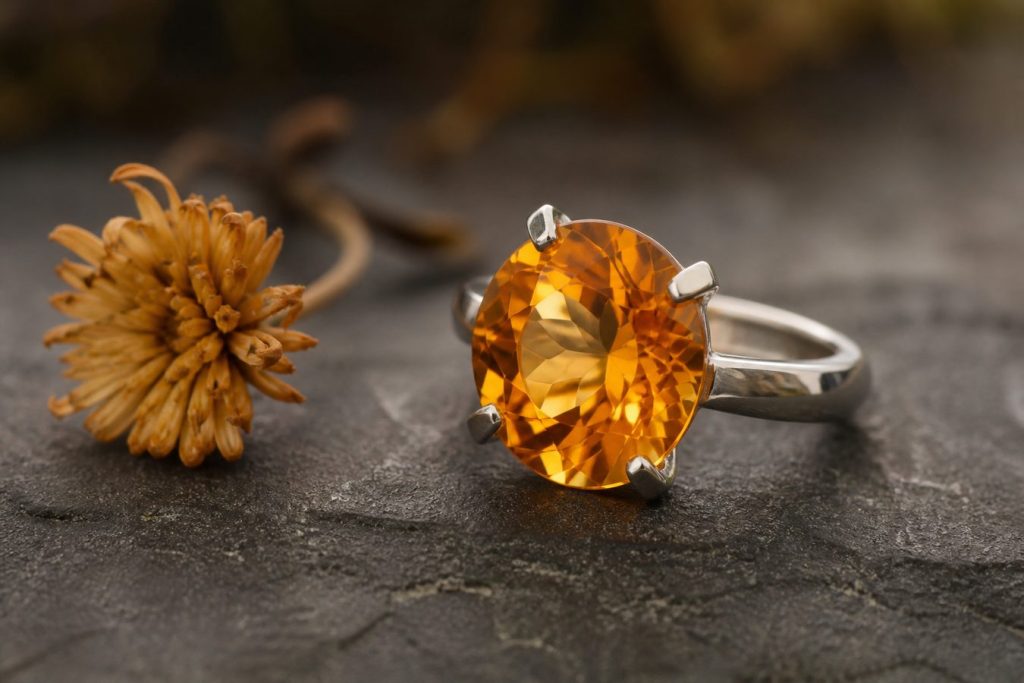
Natural gemstone rings pull their color from the ground, not a lab beaker, and that origin story shapes everything from price to daily wearability. At SilverRush Style, we’ve been setting real stones into sterling silver jewelry since 2005, and the questions we hear most often come down to three things: is the stone real, will it hold up, and how do I care for it? This guide answers each one with specifics you can verify.
Sterling silver, by definition, is 92.5% silver alloyed with 7.5% copper or other metals. That alloy gives the ring enough structural strength to hold a bezel or prong setting without bending during normal wear. Pair it with a natural stone rated at least 6 on the Mohs scale and you have a ring built for real life, not just a display case.
How to Tell a Natural Gemstone from a Lab or Imitation
Natural stones form over millions of years and carry inclusions, color zoning, and small imperfections that synthetic crystals rarely show. A loupe at 10x magnification often reveals silk in sapphire, garden inclusions in emerald, or two-phase bubbles in quartz. Perfectly clean, uniformly colored stones under $50 per carat are usually lab-grown or glass.
Common natural stones we set
Amethyst is a purple variety of quartz (SiO₂), Mohs 7, mined heavily in Brazil, Uruguay, and Zambia. Its color comes from trace iron and natural irradiation inside the earth. Heat above 400°C can shift amethyst toward yellow citrine, so keep it away from steam cleaners.
Turquoise is a hydrated copper aluminum phosphate, Mohs 5 to 6, with historic deposits in Arizona, Nevada, and Iran. Because it’s porous, natural turquoise absorbs oils and can darken over years of wear. Stabilized turquoise has been infused with resin to lock in color, which most reputable sellers disclose.
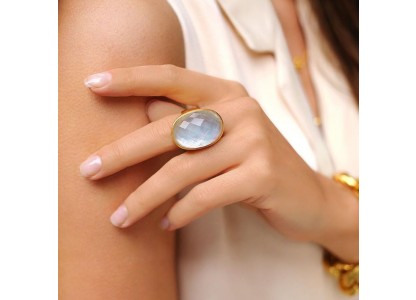
Moonstone belongs to the feldspar group and shows adularescence, the floating blue or white glow caused by light scattering between microscopic mineral layers. It rates 6 to 6.5 on Mohs, so a bezel setting protects it better than exposed prongs. Sri Lanka and India produce most of the market’s fine material.
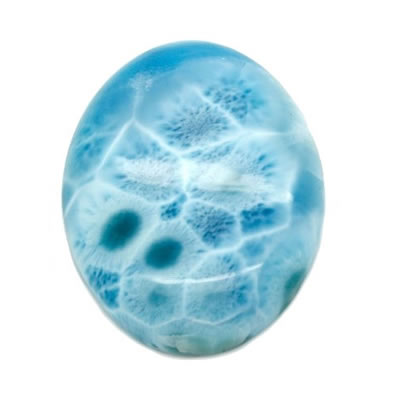
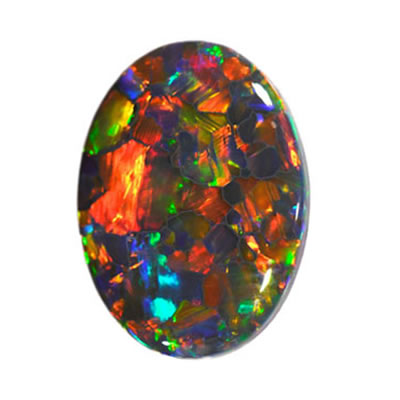
Rose quartz, garnet, opal, labradorite, and lapis lazuli round out the everyday palette. Opal in particular needs care: it contains 3 to 21% water and can craquelure if stored in dry heat.
Matching the Stone to How You Actually Live
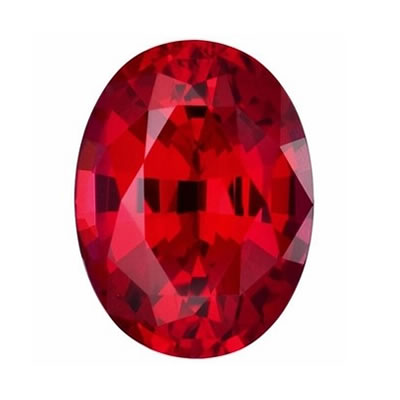
The Mohs scale measures scratch resistance, not toughness, but it’s still the fastest filter for daily-wear rings. Anything below 6 will show wear on the table facets within a year if you type at a keyboard, wash dishes, or garden without removing it. Sapphire (9), ruby (9), topaz (8), and quartz varieties (7) survive routine handling best.
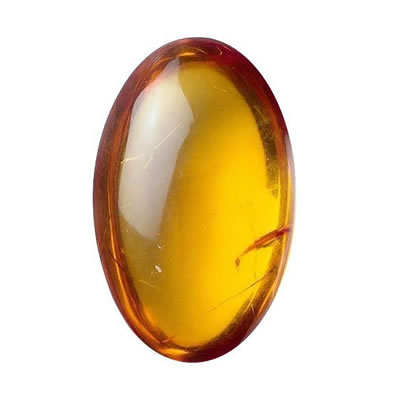
Softer stones like malachite (3.5 to 4), pearl (2.5 to 4.5), and amber (2 to 2.5) belong in cocktail rings you slip on for dinner and take off before bed. A bezel or halo setting adds a physical barrier around the girdle, which matters more for opal and moonstone than for quartz. If you work with your hands, a low-profile flush setting reduces snag risk on prongs.
Ring size also affects stone security. Silver stretches over years of wear, and a loose shank puts stress on the setting each time you take the ring on and off. Have your finger measured at room temperature, mid-afternoon, when it’s neither swollen nor cold.
What to Ask Before You Buy
Any seller of genuine gemstone rings should be able to tell you the stone’s origin country, whether it’s been treated, and the exact metal composition of the band. “925” or “sterling” stamped inside the shank confirms the silver standard set by the FTC and international hallmark conventions. If a listing calls a stone “genuine” but won’t specify treatment, assume it’s been enhanced.
Common accepted treatments include heat (sapphire, ruby, tanzanite), oiling (emerald), and irradiation followed by heat (blue topaz). These are standard trade practices and don’t make a stone fake, but they do affect long-term care and resale value. Untreated stones cost more and should come with lab documentation from GIA, AGL, or a comparable independent lab.
Price benchmarks help too. A one-carat natural amethyst in a silver ring typically runs $40 to $120 depending on color saturation and cut quality. A one-carat natural blue sapphire in silver, even in commercial grade, rarely dips below $150. Prices dramatically under those ranges usually signal synthetic material or misrepresented origin. Our sterling silver jewelry collection lists stone treatment and origin on each product page so you can compare before checkout.
Care That Keeps a Silver Gemstone Ring Wearable for Decades
Silver tarnishes when sulfur compounds in air, sweat, and household products react with the metal surface. A soft polishing cloth removes light tarnish in under a minute; a paste of baking soda and water handles heavier oxidation on plain silver areas. Skip ultrasonic cleaners for opal, turquoise, emerald, pearl, and any stone with visible fractures.
Store each ring separately in a lined box or an anti-tarnish pouch. Contact between silver pieces causes scratches, and harder stones will chip softer ones stored loose in the same drawer. A silica packet in the box slows tarnish; a piece of chalk works too.
Remove rings before applying lotion, sunscreen, or perfume, and before swimming in chlorinated or salt water. Chlorine attacks the copper in sterling silver and can pit the surface within a few exposures. A quick rinse under cool water after a day of wear extends the polish between deeper cleanings.
If you’re ready to look, browse our natural gemstone rings by stone type, setting style, or size, and reach out with any questions about origin or treatment before you order.