
 Shop now, pay later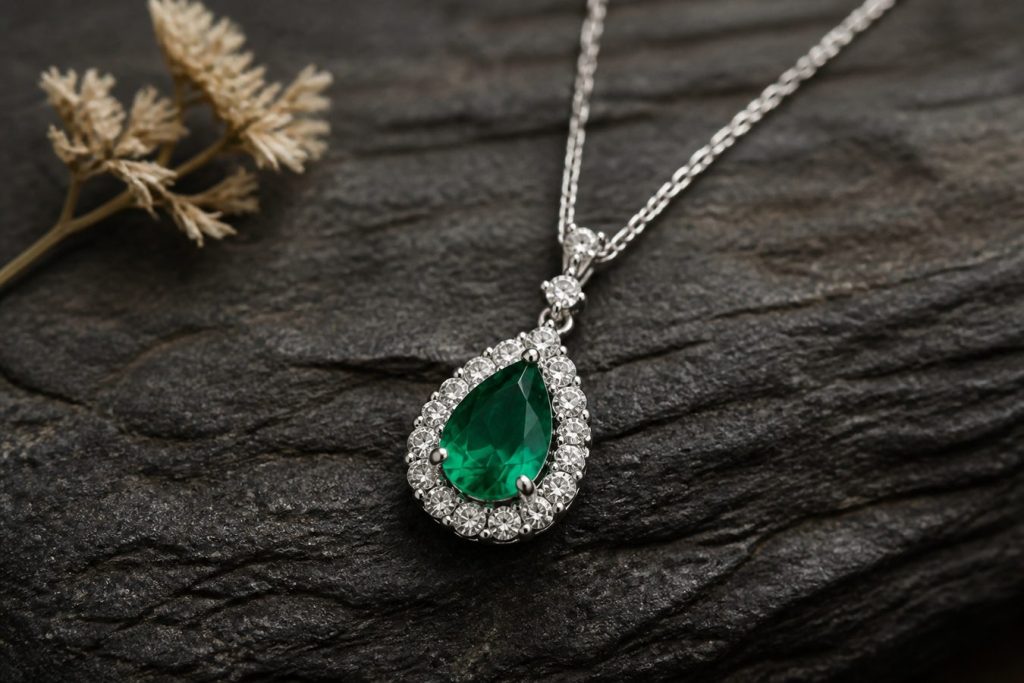
Birthstones by zodiac pair each of the twelve astrological signs with a gemstone tied to that sign’s traditional meaning, ruling planet, or elemental association. The system predates modern birth-month charts by centuries and traces back to the twelve stones on the breastplate of Aaron described in Exodus, later mapped to the zodiac by Josephus around 1st century CE. Below is a working guide for shoppers who want a stone matched to a sign rather than a calendar month.
At SilverRush Style, we’ve set natural gemstones in sterling silver jewelry since 2005, so the notes here reflect stones we actually source and work with. Every hardness figure references the Mohs scale, and origins reflect the main commercial sources active today.
Zodiac Birthstone Chart: Aries Through Virgo
Aries (Mar 21 – Apr 19): Diamond. Pure carbon crystallized in the cubic system, Mohs 10. Most gem-quality rough comes from Russia, Botswana, Canada, and Australia. Aries wearers tend to favor bright, high-refraction stones, and diamond suits that preference.
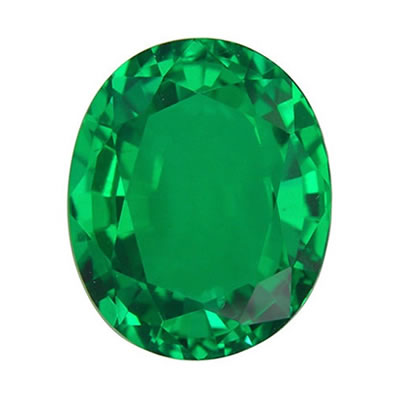
Taurus (Apr 20 – May 20): Emerald. A beryllium aluminum silicate colored by chromium or vanadium, Mohs 7.5–8. Colombia’s Muzo and Chivor mines produce the reference-quality material, with additional supply from Zambia and Brazil.
Gemini (May 21 – Jun 20): Pearl. Organic in origin, formed from calcium carbonate and conchiolin inside mollusks, Mohs 2.5–4.5. Cultured freshwater pearls come mainly from China; saltwater Akoya from Japan.
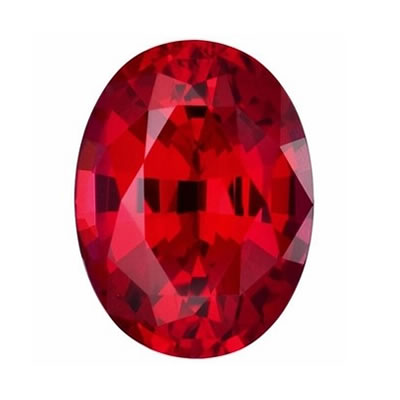
Cancer (Jun 21 – Jul 22): Ruby. Corundum (aluminum oxide) colored red by chromium, Mohs 9. Historic Burmese material from Mogok remains the benchmark, with active production from Mozambique and Thailand.
Leo (Jul 23 – Aug 22): Peridot. Gem-quality olivine, magnesium iron silicate, Mohs 6.5–7. Egypt’s Zabargad Island supplied ancient sources; today the San Carlos Reservation in Arizona and Pakistan’s Sapat Valley are primary origins.
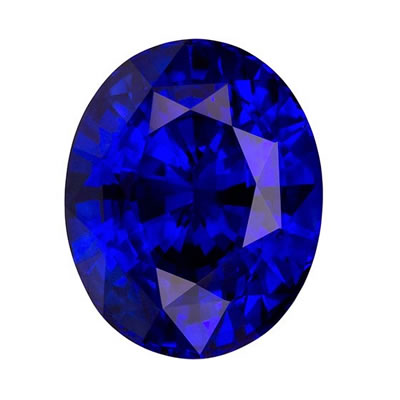
Virgo (Aug 23 – Sep 22): Sapphire. Corundum in every color except red, Mohs 9. Kashmir, Sri Lanka, Madagascar, and Montana all produce commercial sapphire. Blue is standard for Virgo, though yellow and violet also carry the association.
Zodiac Birthstone Chart: Libra Through Pisces
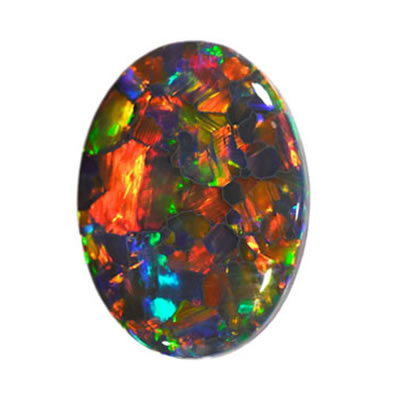
Libra (Sep 23 – Oct 22): Opal. Hydrated silica containing 3–21% water, Mohs 5.5–6.5. Australia produces roughly 95% of the world’s precious opal, with Ethiopian Welo material entering the market strongly after 2008.
Scorpio (Oct 23 – Nov 21): Topaz. Aluminum silicate fluoride hydroxide, Mohs 8. Imperial topaz from Ouro Preto, Brazil, is the classic Scorpio stone, though blue topaz from Texas and Nigeria is more common in retail settings.
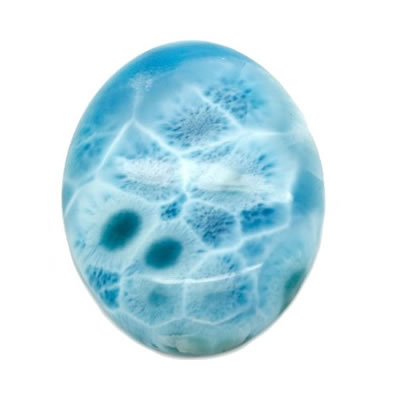
Sagittarius (Nov 22 – Dec 21): Turquoise. A hydrated phosphate of copper and aluminum, Mohs 5–6. Iran’s Nishapur region produced the historic reference material; the American Southwest, particularly Arizona and Nevada, supplies most current market stock.
Capricorn (Dec 22 – Jan 19): Garnet. A silicate group with several species — almandine, pyrope, spessartine, grossular, andradite — Mohs 6.5–7.5. Mozambique, Tanzania, and India supply most commercial rough.
Aquarius (Jan 20 – Feb 18): Amethyst. Quartz colored purple by iron and natural irradiation, Mohs 7. Brazil’s Rio Grande do Sul is the volume producer; Uruguay and Zambia yield the deeper saturated material.
Pisces (Feb 19 – Mar 20): Aquamarine. Beryllium aluminum silicate colored by iron, Mohs 7.5–8. Brazil’s Minas Gerais region and Pakistan’s Shigar Valley produce the cleanest gem material.
How Zodiac Birthstones Differ From Monthly Birthstones
Modern monthly birthstone lists were standardized by the American National Association of Jewelers in 1912 and updated periodically since. Zodiac birthstones predate that list and follow astrological boundaries rather than calendar months, so someone born on March 22 has Aries (diamond) as a zodiac stone but March (aquamarine) as a monthly stone.
Some sources list secondary or alternative stones per sign. Aquarius, for example, appears with garnet, amethyst, or bloodstone depending on the tradition consulted. When a client asks which is correct, both are — the zodiac list draws from older astrological sources, while the month list reflects 20th-century trade convention.
Our sterling silver settings pair well with both systems, since .925 silver is neutral against warm and cool gemstone tones and holds up to daily wear when maintained.
Choosing and Caring for a Zodiac Stone
Match the stone to the wear
Hardness matters for daily-wear rings. Diamond, sapphire, and ruby at Mohs 8–10 handle knocks well. Pearl, opal, and turquoise below Mohs 6 belong in earrings, pendants, and occasional-wear rings rather than everyday bands.
Cleaning basics by stone type
Warm soapy water and a soft brush work for corundum, beryl, quartz, garnet, topaz, and peridot. Pearls, opal, and turquoise need a damp cloth only, since porous or hydrated stones can craze, discolor, or lose water content when soaked or exposed to ultrasonic cleaners.
Storage
Store each piece separately in a soft pouch or a lined compartment. Harder stones scratch softer ones, and silver tarnishes faster when pieces sit in contact with each other in open air.
Browse our zodiac and birthstone collections when you’re ready to match a stone to a sign, or reach out with a specific date and we’ll suggest options from stock.