
 Shop now, pay later
The sterling silver meaning is straightforward: an alloy of 92.5% pure silver and 7.5% other metals, most often copper. That single ratio, stamped as 925 on the inside of a ring or the clasp of a chain, is the standard that jewelers and refiners have used for centuries. At SilverRush Style, every piece we’ve sold since 2005 meets that mark.
Pure silver on its own is too soft for daily wear. It bends under pressure and scratches against harder surfaces. Adding a small percentage of copper gives the metal enough strength to hold a prong, a hinge, or a hook without deforming, while keeping the bright white color silver is known for.
Where the Word “Sterling” Comes From
The term traces back to medieval England, where “sterling” referred to the English silver penny used from the 12th century onward. “Silver fit to be used in the making of sterlings” eventually shortened to sterling silver, and the phrase stuck as a shorthand for high-grade silver coin metal.
By 1300, England had set the legal standard at 92.5% silver content and introduced hallmarks to verify it. That system of assay marks spread across Europe and shaped the modern practice of stamping 925 on finished goods. The number is a decimal expression of the same ratio: 925 parts silver per 1,000.
The U.S. adopted the 92.5% benchmark through the National Stamping Act of 1906, which prohibits selling anything as “sterling” below that threshold. Countries with hallmarking traditions such as the UK, Ireland, and Portugal still require formal assay office testing before a piece can carry the mark.
Sterling Silver vs. Fine Silver vs. Coin Silver
Fine silver is 99.9% pure, stamped 999. It resists tarnish better than sterling because there’s almost no copper to react with sulfur in the air, but it dents easily and rarely holds stones securely. Most fine silver on the market shows up as bullion bars, wire for chain making, or bezel strips for stone setting.
Sterling at 92.5% strikes the working balance jewelers need. The 7.5% copper content raises the Vickers hardness enough for everyday rings and bracelets while still allowing detailed casting, filigree, and hand-set stonework across our sterling silver jewelry collection.
Coin silver, an older American standard, sits at 90% silver and 10% copper. It was common in flatware and antique jewelry before 1868 but is rarely produced today. If you find a piece marked “coin” or 900, it predates the modern sterling standard.
What About 925 Silver, Argentium, and Plated?
“925 silver” and “sterling silver” mean the same thing. The first is a numerical hallmark, the second a traditional name, and both point to the 92.5% silver alloy.
Argentium is a modern sterling variant that replaces some of the copper with germanium, giving it stronger tarnish resistance while keeping the 92.5% minimum silver content. Silver-plated items, by contrast, are base metals like brass or nickel with a thin layer of silver on top; they are not sterling and carry no 925 stamp.
How Sterling Behaves in Real Jewelry
Copper is what makes sterling tarnish. When silver contacts sulfur compounds in air, lotion, or perspiration, the surface develops silver sulfide, a dark film that can be polished off with a soft cloth. Tarnish is chemical, not damage, and it doesn’t reduce the silver content of the piece.
Sterling pairs well with natural stones because the alloy is workable enough for bezel and prong settings. Softer gems like turquoise (Mohs 5 to 6) and malachite (Mohs 3.5 to 4) benefit from the cushioning of a bezel, while harder stones such as garnet (Mohs 6.5 to 7.5) and topaz (Mohs 8) hold securely in prongs cast from sterling.
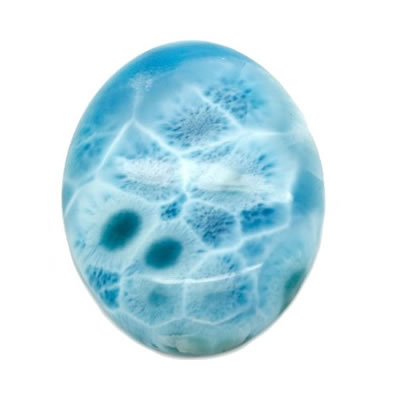
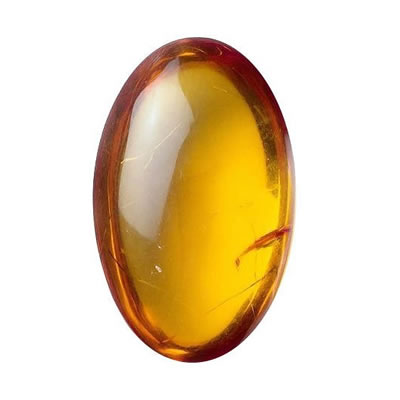
Origin matters for the stones we set. Larimar comes only from a single mining area in the Dominican Republic. Baltic amber is fossilized tree resin from the shores of the Baltic Sea, typically 30 to 50 million years old. Sleeping Beauty turquoise was mined in Globe, Arizona until the mine closed in 2012, which is why remaining stock is limited.
How to Read the Hallmark and Care for Your Piece
Look inside a ring band, on a pendant bail, or near a clasp for a small stamp. Common marks include 925, .925, STER, and STERLING. Any of these confirms the 92.5% standard under U.S. law.
To slow tarnish, store sterling in a closed pouch or a zip bag with an anti-tarnish tab, away from rubber bands, wool, and household chemicals that release sulfur. Wipe pieces with a dry microfiber or a treated silver cloth after wearing. For heavier oxidation, a warm bath with mild soap and a soft brush handles most build-up without harming set stones; browse care tips and pieces across our sterling silver jewelry catalog.
Avoid chlorinated pools, hot tubs, and undiluted cleaning products, all of which accelerate corrosion of the copper content. Remove rings before applying hand cream or hairspray, since residues dull the finish and settle around stone settings.
Sterling silver has held the same 92.5% definition for more than 700 years, which is why the mark still carries weight on a receipt, an insurance appraisal, or a hallmark stamp. If you’re shopping for a first piece or adding to a set, look for the 925 mark and note the stone’s origin before you buy.