
 Shop now, pay later
A birthstone necklace for mom turns a date on the calendar into a piece she can wear daily. The right stone, setting, and chain length matter more than marketing copy, so this guide covers what actually affects fit, durability, and price. We’ve been selling natural-stone sterling silver jewelry since 2005, and these are the questions customers ask most.
Match the Stone to How She Lives
Birthstones vary widely in hardness, which affects how they hold up to daily wear. The Mohs scale runs from 1 (talc) to 10 (diamond), and anything below 6 will show scratches faster on a pendant that bumps against zippers, seatbelts, and countertops.
Hard stones for everyday wear
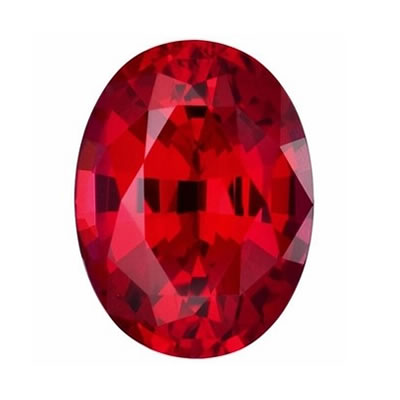
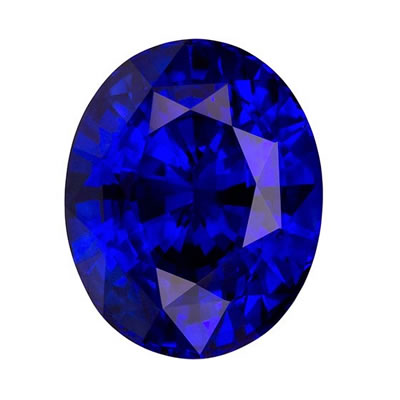
Sapphire (September) sits at Mohs 9, ruby (July) at 9, and topaz (November) at 8. These corundum and silicate gems resist abrasion well and suit moms who rarely take jewelry off. Garnet (January, Mohs 6.5–7.5) and amethyst (February, Mohs 7, a purple quartz) also wear reliably.
Softer stones that need care
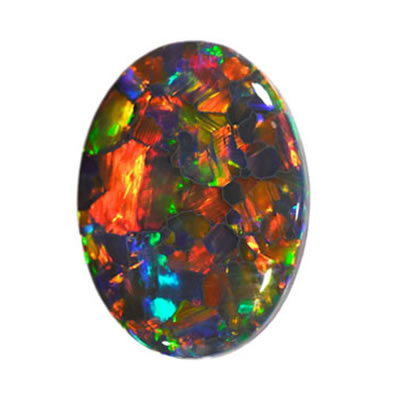
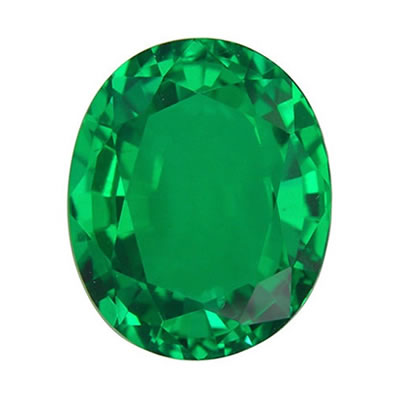
Opal (October) ranges from Mohs 5.5–6.5 and contains 6–10% water, so it can craquelure if exposed to dry heat. Pearl (June) sits at 2.5–4.5 and reacts to perfume and acids. Emerald (May, Mohs 7.5–8) is harder than it looks but often has internal fractures filled with cedar oil or resin, which means no ultrasonic cleaning.
The middle ground
Peridot (August, Mohs 6.5–7) comes mainly from Pakistan, Myanmar, and the San Carlos Apache Reservation in Arizona. Aquamarine (March, Mohs 7.5–8) is a beryl colored by iron, sourced largely from Brazil. Citrine (November alternate, Mohs 7) is a heat-treated quartz, typically from Brazilian amethyst geodes.
Settings That Hold Up Over Years
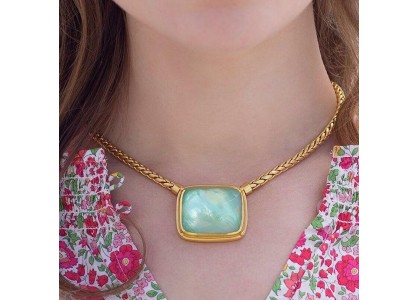
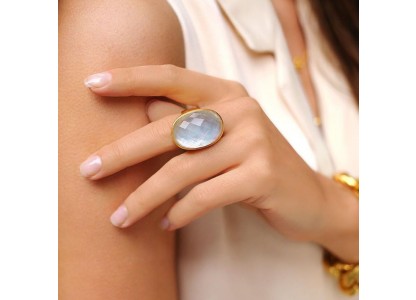
The setting decides whether a stone stays put through carpool, gardening, and grandkids. Bezel settings wrap a thin metal collar around the stone’s girdle, protecting the edges and snagging less on fabric. They suit softer stones like opal and pearl especially well.
Prong settings (typically four or six small claws) let more light into the stone, which makes faceted gems like sapphire and topaz brighter. The trade-off: prongs can catch on knit sweaters and bend over time, so check them annually. Halo settings ring the center stone with smaller accents and visually enlarge a modest gem without raising the price much.
For sterling silver pieces, look for .925 stamps inside the bail or on the chain clasp. That mark confirms 92.5% pure silver alloyed with 7.5% copper, the standard set by US law for items sold as sterling. Our sterling silver jewelry collection uses natural stones rather than synthetics or glass, which we note on each listing.
Chain Length, Pendant Size, and Family Stones
Chain length changes where the pendant lands and how the necklace reads with her usual neckline. A 16-inch chain sits at the collarbone, 18 inches falls just below it (the most common length for pendants), and 20 inches rests near the top of a bra line. For layering, pair an 18-inch with a 22- or 24-inch.
Sizing the pendant
A single birthstone pendant generally looks balanced at 6mm to 8mm round, or 6x4mm to 8x6mm oval. Multi-stone mom necklaces with three or more children’s birthstones work better with smaller stones (4mm to 5mm) so the cluster doesn’t overwhelm the chain.
Family-style designs
Mothers with several kids often prefer a bar pendant or a vertical drop with each stone bezel-set in birth order. This keeps the line clean and avoids the cluttered look of older charm-style “mom necklaces.” If she already wears a wedding band and one other necklace, match the metal tone to keep the stack cohesive.
Care, Budget, and What to Skip
Sterling silver tarnishes through a sulfur reaction with air and skin oils, forming silver sulfide on the surface. A polishing cloth with rouge removes it in under a minute, and storing the necklace in an anti-tarnish pouch slows the process. Skip silver dips on pieces with pearls, opals, or turquoise, since the chemicals attack porous stones.
Realistic budgets for a quality natural-stone sterling silver birthstone necklace run $40 to $150, depending on stone size and origin. Untreated rubies, fine sapphires, and Colombian emeralds push higher because the rough material itself costs more. Lab-created versions of the same stones cost less and have identical chemistry, though many moms prefer natural for sentimental reasons.
Two things worth skipping: “genuine” listings that don’t specify natural versus lab-grown, and pieces under $20 claiming real gemstones in sterling, which usually substitute glass or dyed quartz. Ask sellers for the stone’s origin and treatment disclosure before buying. Reputable shops list both as a matter of course.
A Quick Decision Path
If she wears jewelry around the clock, choose a Mohs 7+ stone in a bezel or sturdy prong setting on an 18-inch chain. If she prefers occasion pieces, opal, pearl, and emerald open up. For multi-child designs, keep stones at 4–5mm and arrange them in birth order on a bar or graduated drop.
Browse our .925 sterling silver collection to compare birthstones side by side, or reach out with her birth month and we’ll suggest a few options that fit your budget.